California Governor Gavin Newsom signed legislation imposing a 25% tax on private detention centers and closing a property tax loophole for charitable exemptions. The measures target federal immigration enforcement infrastructure, with financial analysts expecting a federal legal challenge.
Laura Berlin creates an interactive map charting ICE contractors and their funding networks, fueling nationwide protests that pressured Citizens Bank and other lenders to cut ties with GEO Group and CoreCivic and sparked local-government pushback; a secret DHS intelligence bulletin labels her site as a potential threat actor tool, highlighting tension between anti-ICE activism, free speech, and national security while Berlin vows to continue exposing corporate and political ties to ICE.
Citizens Bank announced it will end its financial relationship with private prison operators CoreCivic and GEO Group after a sustained public-pressure campaign, reflecting increased scrutiny of the private-prisons industry and a trend of banks reassessing investments in the sector.
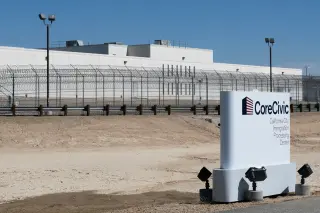
CoreCivic sold the Otay Mesa Detention Center in San Diego County and the California City Detention Facility in Kern County to the U.S. Department of Homeland Security for $1.5 billion, with CoreCivic continuing to operate under existing ICE contracts; the sale closed July 2 and is expected to yield about $1.1 billion in net proceeds after taxes, which could go toward debt reduction or stock buybacks. The deal advances a DHS plan to expand detention capacity outside of private-prison contractors, while local health-inspection disputes and lawsuits over permits continue at the facilities.
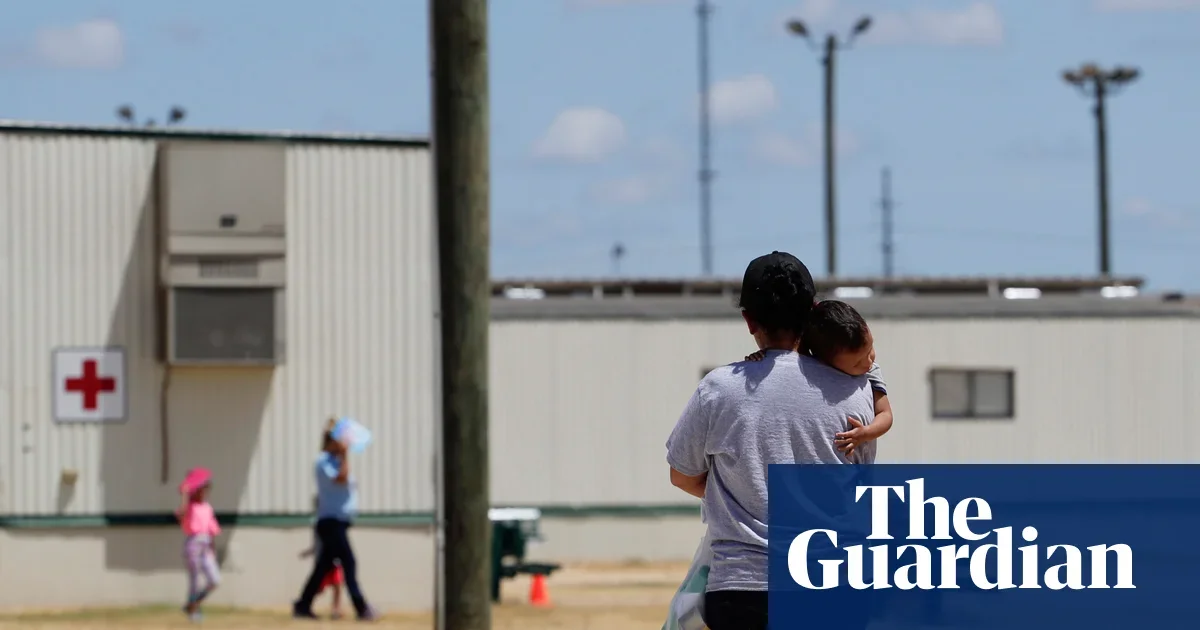
Democratic Rep. Joaquin Castro says a two-year-old detainee at Texas's Dilley family detention center is sick and not getting adequate medical care, calling for the child’s release and the facility’s shutdown amid complaints of mold, worms, and poor conditions; CoreCivic defends the center while critics warn of broader abuses in family detention.
Hollywood figures and other notable signatories including Pedro Pascal, Natasha Lyonne, Wunmi Mosaku, Morgan Spector, Carrie Coon, Diego Luna and Madonna joined a Change.org petition urging the immediate closure of the Dilley Immigration Processing Center in Texas and an end to detaining children and families, arguing that conditions amount to trauma and violate basic health, safety, dignity and human rights. The missive targets private prison operator CoreCivic, along with DHS/ICE and officials such as Donald Trump and ICE Director Todd Lyons, with signatures growing past 2,600. Protests and attention around the facility continue, underscoring calls for transparency, accountability and systemic reform to end child imprisonment.
The Trump administration picked newcomers to retrofit and run detention warehouses in Maryland and Arizona, signaling a shake-up in the industry long dominated by Geo Group and CoreCivic.
An investigation is underway at the Northeast Ohio Correctional Center after an incident involving detainees connected to CoreCivic’s federal partners. Police responded to reports of a stabbing on January 30, 2026; one inmate was injured and treated on-site before being transported to a local hospital and released. CoreCivic reported no staff injuries and said the incident remains under investigation, with no details released about the nature of the incident or potential connections to other events.
Leavenworth, Kansas, a city historically known for its corrections industry, is embroiled in a legal and political dispute over plans to establish a privately operated ICE detention center, with city leaders suing the operator CoreCivic due to safety concerns and local zoning issues, amid broader national debates on immigration and incarceration.
Private prison stocks, particularly Geo Group and CoreCivic, are experiencing a surge due to expectations of increased business from Trump's promised immigration crackdown. Geo Group's stock has risen 67% since Election Day, while CoreCivic's has increased nearly 65%. This mirrors a similar trend from the early days of Trump's first administration, although both stocks currently trade below their early-2017 highs.
The Trump administration's tough stance on illegal immigration could benefit private prison companies like CoreCivic and Geo Group, which contract with ICE to detain undocumented migrants. Following Trump's election win, both companies saw a surge in stock prices, anticipating increased demand for detention facilities. During Trump's first term, immigration detention reached record levels, with private prisons housing 81% of ICE detainees by January 2020. The companies are preparing for potential expansion, contingent on congressional funding, as Trump plans a significant deportation operation.