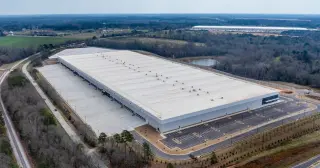
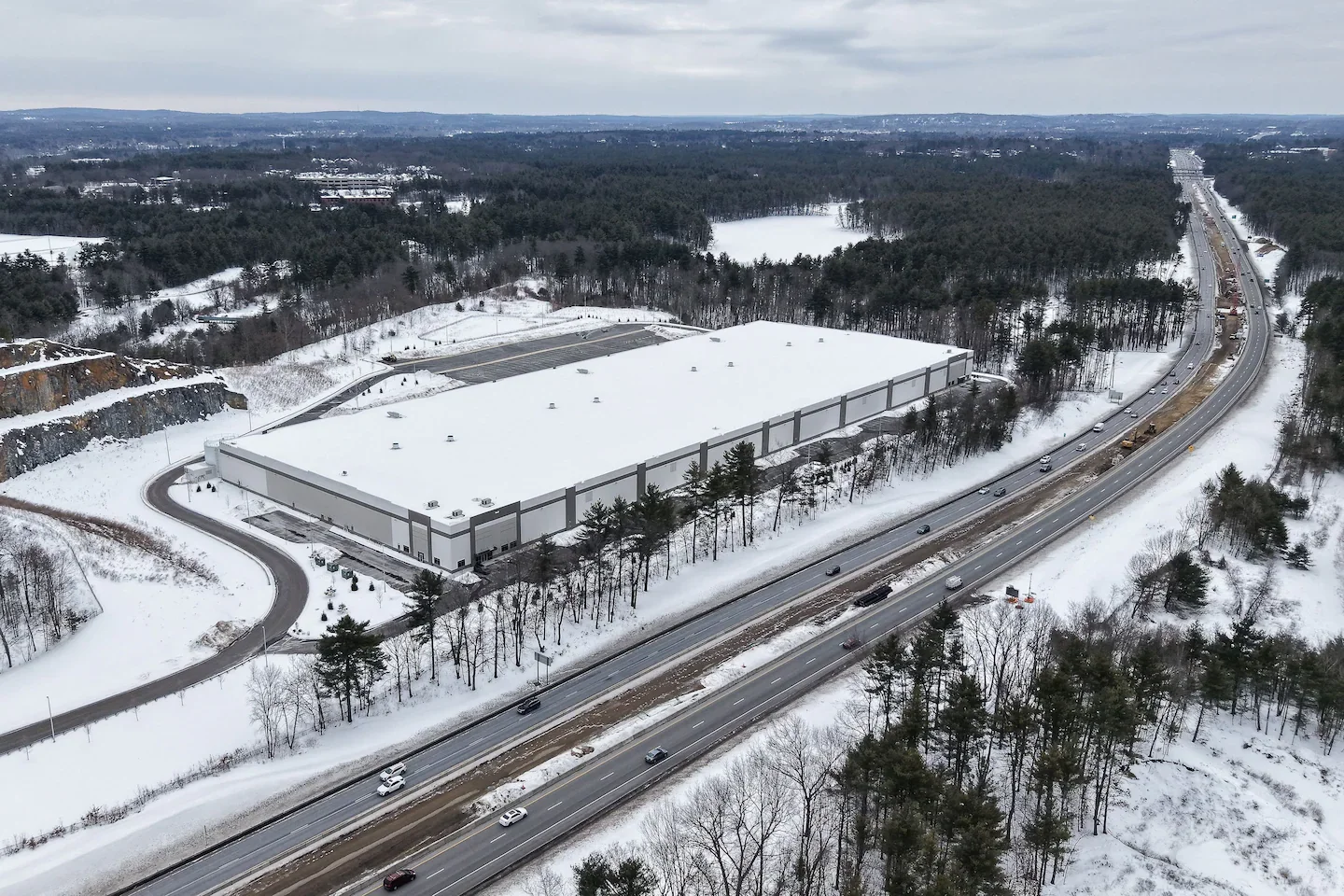
The New York Times reports ICE plans to dispose of seven warehouses originally acquired to be immigration detention centers, including a Salt Lake City site bought for about $145 million; DHS says it will use existing detention space, while Utah officials and opponents push back with lawsuits and demonstrations.
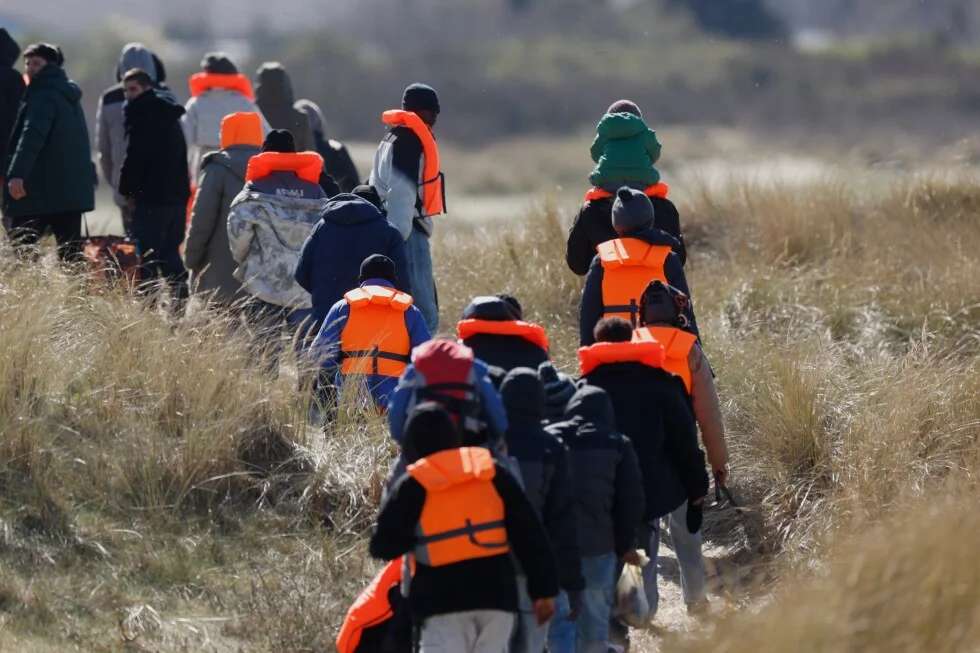
The EU’s new Return Regulation moves Europe toward detaining and deporting migrants in third countries, potentially hosting facilities in Africa or Asia. While Brussels says the framework will boost removals of rejected asylum-seekers and deter irregular arrivals, NGOs warn it could trap hundreds of thousands of people in detention for up to 30 months, with risks including family separations and rights violations. The practical details—where centers will be located, how long people can be held, and how children’s education will be safeguarded—remain unresolved, and past attempts (like Italy’s Albania model) have struggled to deliver results.
The Trump-era plan to detain up to 100,000 migrants at once using mega-warehouses is under review, with DHS and ICE considering selling several of the purchased warehouses and some owned planes; no sales have been finalized as new leadership retools assets, an inspector-general audit examines the purchases, and local opposition persists.
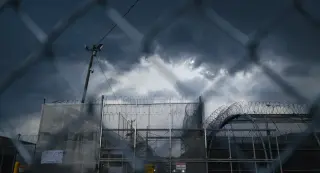
Outside Delaney Hall in Newark, more than 300 ICE detainees continued a sixth-day hunger and labor strike as protesters gathered in support; demonstrations turned tense when supporters attempted to block entrances, with ICE agents reportedly baton-charging and pepper-spraying demonstrators. Detainees allege harsh conditions and forced labor under Geo Group, while lawmakers Andy Kim and Mikie Sherrill faced pepper spray during visits. Six protesters were arrested, according to DHS Secretary Markwayne Mullin. Detainees’ four demands include an in-person meeting with Sherrill, immediate release of all prisoners, swift adjudication of immigration cases, and an end to coercive self-deportation; advocates frame the issue as part of broader privatization and abuses at detention facilities and call for accountability and closure of the facility.
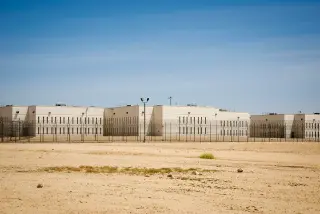
A California Department of Justice report finds six detainees died in California ICE detention centers over the past year as crowding and limited medical staffing strained care, with four deaths at Adelanto and two at Imperial Regional Detention Facility. Inspectors describe poor conditions, including inadequate mental health care, cold temperatures, and sanitation issues, amid a more than 150% increase in detainee population. The facilities are run by private companies under ICE contracts, which defend adherence to detention standards, while the report notes rollbacks of civil-rights protections under the Trump administration.
A small Georgia town, Social Circle, has sued DHS and ICE over plans to convert a warehouse into a 10,000-person detention facility, arguing it would strain the town’s infrastructure and violate laws; the $128 million purchase price reportedly far exceeds the property’s assessed value and construction hasn’t begun with a 2026 opening target. ICE describes the project as a long-term detention solution with detainees averaging about 60 days, and it’s part of a broader multi-billion expansion of detention capacity; DHS is also auditing the program for cost-effectiveness.
EU lawmakers approved a plan to facilitate the creation of detention centers outside the bloc as part of its migration policy, aiming to streamline asylum processing and reduce arrivals, while critics warn the externalization approach could undermine human rights protections and EU asylum guarantees.
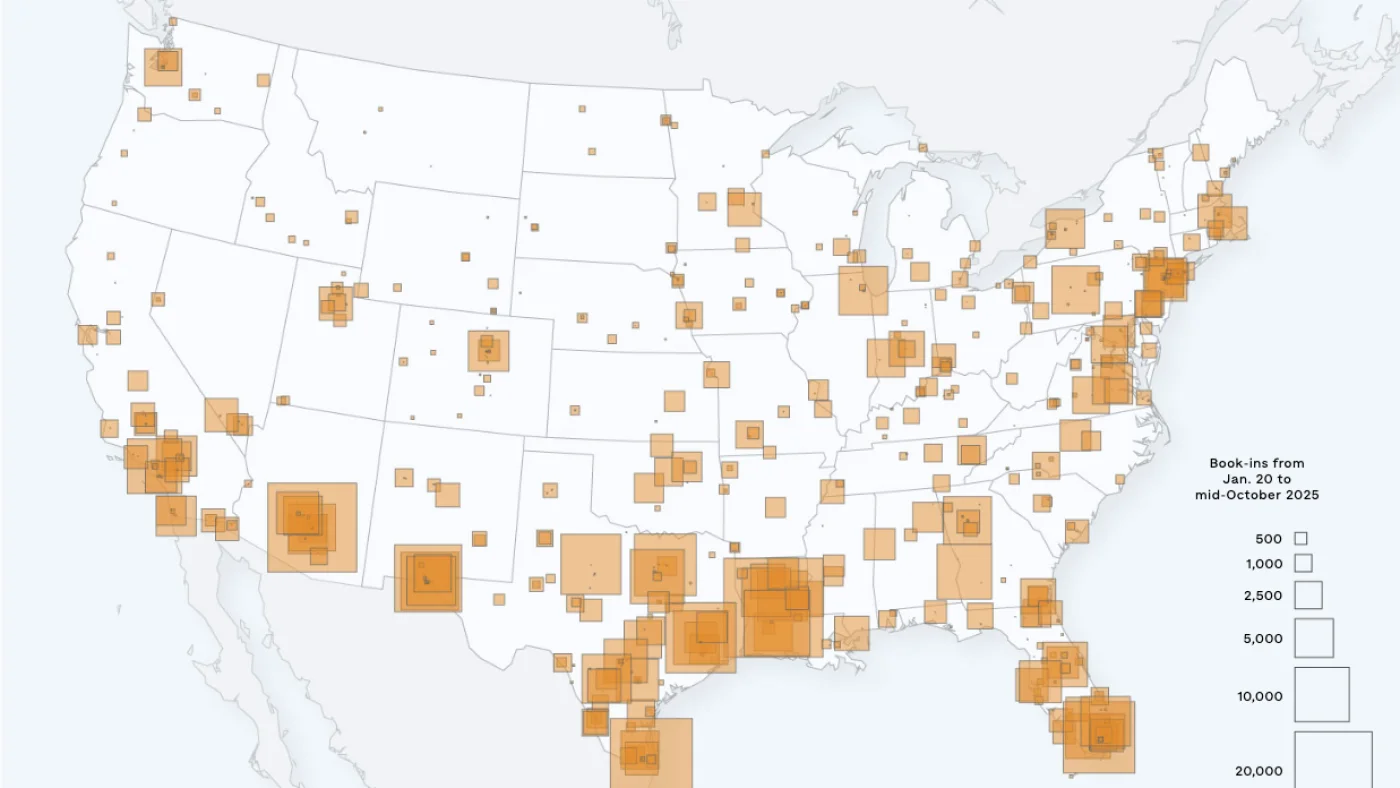
ICE is rapidly expanding detention capacity with billions in funding and a hub-and-spoke plan that could reach up to 100,000 beds, spurring broad local opposition over costs, infrastructure, and ethics, while some communities anticipate economic benefits and private operators like GEO Group and CoreCivic profit from the contracts.
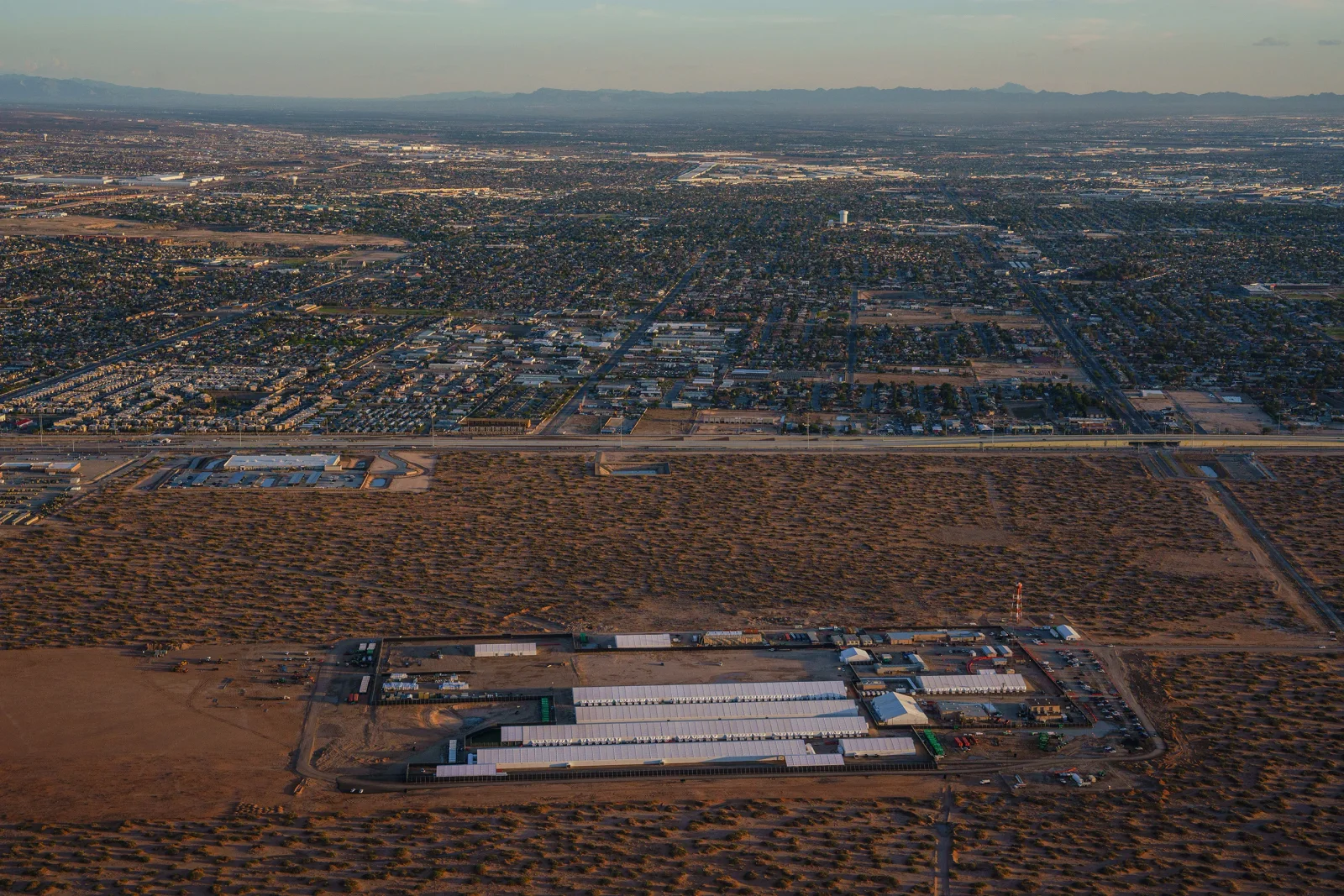
ICE is drafting a move to terminate the contract for Camp East Montana and shutter the $1.2 billion detention camp near El Paso after it opened in 2025 amid deadly incidents and numerous federal-standards violations; DHS says it is reviewing the facility but has not announced contract actions, even as the administration pushes a broader expansion plan to repurpose warehouses into mass detention hubs.
Two New Hampshire senators introduced a bill to bar DHS from opening new immigration processing sites or detention centers without consent from the state governor and local officials, citing community concerns like those in Merrimack. A House companion bill was filed, and the measure would require 30 days of public comment and congressional notification. Democrats say it responds to local pushback against the administration’s detention-center plans, but Republicans largely back the deportation agenda and the bill faces slim odds in a Republican-controlled Congress, though some GOP lawmakers have voiced concerns about site proposals.
Six migrants died in ICE custody in Texas over six weeks, including at the Camp East Montana tent facility, prompting renewed scrutiny of medical care, oversight, and plans to expand detention capacity in the state.
Cardinal Cupich led an outdoor Ash Wednesday Mass in Melrose Park for thousands, tying Lent to the plight of immigrant families facing detention and deportation. The event came after a federal judge ordered DHS to allow clergy access to the Broadview ICE facility, reflecting ongoing faith-led efforts by CSPL and others to provide pastoral care inside detention centers and to uphold human dignity amid enforcement actions.
Faber‑Castell, the world’s largest pencil maker, says Costa Rica misused its donated former factory (Maderin Eco/Catem site) by detaining 200 asylum seekers deported from the United States, a move HRW and rights groups say lacked legal basis. Costa Rica denies rights violations, while a court later found the detention violated fundamental rights and ordered potential compensation. The Catem facility, with a 300-person capacity, had around 60 migrants in early 2026 and none reported by late January; Faber‑Castell says it was unaware of the detention and is considering next steps.
Rep. Tony Gonzales defended the Dilley, Texas immigration detention center amid a measles outbreak and activist criticism, calling the facility 'nice' and arguing for humane enforcement of immigration laws; the discussion touched on asylum policy, DHS funding, and proposals like body cameras and judicial warrants.
The Trump administration aims to expand immigration detention by converting warehouses into detention facilities in 23 towns across eight states, potentially housing up to 80,000 detainees as part of a $45 billion ICE expansion. The plan has sparked protests and bipartisan opposition even in Trump-voting areas (Virginia, Oklahoma, New Jersey), with polling showing broad skepticism of large detention centers. The fate of the initiative remains uncertain as communities push back and officials reassess deals.