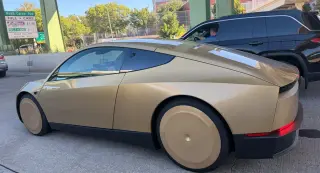
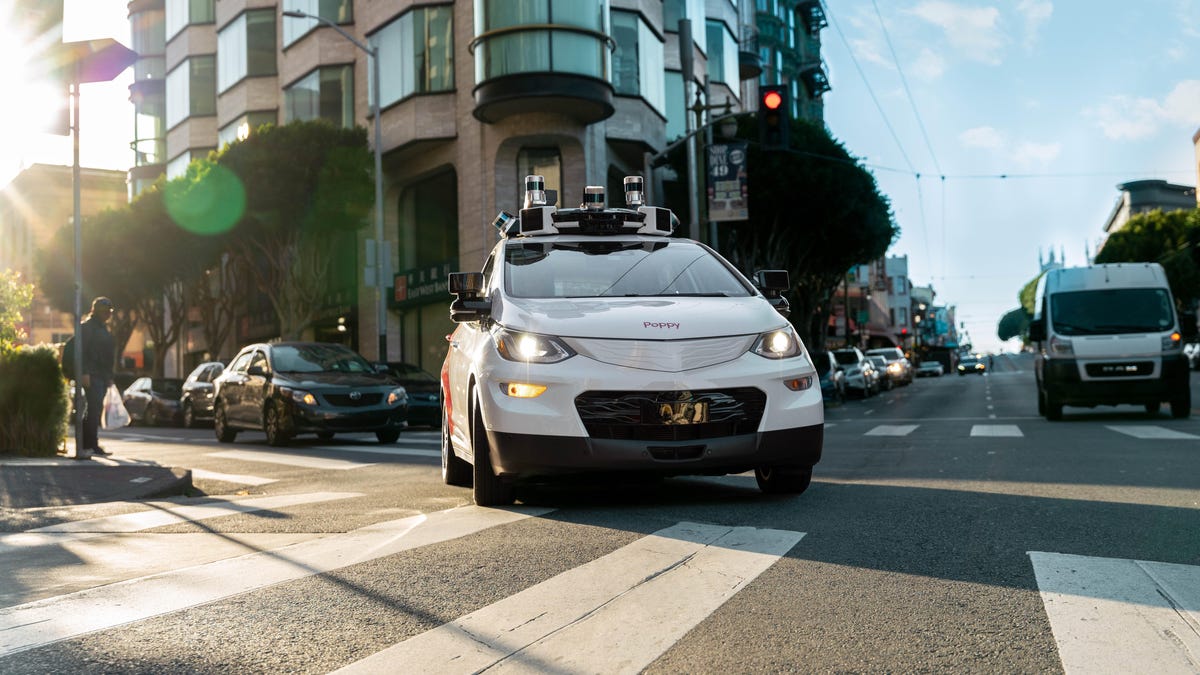
Tesla's Cybercab, a supervised autonomous taxi, has appeared on New York streets signaling a pilot with a driver in the front seat even though there’s no official NYC launch; regulators say state law requires a human driver and the TLC notes autonomous-for-hire testing isn’t allowed, with Waymo permits and taxi-union concerns shaping the broader regulatory debate.
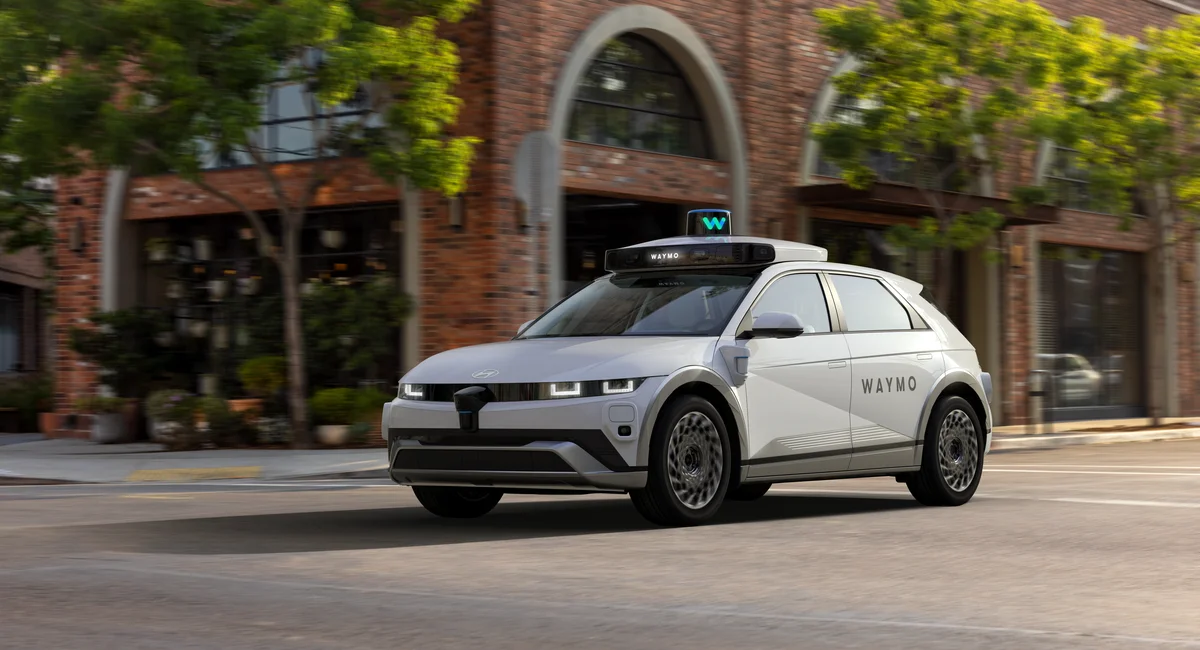
Waymo, a subsidiary of Alphabet, is seeking permission to test driverless taxis in Manhattan, posing a significant threat to NYC's traditional taxi drivers who have already been impacted by ride-sharing apps like Uber and Lyft. The company claims autonomous vehicles can coexist with human drivers, but critics fear job losses and industry disruption, echoing past concerns over ride-sharing's impact on taxi medallion values and driver livelihoods.
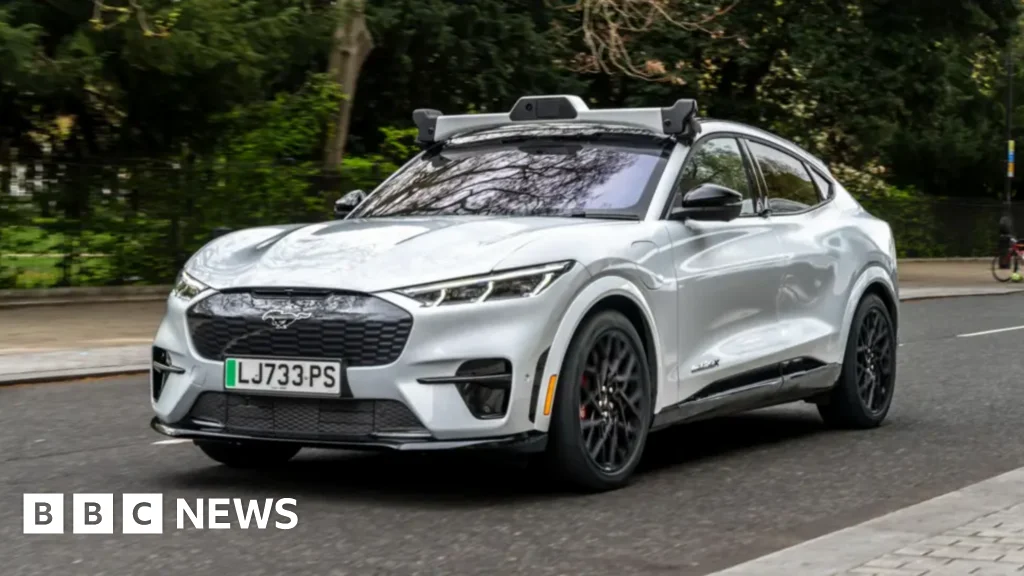
Uber plans to trial driverless taxis in London next spring in partnership with Wayve, following UK government policy changes that accelerate autonomous vehicle deployment, with potential economic benefits and safety considerations still under review.
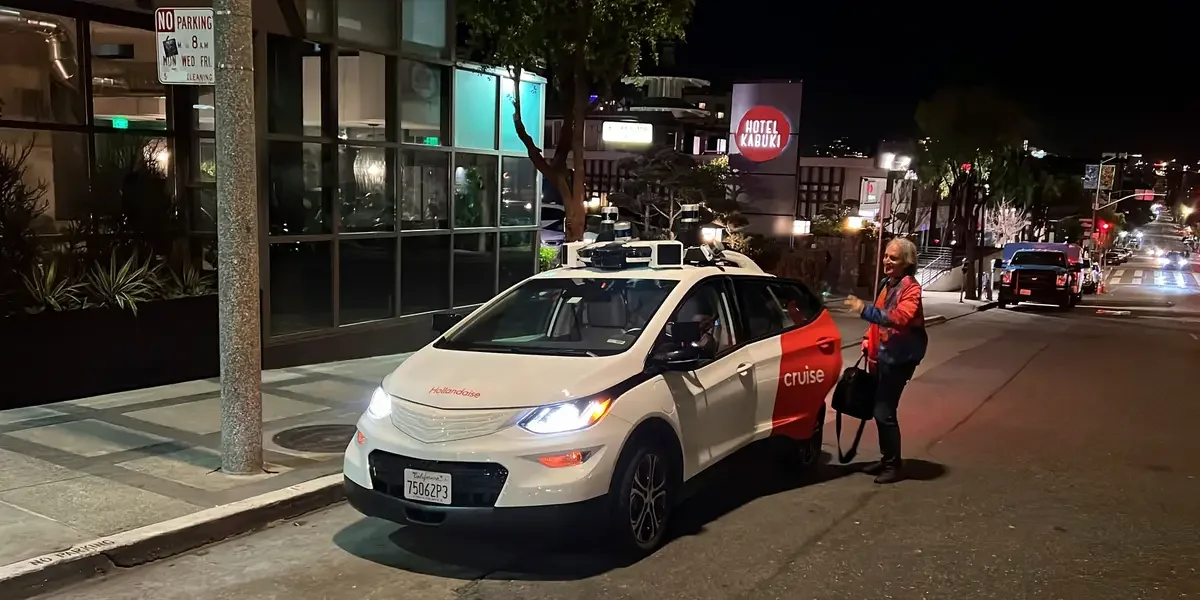
California's Public Utilities Commission (CPUC) has accused driverless taxi company Cruise of withholding information and making misleading statements about an October accident in which a pedestrian was struck and dragged by a Cruise vehicle. The CPUC has threatened fines and sanctions unless Cruise can prove it did not withhold data and provide a full account of the incident. Cruise is also accused of withholding video evidence from the California Department of Motor Vehicles and CPUC. The company has until February 6 to respond to the allegations.
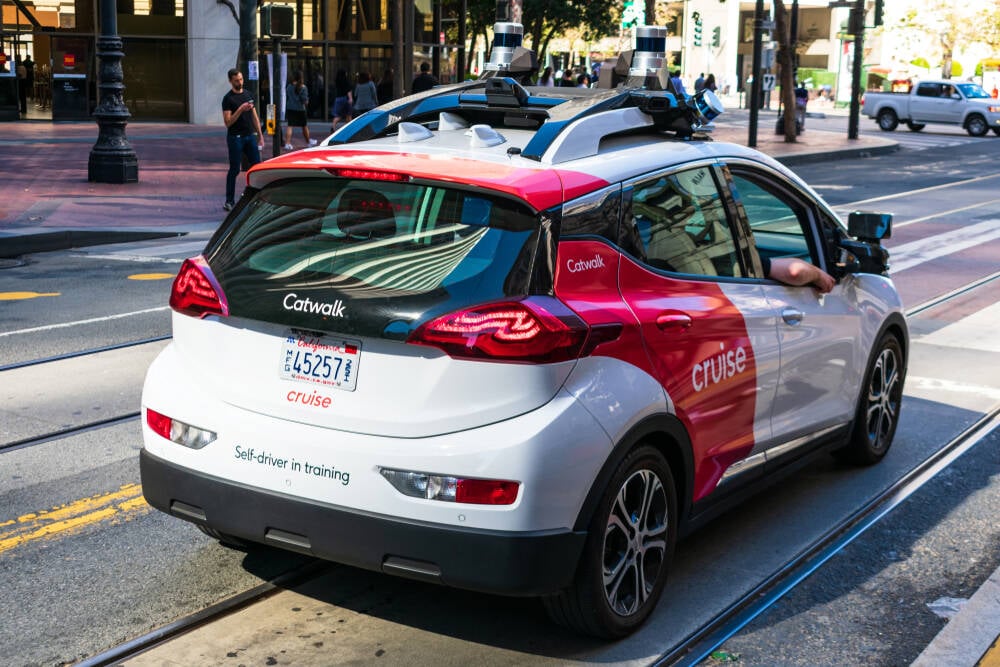
Cruise, the driverless taxi company owned by GM, has suspended its autonomous taxi operations in response to a temporary ban imposed by the California DMV. The company stated that it is working to rebuild public trust and will evaluate its operational processes and systems. This suspension does not affect Cruise's supervised autonomous vehicle operations. Additionally, Cruise is under investigation by U.S. auto safety officials for five reports of its driverless cars inappropriately braking, which could result in civil penalties of up to $132 million if the company fails to respond to the investigation.
Cruise, a self-driving car company, has agreed to reduce its driverless taxi fleet in San Francisco by 50% following two separate collision incidents involving its vehicles. The California Department of Motor Vehicles (DMV) is investigating the incidents and requested the reduction in operating vehicles. Cruise will now have a maximum of 50 driverless vehicles operating during the day and 150 at night. The company believes it positively impacts road safety and is committed to working with the DMV to improve safety and efficiency. This comes just a week after the California Public Utilities Commission (CPUC) approved Cruise and Alphabet's Waymo to operate driverless taxis 24/7 in San Francisco. Concerns have been raised about the city's readiness for the expansion of driverless taxi operations, with reports of traffic jams, interruptions to emergency situations, and incidents involving dogs.