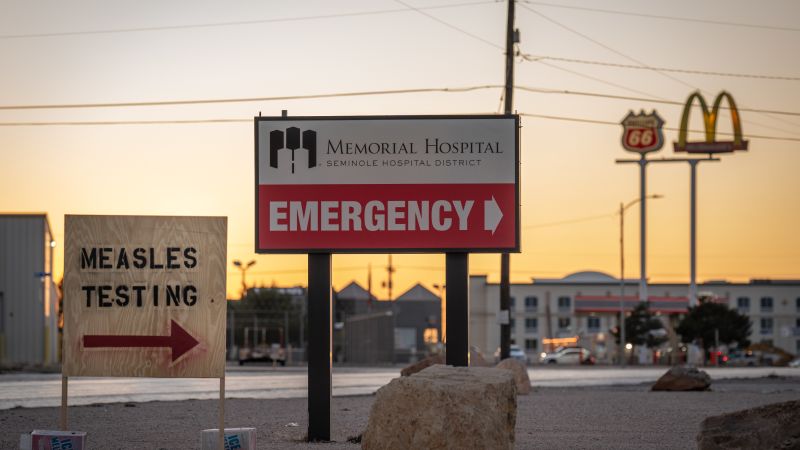
Utah has reported nearly 700 measles cases in the past year as a nationwide outbreak continues, putting the state’s elimination status at risk. Health officials are emphasizing vaccination and ongoing public health measures while monitoring spread across Utah.
Two authors of a Live Science progress report say the U.S. measles outbreak is threatening to erase decades of elimination, with an upcoming November review likely to determine if elimination status is revoked. They cite seven indicators used to judge elimination, rising outbreaks since 2025, and the likelihood of undercounted cases. They highlight wastewater surveillance as a key tool, and note that vaccination efforts will mainly occur at the state and local levels amid political skepticism toward vaccines. The situation is not unique to the U.S.; other high-income countries have faced similar resurgences.
An international panel reviewing whether the United States still meets the measles elimination criteria has postponed its decision to November at the request of U.S. health officials, who need more time to analyze data as measles continues to spread, pushing any potential revocation past the midterm elections.
The WHO says Britain and several European countries, including Spain and Austria, have lost measles elimination status due to a 2024 surge in infections and falling vaccination uptake. The UK’s two-dose vaccination rate was 84.4% in 2024, with 2,911 confirmed cases in England, underscoring the need to boost vaccination to keep measles at bay.
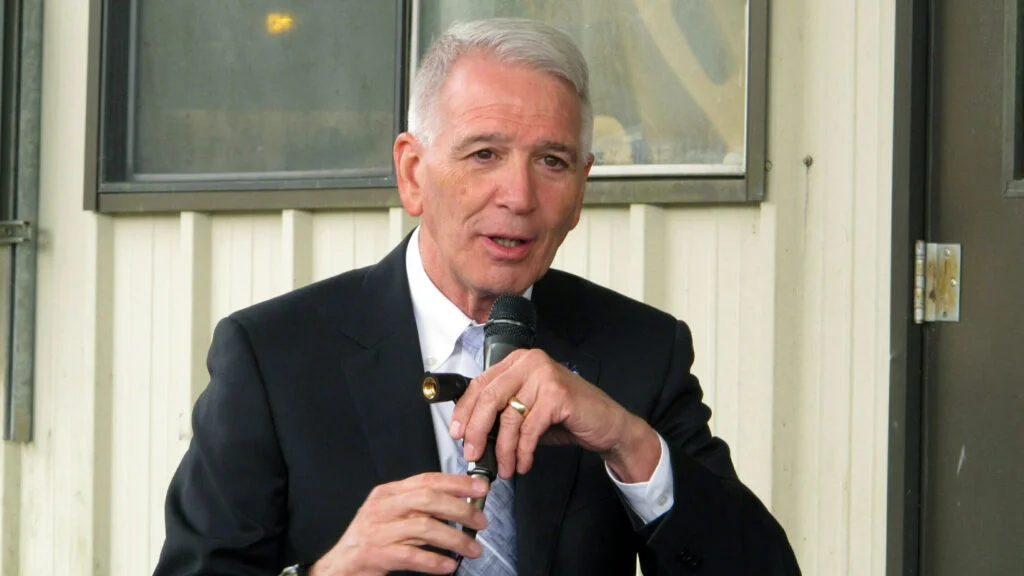
CDC principal deputy director Ralph Abraham said that losing the United States’ measles elimination status would not be a major event, calling it the “cost of doing business” given porous borders and global travel; elimination status is lost only if transmission continues for a year or more after introduction. With outbreaks rising, 2025 saw 2,242 confirmed cases (the highest since 1991), and 2026 has already reached 336 cases, some in communities with unvaccinated children. The administration continues to promote MMR vaccination, while CDC researchers work on whole-genome sequencing to distinguish ongoing spread from new introductions. Canada recently lost its elimination status, and PAHO will review the U.S. and Mexico in April.
Measles outbreaks in the US are rising, with South Carolina reporting 646 cases since October and 88 new infections in the past week, triggering quarantines for hundreds of people across 15 schools and spreading to Clemson and Anderson universities. The surge risks the US losing its measles elimination status as vaccination rates lag and anti-vaccine sentiment grows. Two MMR doses are 97% effective, with herd immunity requiring roughly 95% vaccination; Spartanburg County’s school-age vaccination rate is about 90%.
South Carolina reports 88 new measles cases (646 total since October), with the outbreak centered in Spartanburg County and exposures at schools, a Publix, and the SC State Museum, as the U.S. faces the risk of losing measles elimination status amid declining vaccination rates; health officials urge vaccination (MMR) and continued vigilance as overall cases rise nationally.
The US is working to maintain its measles elimination status amid recent outbreaks, with investigations suggesting these are likely unrelated to the Texas outbreak, based on genetic analysis and epidemiological data, though some uncertainties remain due to reporting gaps and community trust issues.
The Americas, led by Canada, is at risk of losing its measles elimination status due to a large, ongoing outbreak in Canada, which has spread across multiple provinces and is linked to under-vaccinated communities. This situation highlights the challenges of maintaining measles-free status and the importance of robust vaccination and surveillance efforts. If the outbreak continues for 12 months, the region could lose its measles elimination status, a setback after years of progress.
The U.S. faces a risk of losing its measles elimination status due to rising cases and declining vaccination rates, which could impact travel, quarantine measures, and public health efforts. Experts emphasize the importance of increasing vaccination coverage and addressing vaccine hesitancy to prevent outbreaks and maintain elimination status, which is challenging to regain once lost.