
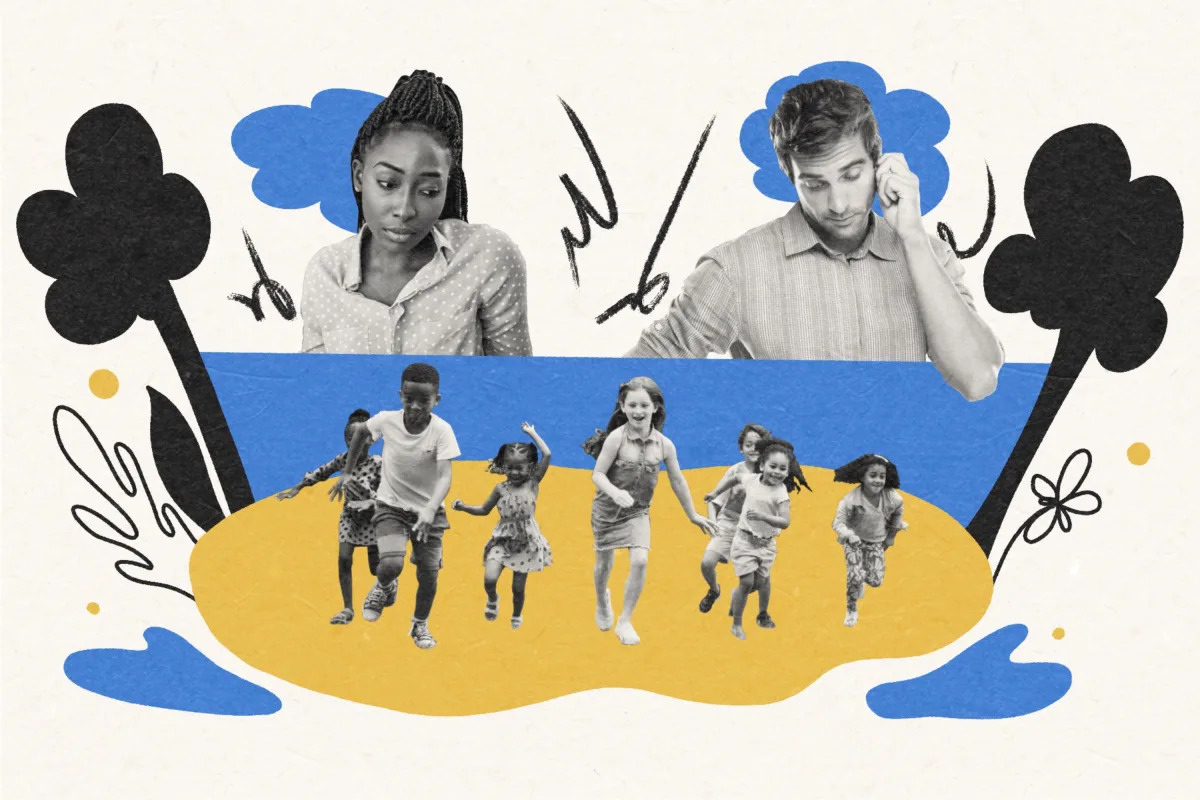
The Importance of Unsupervised Outdoor Play for Kids: Encouraging Free Play in Families
A new study conducted by the University of Essex suggests that the "intensification of parenting" and the rise of structured activities have led to a decline in spontaneous play among children, reducing creativity and independent learning opportunities. Experts emphasize the importance of free play for children's physical, social, and emotional well-being, while acknowledging parents' safety concerns. Strategies to encourage independent outdoor play include eliminating potential hazards, setting clear limits, teaching safety rules, and gradually introducing more freedom based on a child's readiness and responsibility. Some families are embracing the concept of free play by providing spaces with known risks, moving to rural areas, or prioritizing outdoor time despite safety concerns. Outdoor access is seen as essential for a healthy childhood, promoting brain development, mental and physical health, and confidence in children.