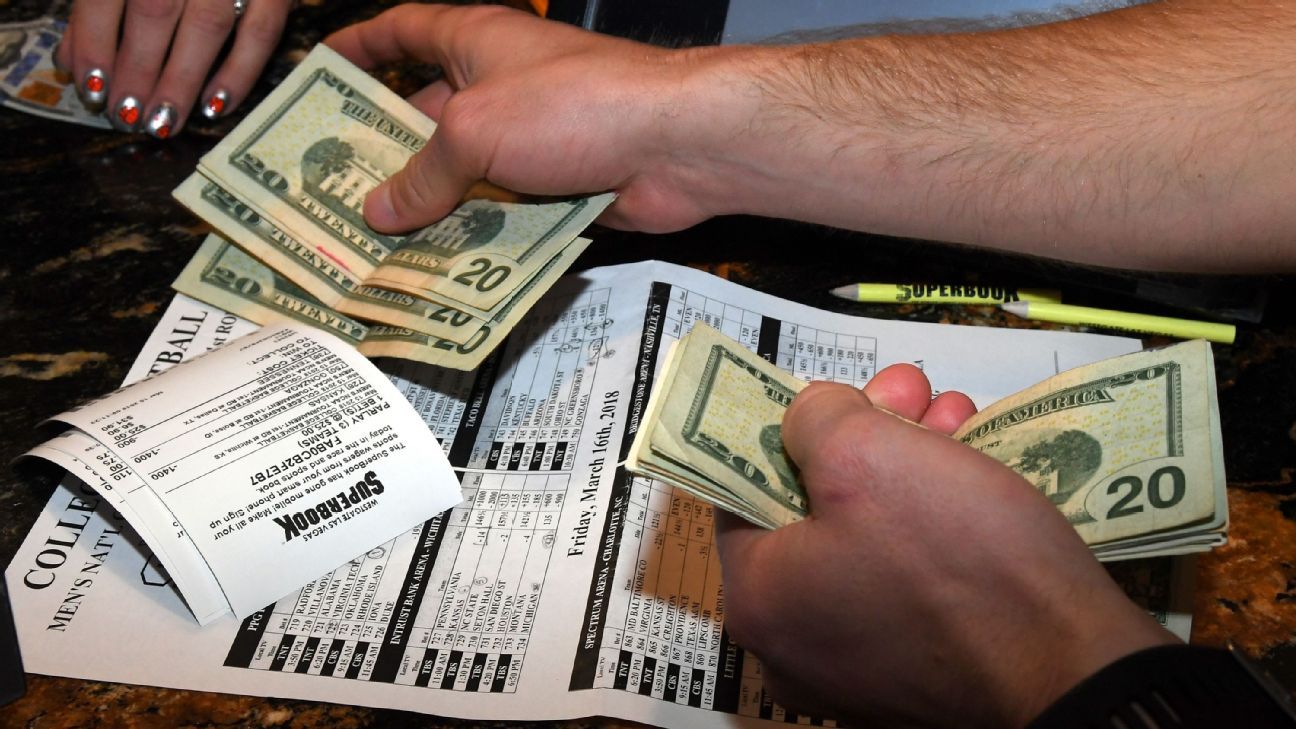
New York’s mobile sportsbooks posted a historic weekly net loss of over $48 million for the week ending June 14, driven by the Knicks’ late-season playoff run, which bookmakers say is used to entice future bets even as the house remains highly profitable in the long run.
Pennsylvania’s primary elections produced mixed results as incumbents faced money from skill-games and sports-betting interests, with three Republican state senators—Baker, Bartolotta, and Gebhard—surviving challenges; in the House, Greg Vitali was defeated by Judy Trombetta in the 166th, while Ce-Ce Gerlach led Ana Tiburcio in the 22nd. In the 16th Senate District, Mark Pinsley defeated Bradley Merkl-Gump to face Jarrett Coleman in November, aided by a new PAC targeting Merkl-Gump. Other contests included the 148th District race with no Republican on the ballot and Dave Nissley winning the retiring Bryan Cutler seat in Lancaster County; many races remain shaped for uncompetitive general elections.
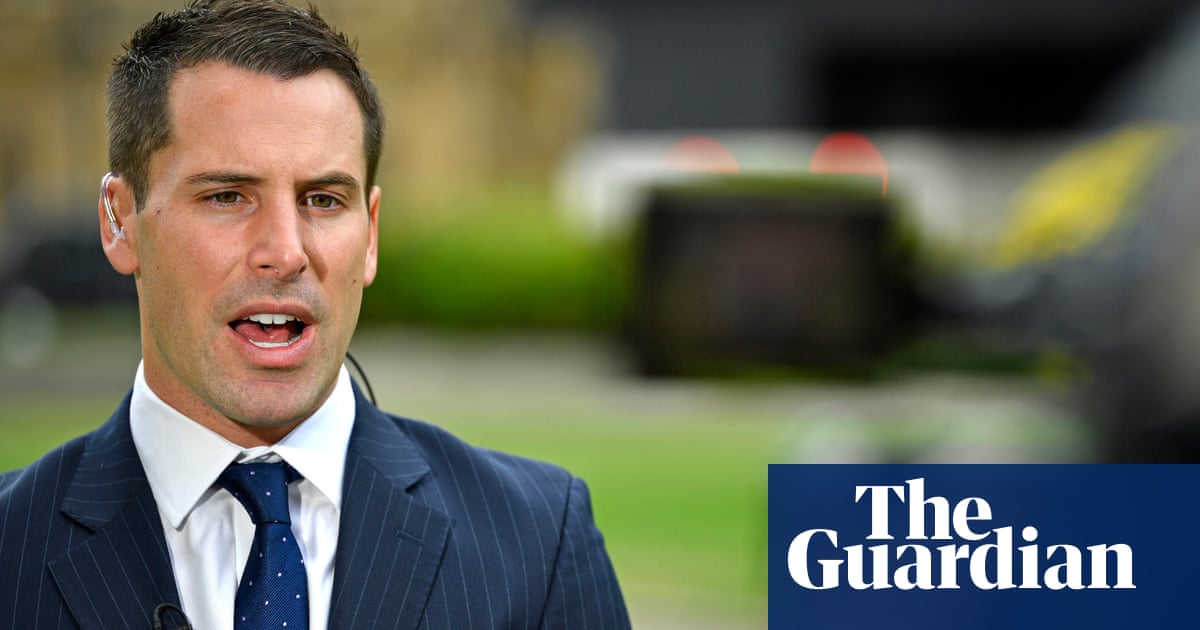
MP Scott Benton is facing a 35-day suspension from parliament after being caught in a lobbying scandal. Undercover reporters posing as representatives of a fake investment fund recorded Benton offering to lobby ministers on behalf of the gambling industry and leak a confidential policy document for a monthly fee. The Commons standards committee deemed his actions an "extremely serious breach" and recommended the suspension. If approved, this could lead to a byelection in Benton's constituency of Blackpool South, a former Labour stronghold. Labour has already selected a candidate and hopes to win the seat.
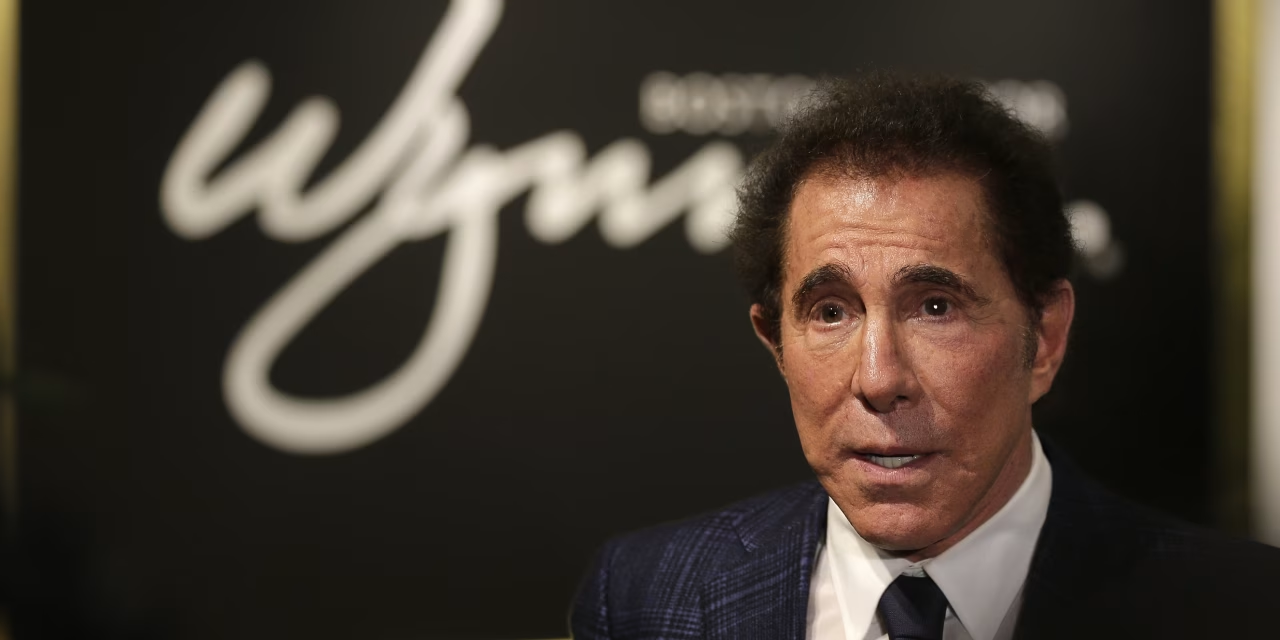
Steve Wynn, the former CEO of Wynn Resorts, has agreed to stay out of Nevada's gambling industry as part of a new settlement. The agreement comes after a lengthy investigation into allegations of sexual misconduct against Wynn. Under the settlement, Wynn will not be able to participate in any gaming activities or have any involvement in the state's gambling industry.
The American Gaming Association has introduced a new responsible marketing code that prohibits sportsbooks from partnering with colleges to promote sports wagering, bars payments to college and amateur athletes for using their name, image or likeness, and ends the use of the terms "free" or "risk-free" to describe promotional bets. The new rules also require that anyone depicted in sports betting advertising be at least 21 years old and restrict advertising to media where at least 73.6% of the audience is reasonably expected to be 21 or older.