Tag

Green Turtles

All articles tagged with #green turtles

Plastic rocks terrorize remote Brazilian island.
environment3 years ago

Plastic rocks terrorize remote Brazilian island.

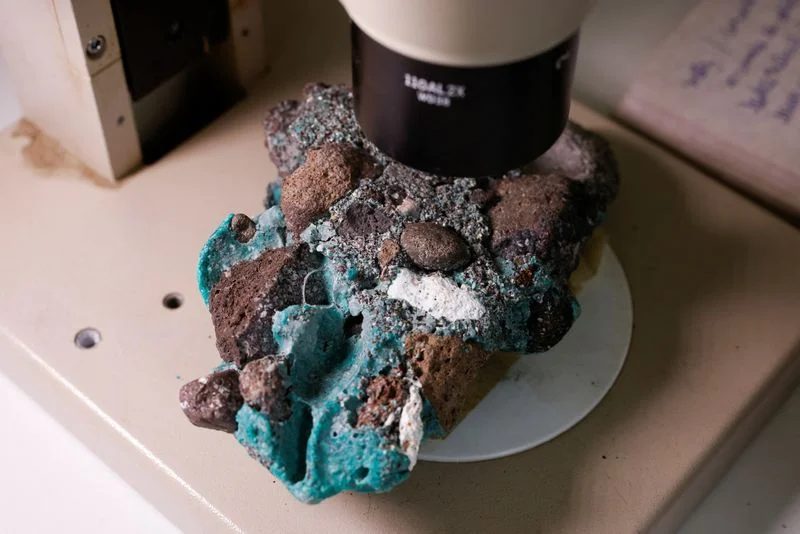
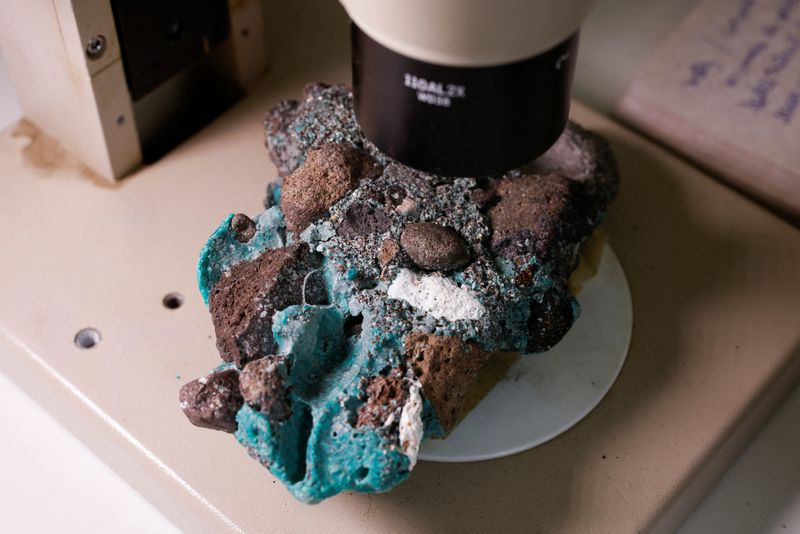
Plastic debris has become intertwined with rocks on Brazil's Trindade Island, a remote turtle refuge, which researchers say is evidence of humans' growing influence over the earth's geological cycles. The discovery of rocks made from plastic debris, called "plastiglomerates," has sparked alarm among scientists. The pollution mainly comes from fishing nets, which is very common debris on Trinidade Island's beaches. The discovery stirs questions about humans' legacy on the earth and the impact of plastic pollution on the planet's geology and ecosystems.
environment3 years ago

Plastic Rocks Terrify Researchers on Brazilian Island.

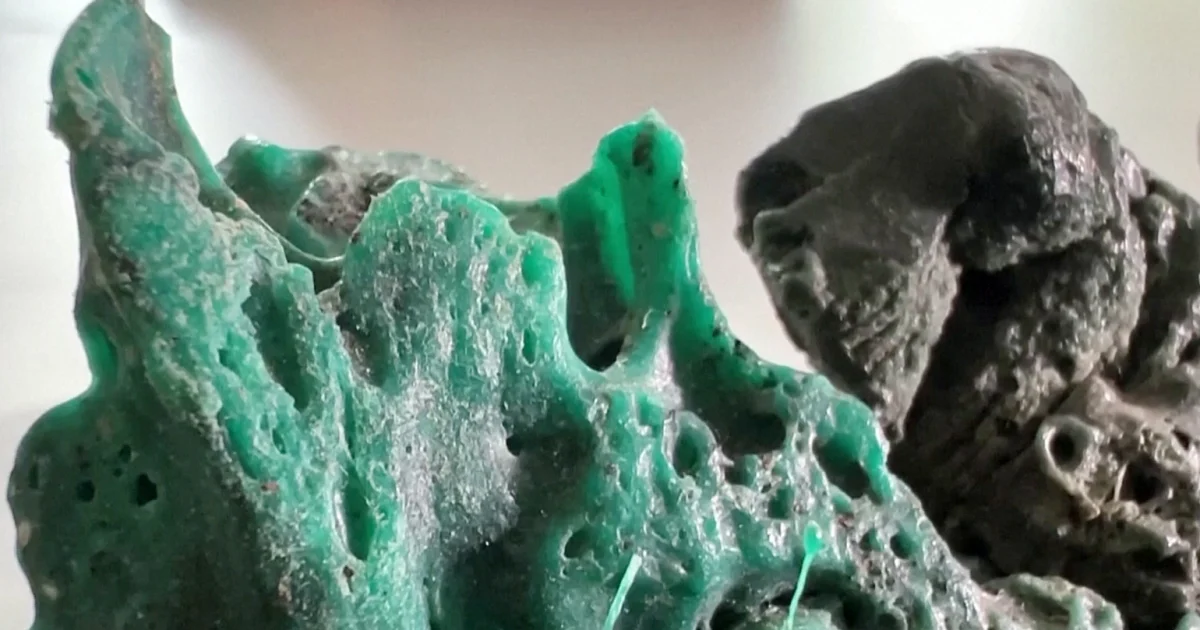
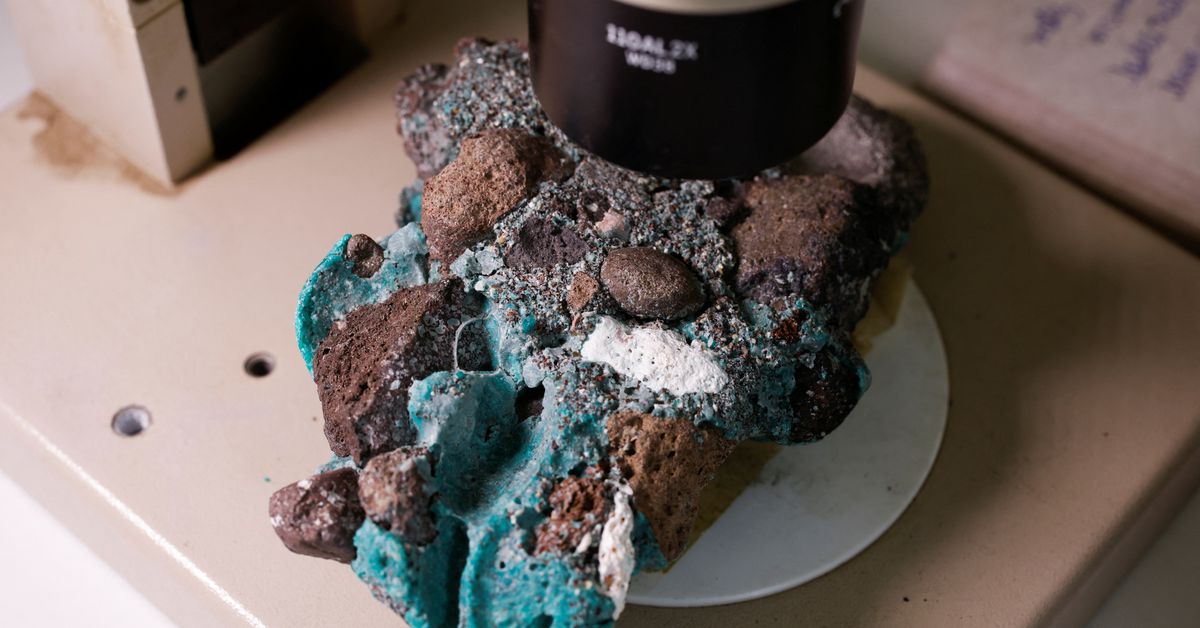
Researchers studying Trindade Island, a remote Brazilian volcanic island known for its green turtles, have discovered rocks made from plastic debris. The rocks, called "plastiglomerates," are a mixture of sedimentary granules and plastic debris, mainly from fishing nets. The plastic washes up on the island and eventually melts, embedding itself within the island's natural geology. This discovery is concerning as pollution has now reached geology, and the plastic dumped incorrectly in the oceans is becoming geological material preserved in the earth's geological records.

Plastic rocks discovered on remote Brazilian island.
environment3 years ago

Plastic rocks discovered on remote Brazilian island.

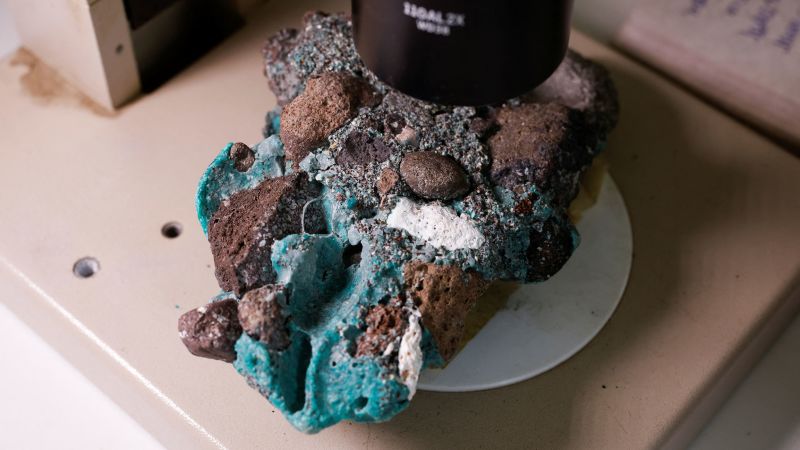
Researchers have discovered rocks made from plastic debris on Brazil's Trindade Island, a remote turtle refuge, which is evidence of humans' growing influence over the earth's geological cycles. The rocks, called "plastiglomerates," are made of a mixture of sedimentary granules and other debris held together by plastic, mainly from fishing nets. Trindade Island is one of the world's most important conservation spots for green turtles, and the discovery raises questions about humans' legacy on the earth and the proposed geological epoch, Anthropocene.

Plastic rocks discovered on remote Brazilian island.
environment3 years ago

Plastic rocks discovered on remote Brazilian island.

Researchers have discovered rocks made of plastic debris on Trindade Island, a remote turtle refuge in Brazil. The rocks, called "plastiglomerates," are made of a mixture of sedimentary granules and other debris held together by plastic, mainly from fishing nets. The discovery raises concerns about humans' impact on the planet's geology and ecosystems, as pollution and plastic dumped in the oceans become geological material preserved in the earth's records. Trindade Island is one of the world's most important conservation spots for green turtles, with thousands arriving each year to lay their eggs.

Plastic rocks discovered on remote Brazilian island.
environment3 years ago

Plastic rocks discovered on remote Brazilian island.

Researchers have discovered rocks made from plastic debris on Brazil's Trindade Island, a remote turtle refuge, which is evidence of humans' growing influence over the earth's geological cycles. The rocks, called "plastiglomerates," are made of a mixture of sedimentary granules and other debris held together by plastic, mainly from fishing nets. Trindade Island is one of the world's most important conservation spots for green turtles, and the discovery raises questions about humans' legacy on the earth and the proposed geological epoch defined by humans' impact on the planet's geology and ecosystems, known as the Anthropocene.

Plastic rocks discovered on remote Brazilian island.
environment3 years ago

Plastic rocks discovered on remote Brazilian island.

Researchers have discovered rocks made from plastic debris on Brazil's Trindade Island, a remote turtle refuge, which is evidence of humans' growing influence over the earth's geological cycles. The rocks, called "plastiglomerates," are made of a mixture of sedimentary granules and other debris held together by plastic, mainly from fishing nets. Trindade Island is one of the world's most important conservation spots for green turtles, and the discovery raises questions about humans' legacy on the earth and the proposed geological epoch defined by humans' impact on the planet's geology and ecosystems, known as the Anthropocene.