
Tag

Low Resource Settings

All articles tagged with #low resource settings

Tiny Fingerprint Test Could Detect Counterfeit Pills in Low-Resource Settings
technology19 days ago

Tiny Fingerprint Test Could Detect Counterfeit Pills in Low-Resource Settings

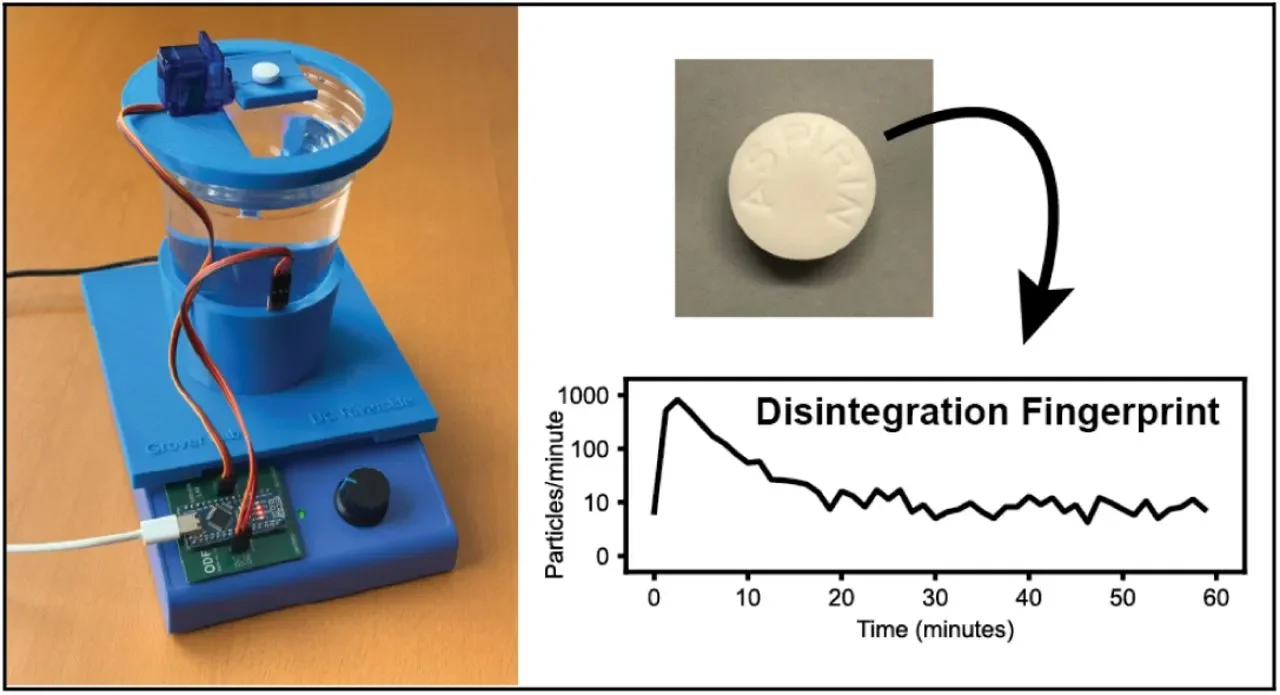
A technique called Disintegration Fingerprinting records a pill’s dissolution signal as it breaks up in water, using a simple setup (cup, stir plate, microcontroller, servo, IR sensor). In tests on 32 products, it correctly flagged counterfeit or adulterated pills in 90% of cases and could even distinguish generics from brand-name meds, offering a low-cost QA/QC tool for drug distribution—though it requires a known-good reference and misses about 10% of products.


"Effective Intervention Cuts Postpartum Anxiety and Depression Risk by Over 70%"
health2 years ago

"Effective Intervention Cuts Postpartum Anxiety and Depression Risk by Over 70%"

A study funded by the National Institutes of Health conducted in Pakistan found that a cognitive behavioral therapy intervention called Happy Mother-Healthy Baby, administered by non-specialized providers, significantly reduced the likelihood of pregnant women developing moderate-to-severe anxiety, depression, or both six weeks after birth. The intervention, which involved six sessions focusing on identifying and replacing anxious thoughts and behaviors, could be an effective way to prevent postpartum mental health challenges in low-resource settings, where access to trained clinical care is limited.

"Effective Intervention Cuts Postpartum Anxiety and Depression Risk by Over 70%"
health2 years ago

"Effective Intervention Cuts Postpartum Anxiety and Depression Risk by Over 70%"

A study funded by the National Institutes of Health conducted in Pakistan showed that a cognitive behavioral therapy (CBT)-based intervention called Happy Mother-Healthy Baby, administered by non-specialized providers, significantly reduced the likelihood of pregnant women developing moderate-to-severe anxiety, depression, or both six weeks after giving birth. The intervention, which included six sessions focusing on identifying and replacing anxious thoughts and behaviors, could be an effective way to prevent postpartum mental health challenges in low-resource settings where access to trained clinical care is limited.