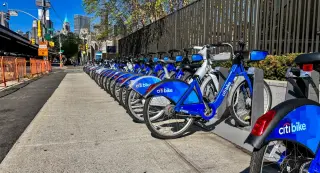
Mayor Zohran Mamdani announced a new agreement with Lyft that caps Citi Bike e-bike rides for members at $3.65 for trips up to 45 minutes, effective January 19, 2027. The deal also freezes annual membership fees at $239 and overage charges until May 2029. Additionally, the city will install charging infrastructure at over 130 stations to improve reliability and reduce operating costs.
Mayor Zohran Mamdani’s administration reached a deal with Lyft to cap Citi Bike e-bike rides for members at $3.65 for trips up to 45 minutes, effective January 19, 2027. The agreement freezes membership fees and overage charges until May 2029 and includes the installation of charging infrastructure at over 130 stations to improve reliability.
The U.S. Department of Justice filed a lawsuit against Lyft on Monday, accusing the ride-hailing company of routinely discriminating against passengers with disabilities. The suit alleges that Lyft drivers frequently refuse service to individuals using service animals or stowable wheelchairs and imposes unfair fees on these passengers. The government is seeking $53 million in damages and a court order to force policy changes and driver training. This action follows a similar lawsuit against Uber last year and marks the latest in a series of federal actions targeting ride-hailing companies for violations of the Americans with Disabilities Act.
The U.S. Federal Trade Commission (FTC) has initiated a formal investigation into how nine major companies use consumer and worker data to set prices. The probe targets ride-hailing giants Uber and Lyft, along with airlines Delta, United, and JetBlue, food delivery services DoorDash and Instacart, and retailers Target and Walmart. The agency is demanding information on whether pricing varies based on loyalty program participation or algorithmic analysis of personal data. This move follows a March inquiry by a U.S. House committee and a June report by Consumer Reports alleging that ride-hailing services charge different customers significantly different amounts for identical trips. While the FTC lacks the authority to ban personalized pricing outright, it argues that failing to disclose such practices may constitute an unfair or deceptive practice under the FTC Act. Companies have 45 days to comply with the data requests, or the agency will seek court orders to compel cooperation.
Following a contentious protest at a Portland Thorns soccer match, a Lyft driver ejected four women from his vehicle, claiming they were 'anti-trans agitators.' One passenger, Julie Lane, reported that the driver called police but left before they arrived. Lane subsequently discovered her Lyft account had been deactivated, a move the company attributed to a safety review process. The incident follows a broader dispute at the stadium where approximately 20 spectators wearing XX-XY shirts were forcibly removed by security after unrolling a 'Save Women's Sports' banner. While the U.S. Department of Justice is reviewing the stadium ejection for potential viewpoint discrimination, the rideshare incident highlights escalating tensions between conservative activists and pro-trans supporters in Portland.
The California Public Employment Relations Board confirmed on August 7 that the California Gig Workers Union (CGWU) has secured support from at least 30% of active rideshare drivers, meeting the threshold set by AB 1340. If no competing union challenges the certification within 30 days, CGWU will become the exclusive bargaining representative for approximately 350,000 active Uber and Lyft drivers in California. This marks the first time independent contractors in the gig economy have achieved statewide union recognition under a new collective-bargaining framework.
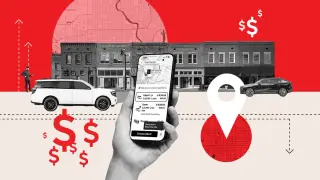
Consumer Reports’ investigation found that Uber and Lyft routinely quote different prices for the same ride booked at nearly the same moment, with a median gap around 50% across dozens of routes. The test, involving 174 volunteers across 18 states, also uncovered discounts CR calls fake or misleading. The study estimated Uber/Lyft capture about 43–50% of each fare. Both companies deny personalizing base fares or using surveillance pricing, but CR says observed price variation can’t be fully explained by obvious market factors, and regulators in several states are weighing limits on personalized pricing.
Consumer Reports’ study of 174 volunteers pricing over 40 routes across 18 states found Uber and Lyft often quote markedly different prices for the exact same ride, with a median gap of about 50% and some routes showing fares from $25 to $65 for the same origin-destination. The differences persist even when requests are made within minutes of each other. While dynamic pricing and real-time conditions explain some variability, the report raises questions about potential personalized or ‘surveillance’ pricing. Both companies deny using personalized pricing, noting that prices reflect trip characteristics, demand, supply, and promotions. Experts advise comparing prices across apps to ensure the lowest fare.
Consumer Reports’ investigation finds Uber and Lyft use opaque AI pricing that can price the same ride very differently for riders ordering within minutes of each other, with a median 50% gap and some New York City routes as high as 152%; it also shows many so-called discounts are fake, while both companies deny personal-data-based pricing and attribute prices to market factors. The report notes profits have surged since adopting algorithmic pricing and calls for price transparency and genuine discounts.
Obi data shows Waymo has cut prices in the San Francisco Bay Area, narrowing the average ride cost gap with Uber and Lyft (Waymo about $19.69 vs Uber $17.47 and Lyft $15.47). The shift suggests the novelty premium for robotaxis is fading, though Waymo still has longer wait times (~5.7 min) than Uber and Lyft. Tesla remains a wildcard with lower prices but limited driverless service and long waits. Analysts still favor Uber for upside among robotaxi stocks.
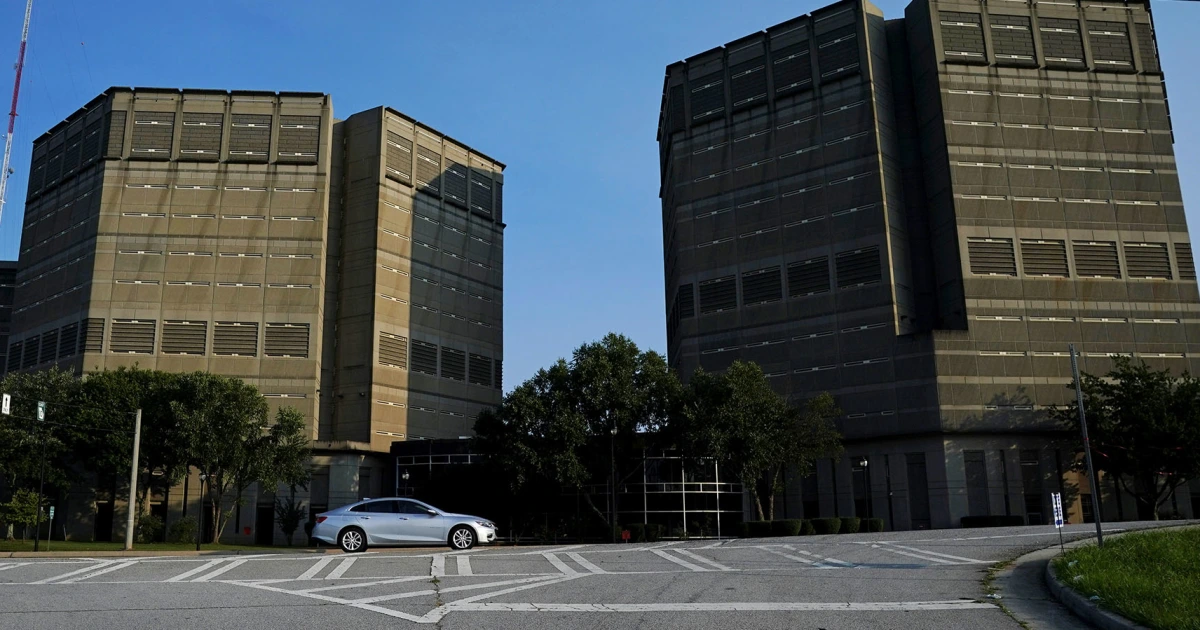
Three inmates who escaped from a Georgia jail hijacked a Lyft ride in Florida, kidnapped the driver for up to 10 hours, and used her credit cards to rent a property before being arrested, with two of them serving life sentences for murder.
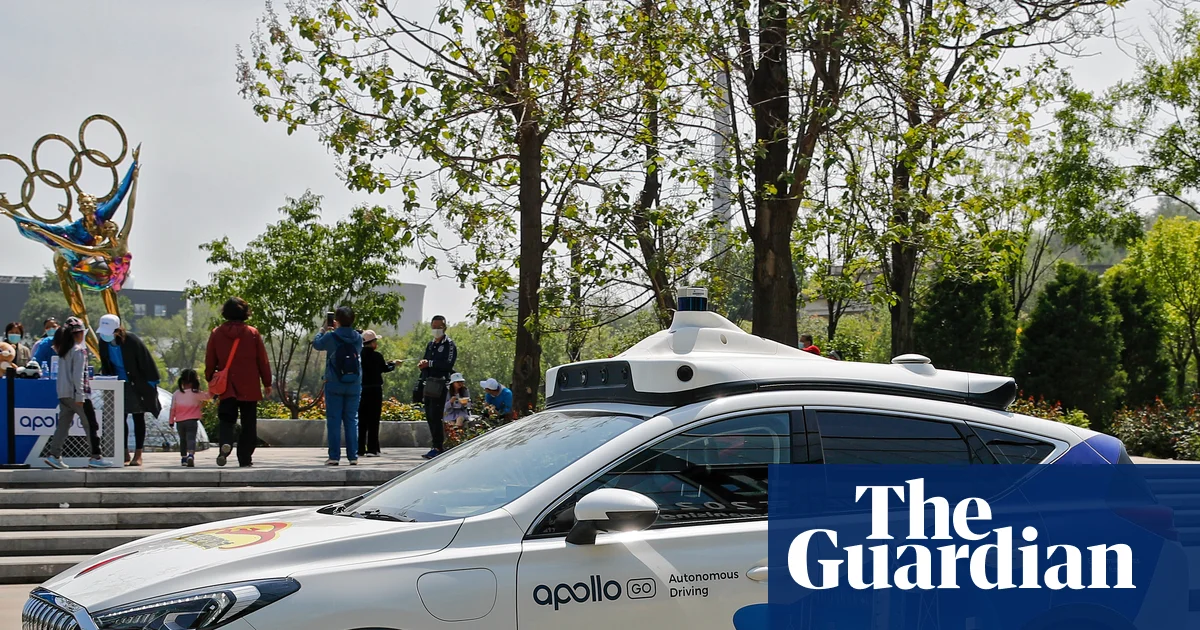
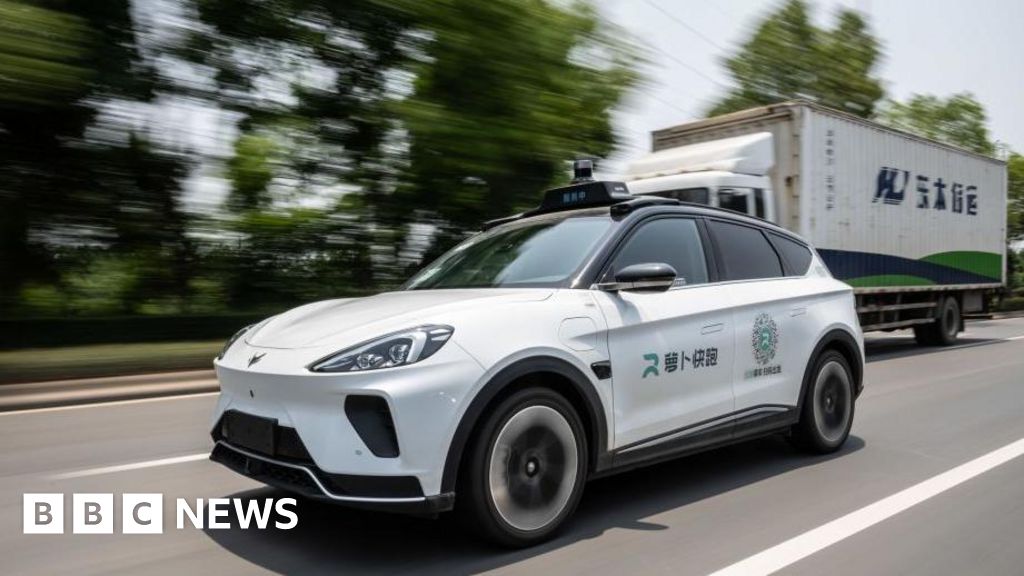
Chinese self-driving technology company Baidu is set to deploy robotaxis in London next year through partnerships with Lyft and Uber, marking a significant step in autonomous vehicle deployment in the UK, amid security concerns over Chinese technology dominance and data security. Lyft plans to test Baidu's Apollo Go cars in 2026, while Uber also announced plans to use Baidu's vehicles in London, as the UK government pushes to become a leader in driverless tech.
Uber and Lyft are partnering with China's Baidu to trial autonomous robotaxis in London starting in 2026, aiming to obtain regulatory approval. While Baidu's Apollo Go service is already operational in China, UK regulators and the public remain cautious about safety and trust issues related to driverless vehicles. The initiative aims to position the UK as a leader in future mobility, but safety concerns and regulatory hurdles need to be addressed before widespread deployment.
California has signed a law allowing over 800,000 ride-hailing drivers to unionize and bargain collectively, marking a significant expansion of private sector labor rights, alongside a measure to reduce insurance costs for companies like Uber and Lyft. The legislation aims to give drivers more voice and improve working conditions, despite some criticism that it doesn't go far enough in protecting workers' rights.