
AI Data Center Capacity Set to Double in 2026
SemiAnalysis projects global data center capacity will double to 51 gigawatts in 2026, driven by AI demand and modular construction techniques.

All articles tagged with #modular construction
SemiAnalysis projects global data center capacity will double to 51 gigawatts in 2026, driven by AI demand and modular construction techniques.
Democratic gubernatorial contenders Tom Steyer, Xavier Becerra, Katie Porter and Matt Mahan roll out ambitious housing plans for California, proposing targets like 1 million homes in four years (Steyer), 40,000 shovel-ready units in 100 days (Becerra), and a 20% reduction in construction costs (Porter) plus cost-cutting and modular-building strategies from Mahan. Analysts warn such lofty goals risk overpromising due to local control, permitting bottlenecks, and funding limits, echoing lessons from Newsom’s tenure about translating promises into delivery.
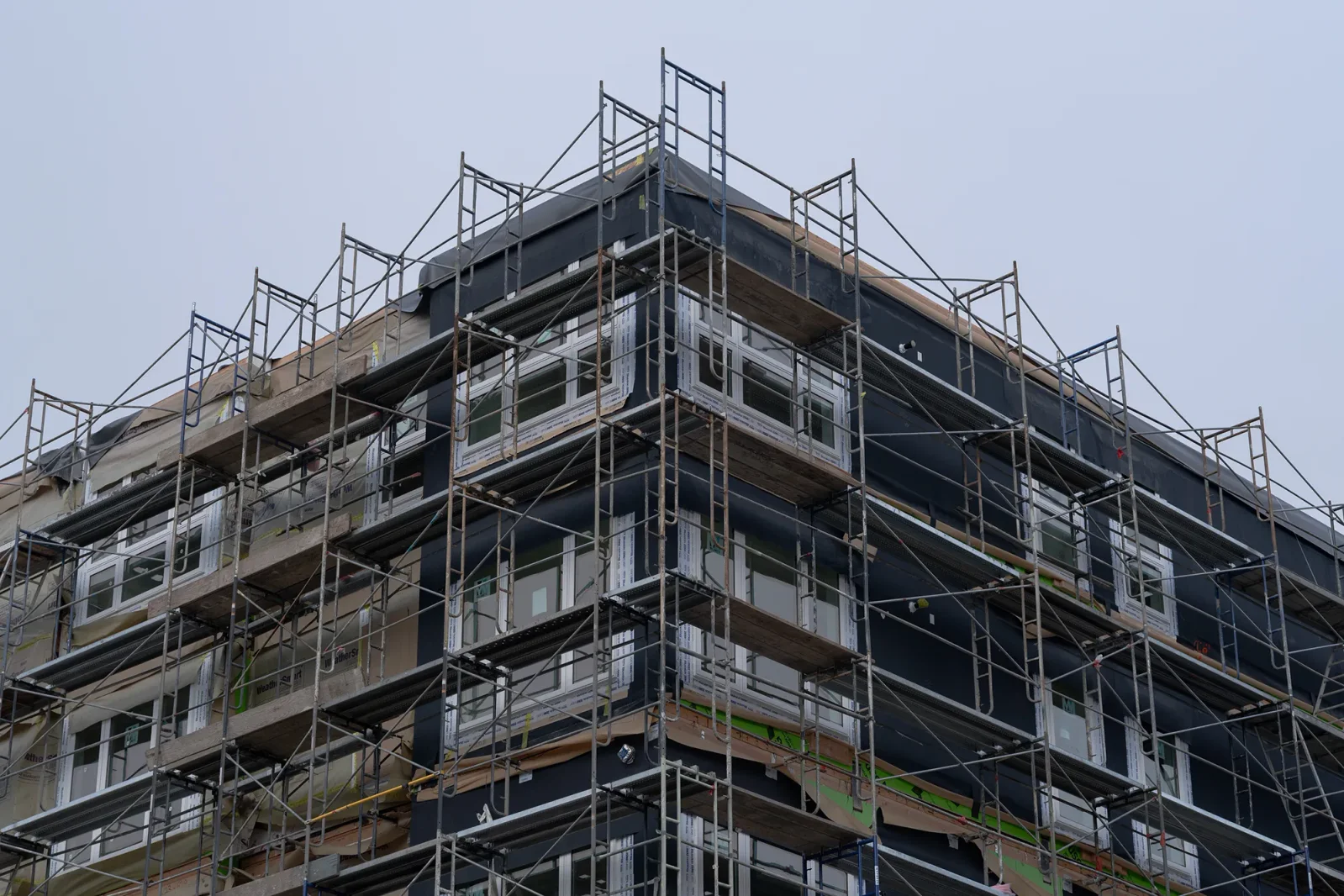
California lawmakers led by Assemblymember Buffy Wicks are reviving factory-built housing as a way to cut costs and speed up construction amid a housing shortage. The piece traces the idea’s long history—from early 1970s attempts to modern mass production to the collapse of Katerra—and outlines current momentum, including hearings and Terner Center research. The allure is potential hard-cost savings (roughly 10–25%) and faster timelines, but challenges loom: massive upfront factory costs, financing risks, the need for continuous production, local permitting and code hurdles, and labor politics. Proposals range from insuring projects to standardizing building codes and building a pipeline of off-site projects, but a scalable, statewide shift remains uncertain even as California presses ahead in 2026.
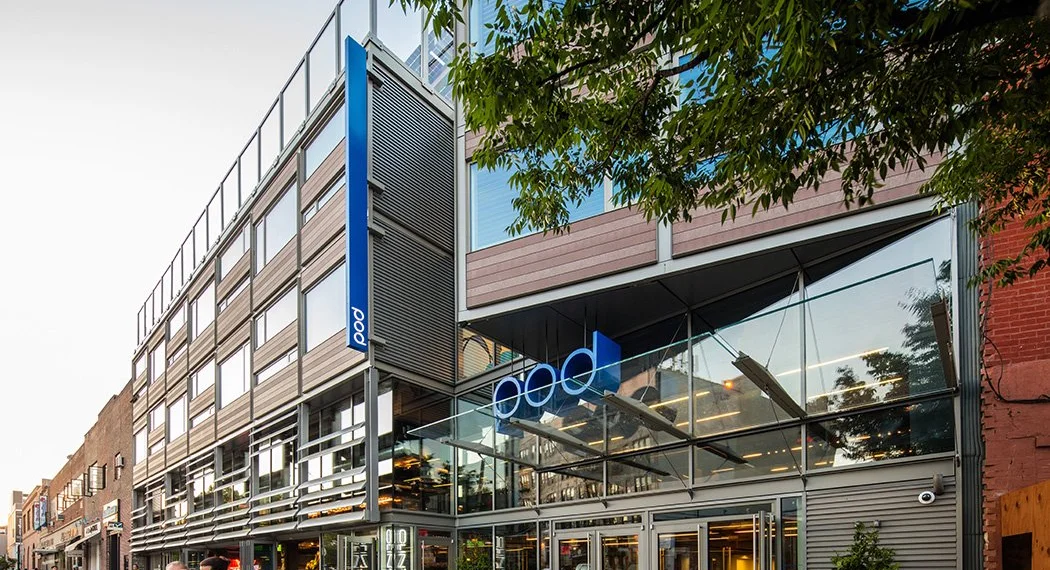
New York State is investing $50 million in modular construction to address the city's housing affordability crisis, aiming to develop faster and cheaper homes through factory-built methods. Despite past challenges and limited adoption in the U.S., the initiative seeks to leverage modular techniques to create affordable housing solutions, with hopes of overcoming industry resistance and past project setbacks.
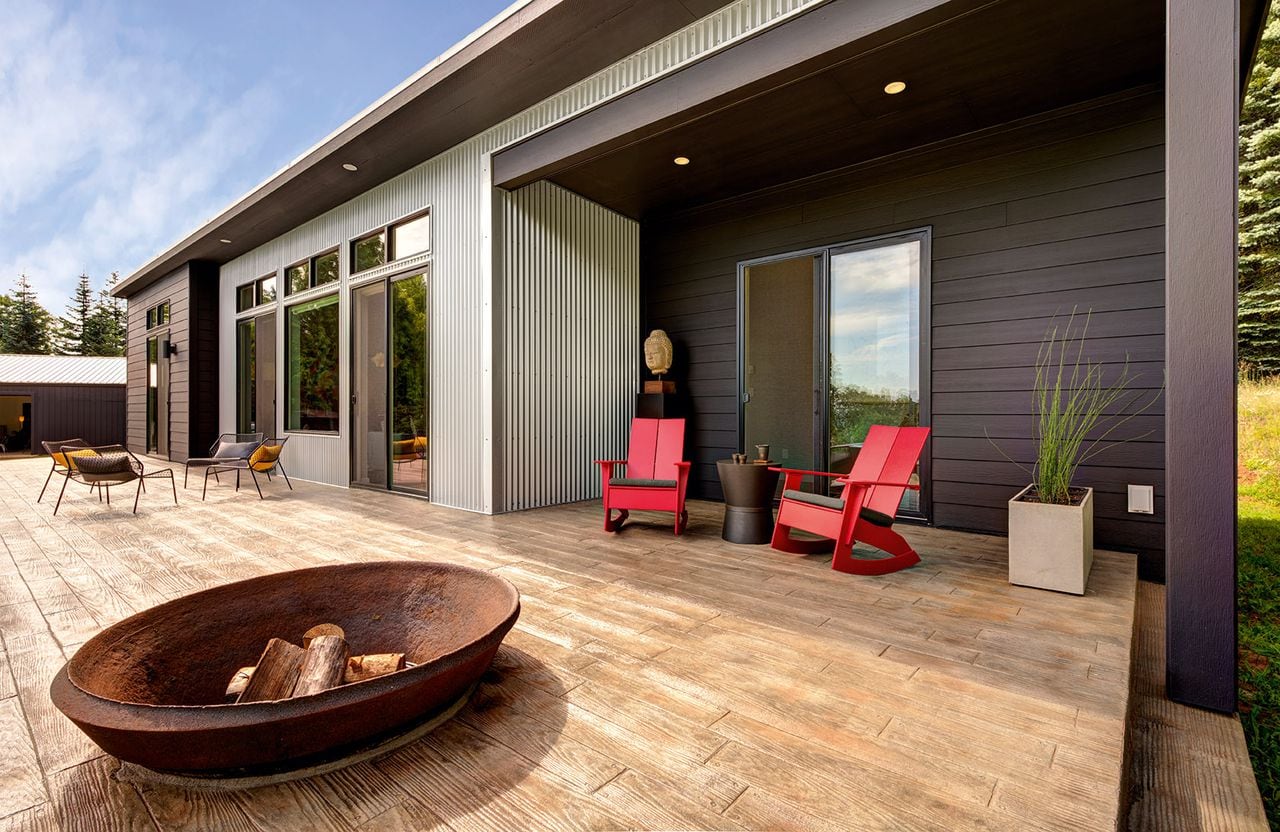
A couple in Newberg, Oregon, built a customized version of Ideabox's three-bedroom Fuse model, which was built in a factory and arrived on their property in two rectangular pieces. The modules were bolted together and later to the foundation, and the house was move-in ready in three weeks. Building in an enclosed factory with specialized equipment increases a home's energy efficiency, reduces construction waste, and improves working conditions for tradespeople. The cost of a prefab unit is more predictable than other types of construction, and modular homes are recognized as one of the fastest-growing segments of the residential building industry.