The Rams, after a Myles Garrett trade, are weighing Aaron Donald’s 11th-season return and would need cap-saving moves—like extending Kevin Dotson, Puka Nacua, Colby Parkinson, Kobie Turner, or restructuring Alaric Jackson—to create room with only about $1.3 million in cap space.
The NFL has set the 2026 salary cap at $301.2 million and kicked off the legal tampering period as Washington readies for a busy free‑agent cycle with new coordinators. The team has already signed Amik Robertson and re-signed several veterans including Tress Way, Andrew Wylie, Nick Allegretti, Deatrich Wise Jr., Shy Tuttle, Drake Jackson, Jake Moody, and even extended Laremy Tunsil, while evaluating pending free agents such as Deebo Samuel, Marcus Mariota, and others. Washington aims to improve on last season’s 5‑12 record and rebuild around QB Jayden Daniels, with rumors of additional moves and veteran departures already swirling.
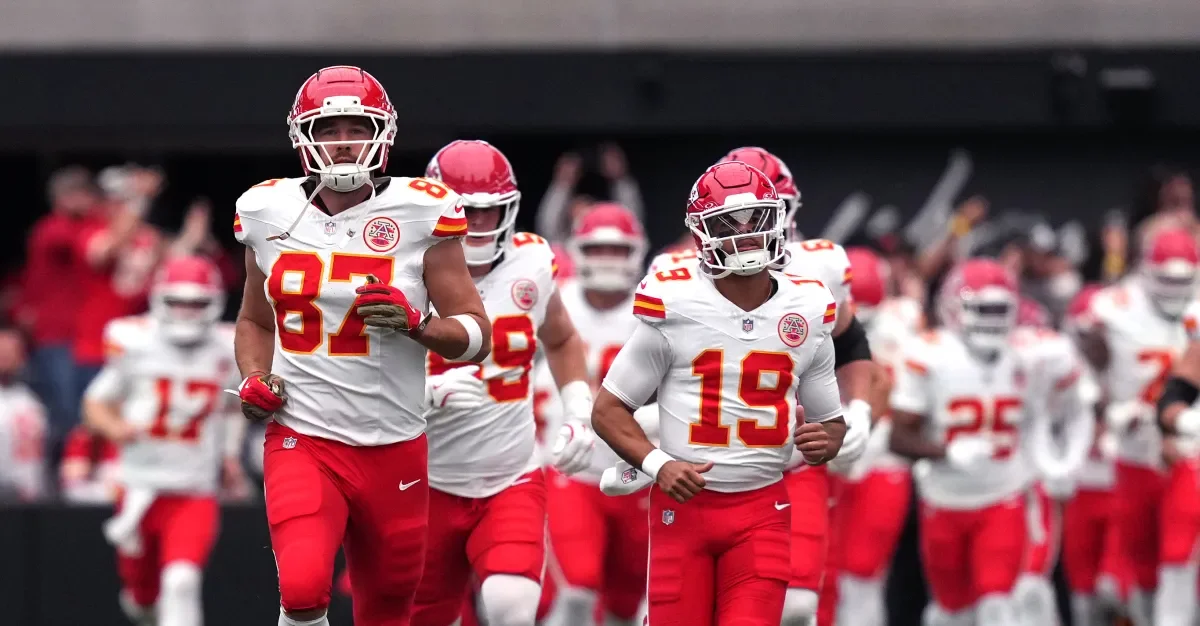
NFL set the 2026 salary cap at $302.1 million per club, a $22 million rise from 2025, with the Chiefs about $8.6 million over the cap as the March 11 deadline approaches. A potential release of right tackle Jawaan Taylor could save $19.1 million, and restructuring Chris Jones’ contract could add roughly $22.5 million in cap space. The finalized franchise/transition tag numbers and the $14.5 million fifth-year option for Felix Anudike-Uzomah are also in play, with KC likely declining that option after his 2025 hamstring injury.
Kansas City remains well over the NFL cap even after a Mahomes restructuring. The clearest path to getting below the $303M limit before the 2026 league year starts is to cut right tackle Jawaan Taylor, which would save about $20M but incur roughly $7M in dead money, potentially placing the team around $4–5M under the cap. Danna and Tranquill are other plausible cuts to gain additional room, but a lengthy list of unrestricted free agents and further moves will still be needed to stabilize the 2026 roster.
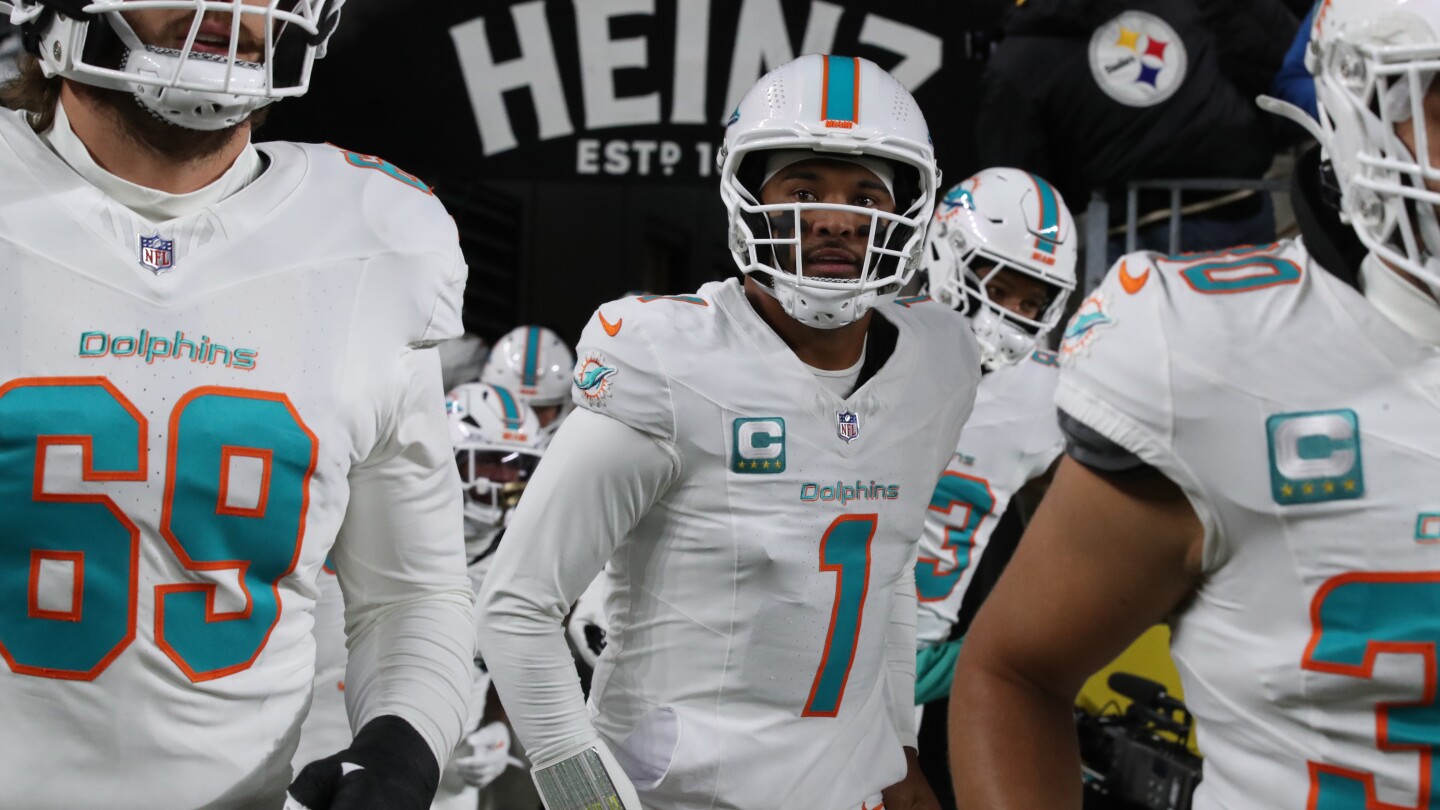
The Miami Dolphins face a complex decision regarding quarterback Tua Tagovailoa for the 2026 season, considering his guaranteed salary, injury guarantees, and cap implications. Options include trading, releasing, or keeping him as a backup, with the most likely move being a post-June 1 release to manage cap charges, similar to the Broncos' approach with Russell Wilson. The decision hinges on team strategy and fan reactions.
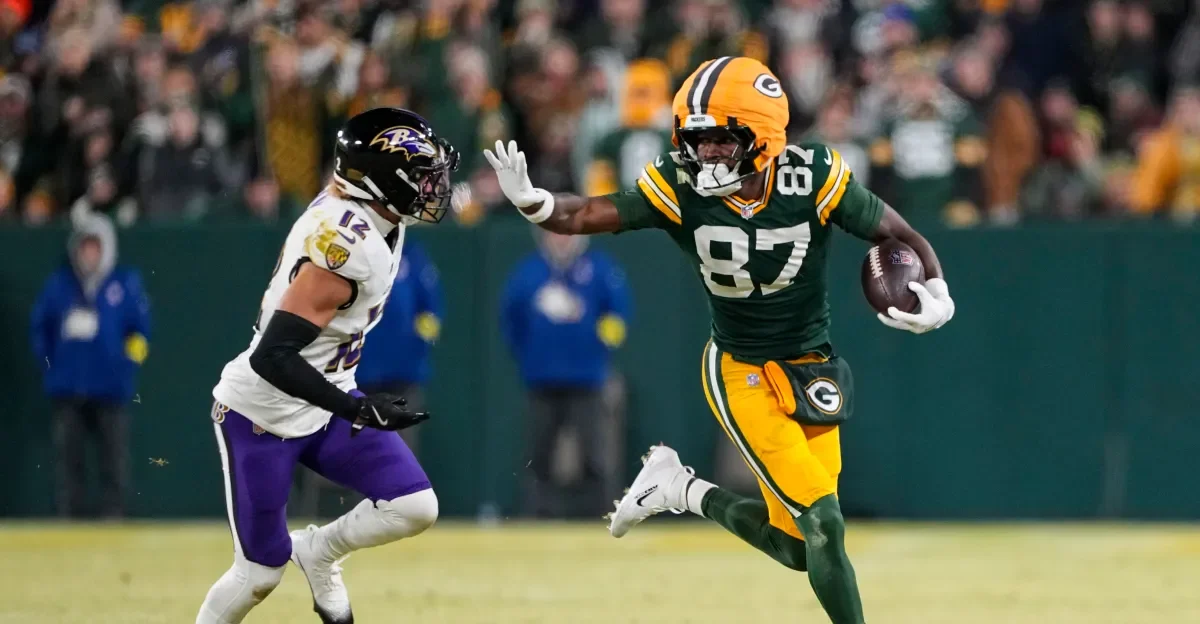
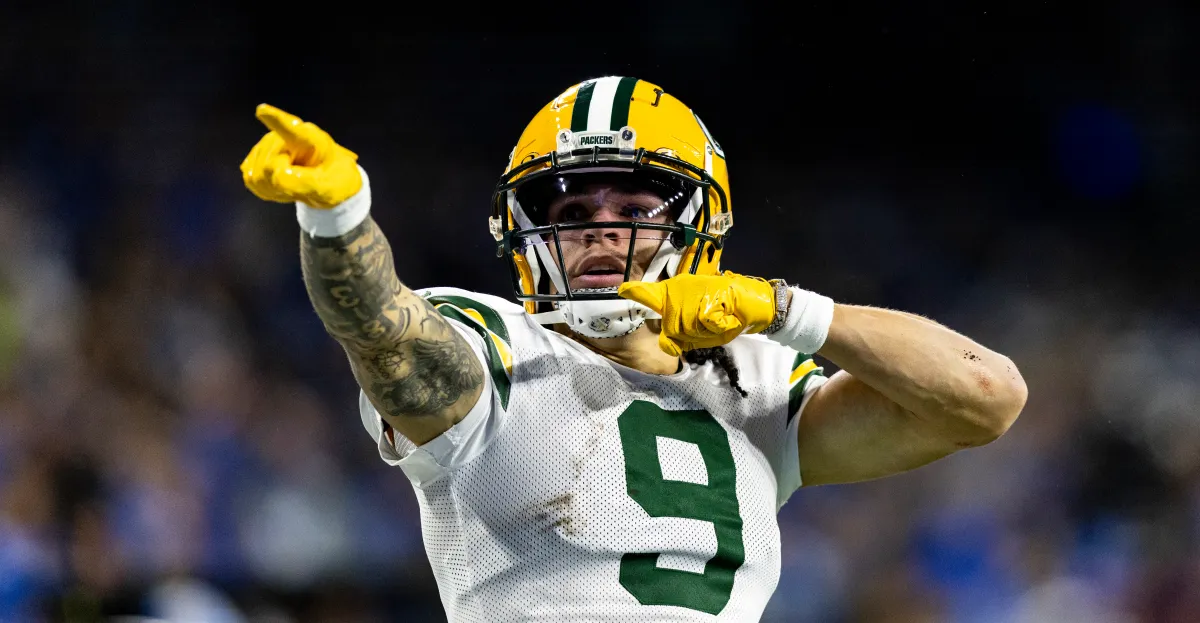
Christian Watson's contract extension with the Green Bay Packers includes a $6.07 million signing bonus, a base salary of $1.1 million in 2024, and incentives that could raise his max earnings to $13.5 million. The deal features complex cap implications depending on his game participation and incentive achievement, with potential cap hits ranging from about $4.6 million to $8.3 million in 2025.
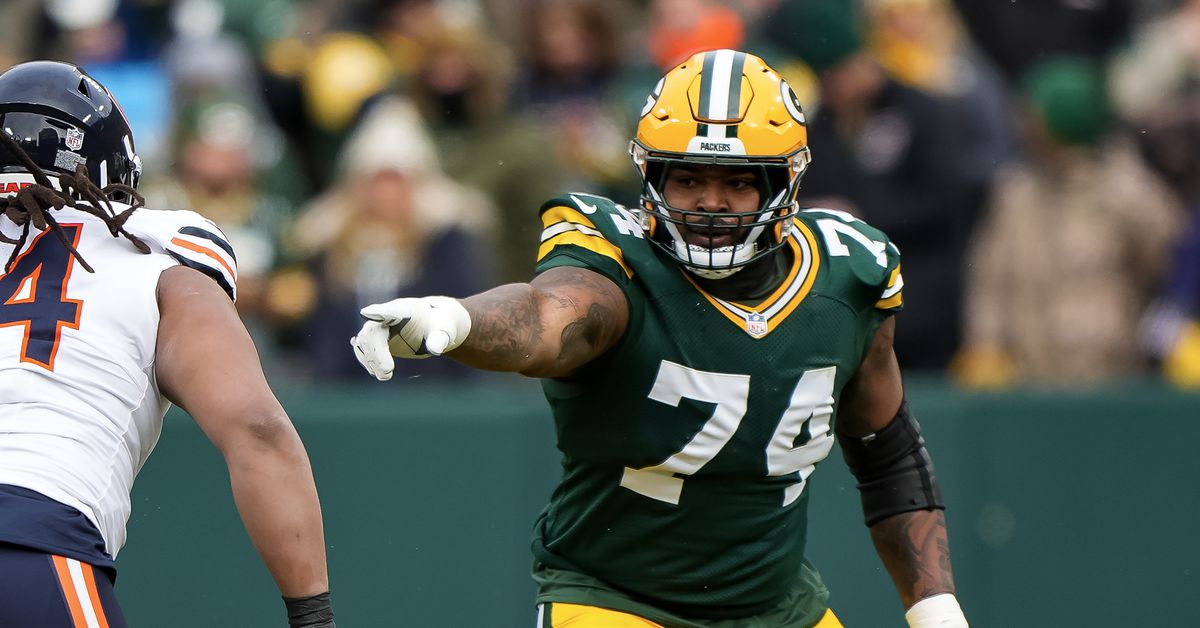
The article discusses potential compromises between the Green Bay Packers and offensive lineman Elgton Jenkins amid a hold-in situation, exploring options like converting his 2026 salary into a roster bonus to provide flexibility for both parties, considering Jenkins' contract concerns and the team's cap strategy.
The NFL announced a 2024 salary cap of $255.4 million, providing the Kansas City Chiefs with more cap space than previously projected. This increase could impact decisions regarding players like Chris Jones and L’Jarius Sneed, as well as potential moves in free agency. However, the higher cap also means increased competition for top talent and could affect future contract negotiations, including those of quarterback Patrick Mahomes.
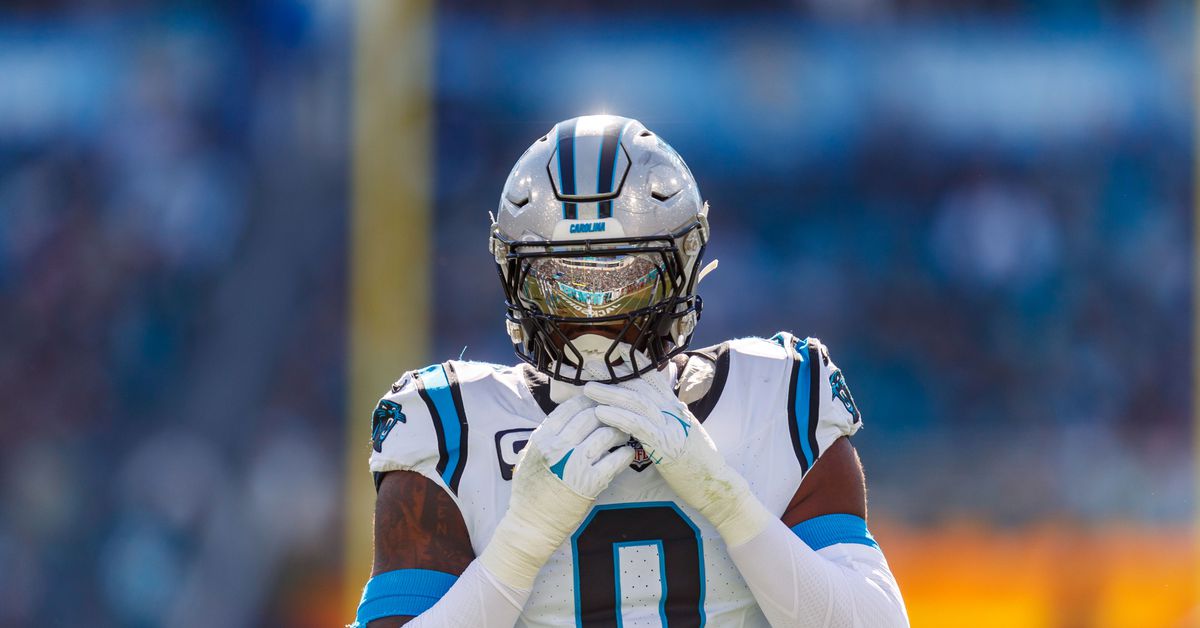
The Carolina Panthers are facing a decision on whether to retain edge rusher Brian Burns, who is seeking a lucrative new deal averaging $30M per year. With limited cap space and the option to use the franchise tag, the team must weigh the cost of retaining Burns against their other roster needs. Despite his potential, Burns' production may not justify such a high salary, but the Panthers have the financial flexibility to make it work if they choose to do so.