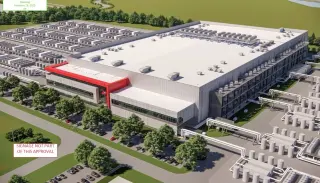
QTS is advancing two expansions at its Henrico hub (RIC4 and RIC5), adding 1,100 acres and nearly 8 million sq ft across 17 data centers, and seeking permits for about 370 more emergency generators; timelines for construction are not disclosed.
An investigation in Fayette County, Georgia found that Quality Technology Services’ data center used nearly 30 million gallons of water without being billed due to two unmonitored hookups (one installed without the utility’s knowledge and the other not linked to the account). The county, understaffed and transitioning to smart meters, retroactively billed QTS but imposed no penalties, prompting resident anger and questions about oversight. The episode underscores broader concerns about AI/data-center water demand and highlights the need for better monitoring, leak detection, and environmental reviews before approving new centers.
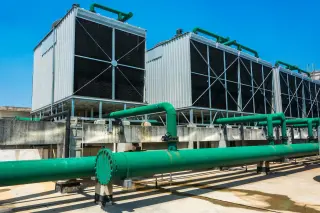
A Fayette County metering lapse let a QTS data-center campus use more than 29 million gallons without billing during a transition to cloud-based meters; retroactive charges of about $147,474 have been issued and paid, with unbilled usage estimated at 4–15 months. The company says the spike was construction-related, and the completed campus will rely on a closed-loop cooling system with minimal long-term water use. The episode has intensified concerns about drought, residential-water pressure, and the growth of data centers, prompting local bans on new centers while officials note the economic potential.
Residents in Fayetteville, GA, noticed unusually low water pressure, triggering an investigation that revealed two industrial water hookups feeding Quality Technology Services’ data center campus. One connection was installed without the utility’s knowledge and the other wasn’t billed, leaving the center owing roughly $147,000 for about 29–30 million gallons of unaccounted water during the county’s transition to smart meters. After the retroactive charges were paid and meters integrated, officials cited a procedural mix-up. The case has fueled local backlash against rapid data-center growth amid drought concerns, even as QTS argues its cooling is largely closed-loop and that full-water use will be domestic once the campus is fully operational.
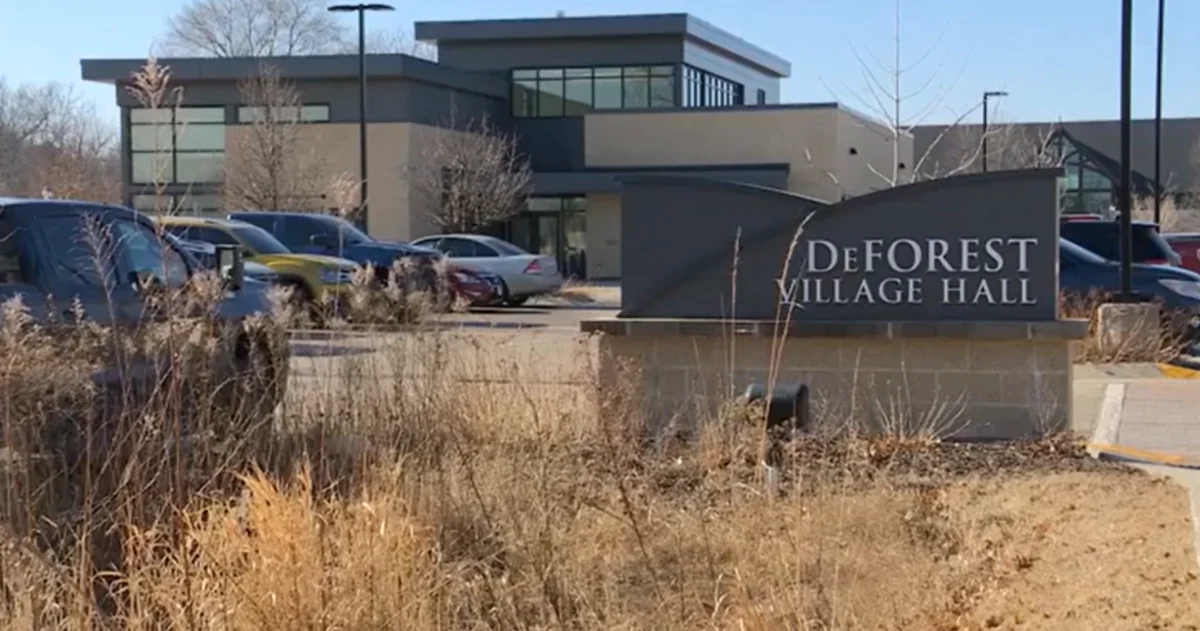
QTS says it will not move forward with its proposed DeForest data center, noting that now is not the right time after extensive community discussions; the company will continue its $1.5 million partnership with UW–Madison to advance research into responsible data center development.