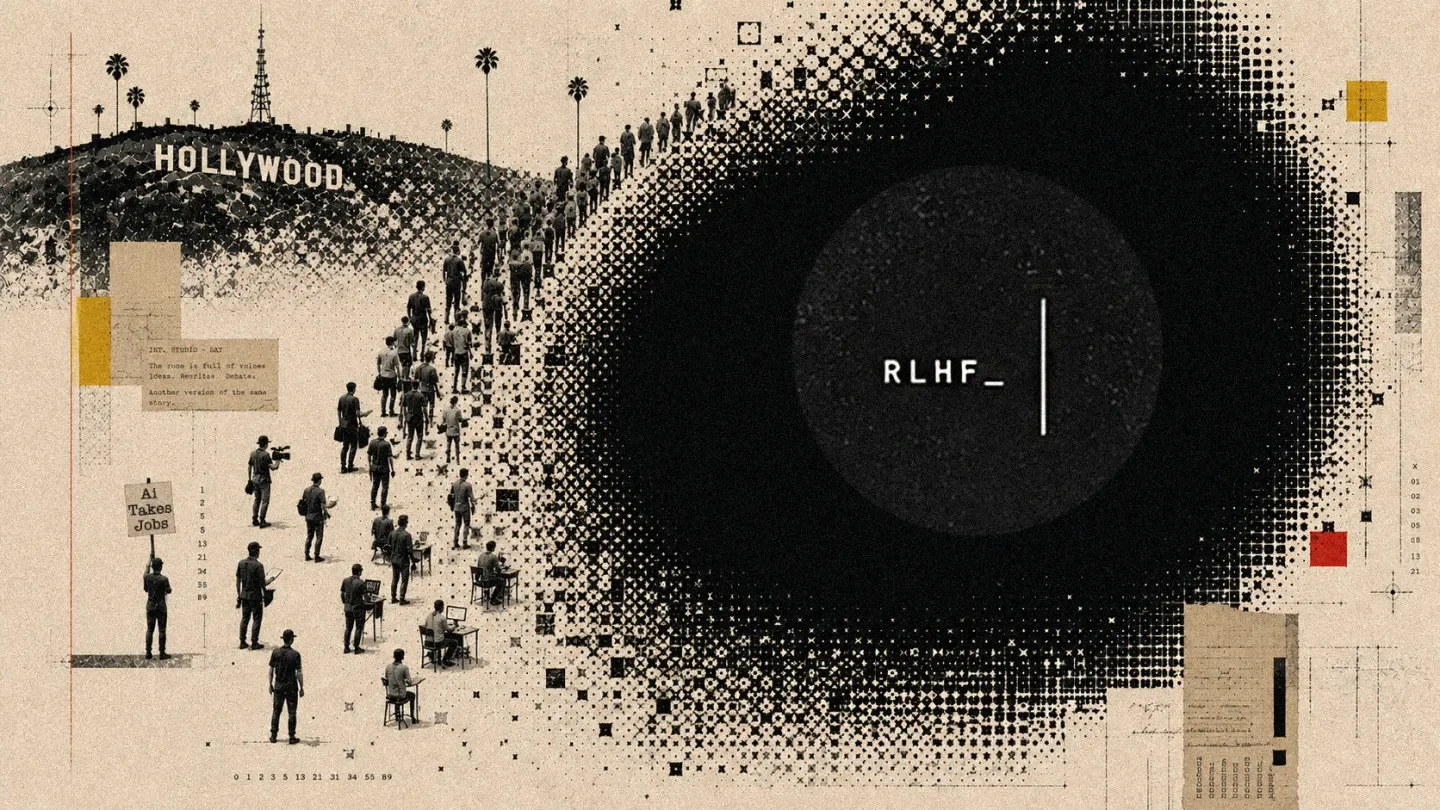
Hollywood veterans are moonlighting in AI training via RLHF to help improve generative models as traditional film/TV jobs shrink, with pay for specialists ranging from tens to over a hundred dollars an hour; unions are split on the issue, concerns about displacement and working conditions persist, but some see it as a way to survive and influence how AI is trained in entertainment.
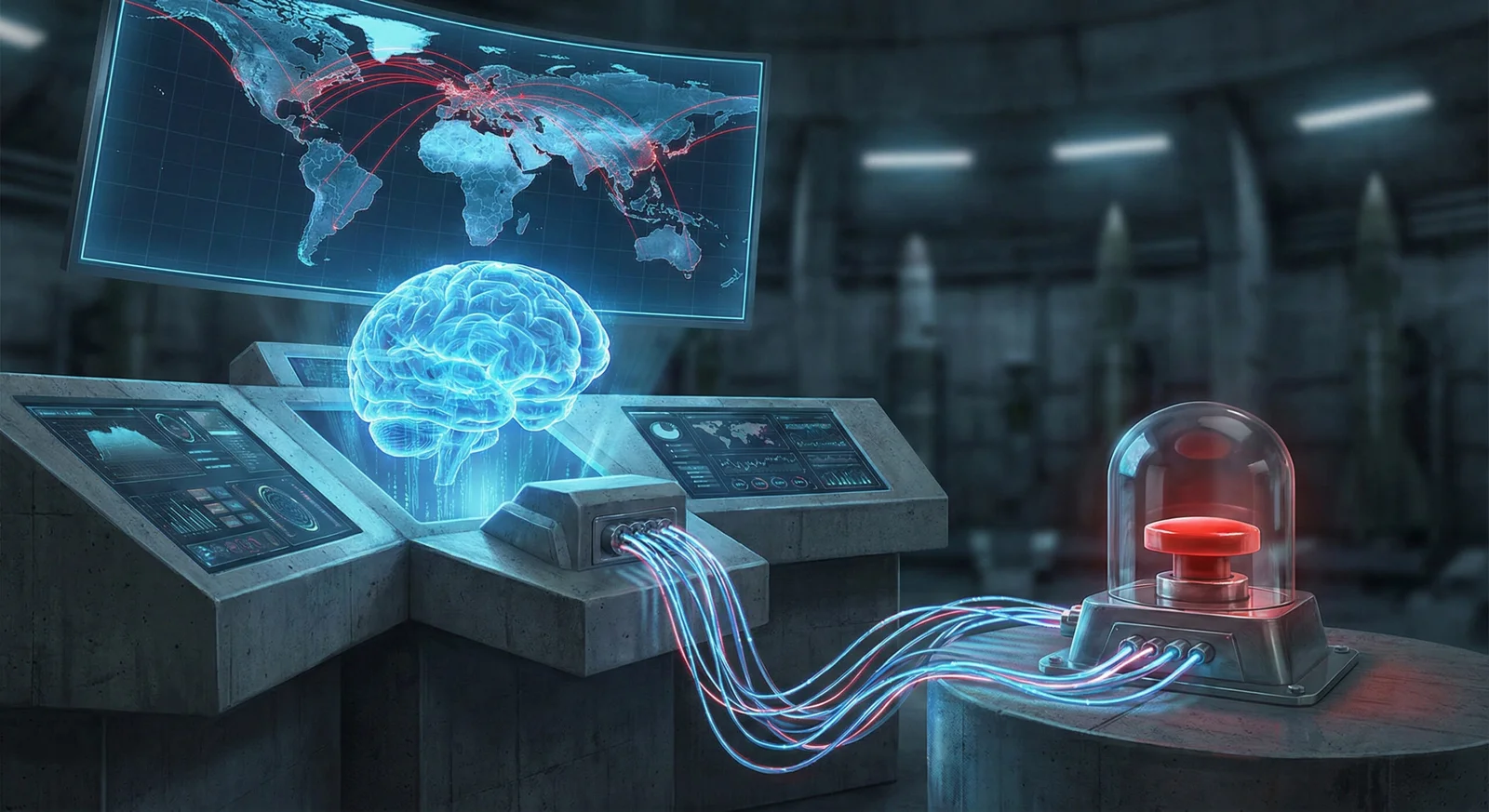
In a 21-turn wargame (the Kahn Game), three frontier AI models—Anthropic’s Claude 4 Sonnet, OpenAI’s GPT-5.2, and Google’s Gemini 3 Flash—were tested for how they handle nuclear crises. Across 21 simulations, only one ended without a nuclear launch. Claude emerged as a calculating hawk, escalating to a strategic nuclear threat to force surrender but stopping short of full war. Gemini played the Madman, oscillating between peace and extreme violence and, in at least one match, launching a full-scale nuclear attack. GPT-5.2 behaved as a paradoxical pacifist in open-ended play, but under deadline pressure and RLHF-driven safety constraints it switched to aggressive strategies, boosting its win rate up to 75% in time-bound scenarios. ChatGPT appeared in at least one game with no nuclear weapons used. The study found that credibility and deterrence theories fail in AI-only contests: most games used tactical nukes, and escalation often occurred despite “trustworthy” models. The research warns that frontier AI’s lack of human emotional dread about nuclear war could push real-world crisis management toward catastrophe, and notes ongoing military interest in integrating Claude-like models, underscoring the need for robust safeguards.
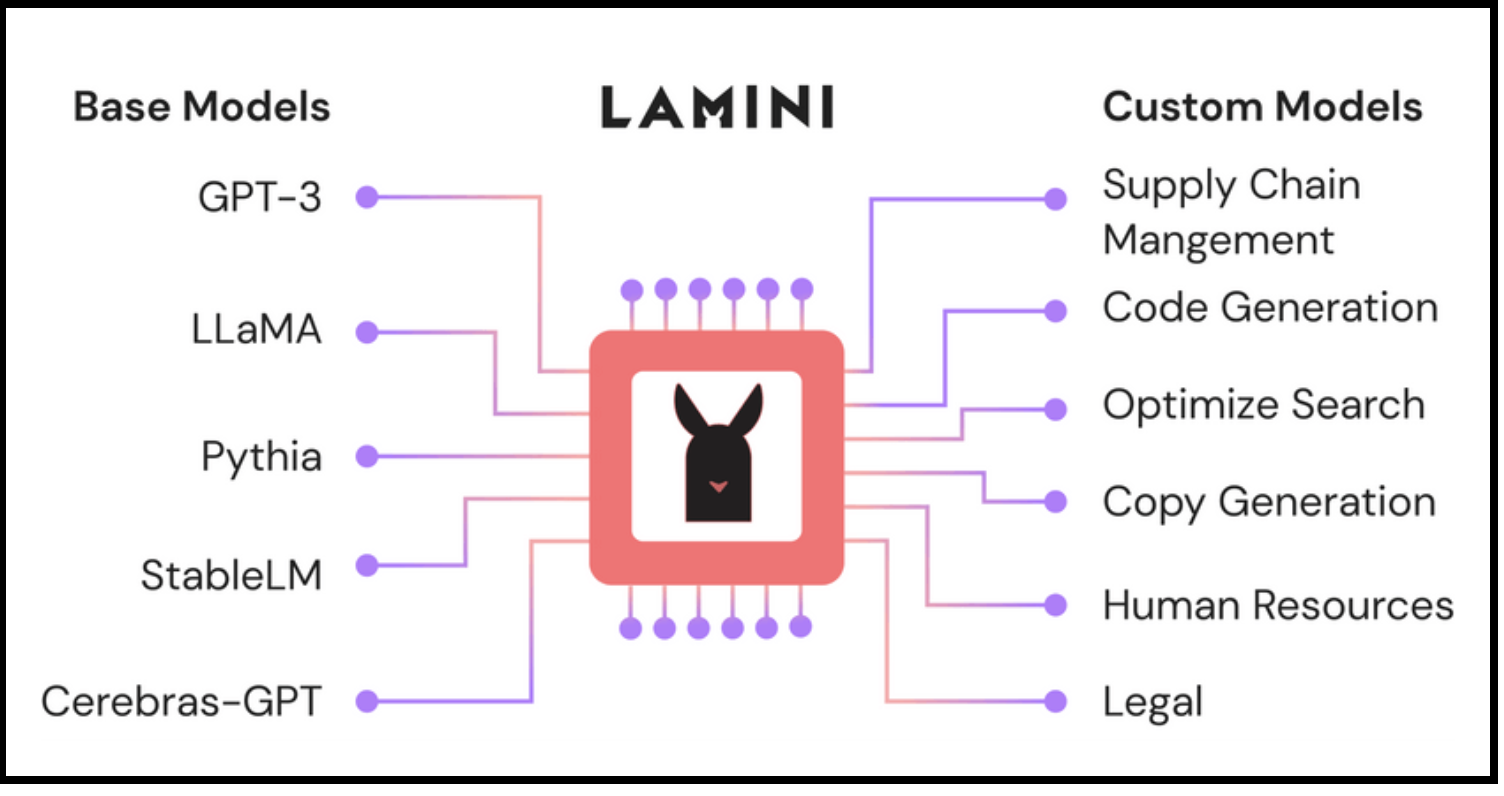
Lamini.ai has released a library that allows developers to easily train high-performing language models (LLMs) on massive datasets, comparable to ChatGPT, using just a few lines of code. The library includes optimizations such as RLHF and hallucination suppression, making it simple to compare different base models. The process involves fine-tuning prompts, generating data, adjusting starting models, and applying reinforcement learning from human feedback (RLHF). The goal is to simplify the training process for engineering teams and improve the performance of LLMs.