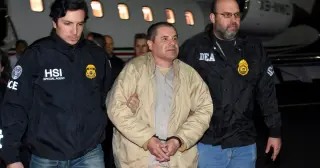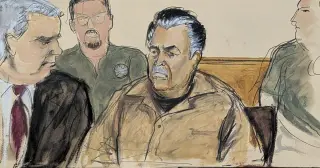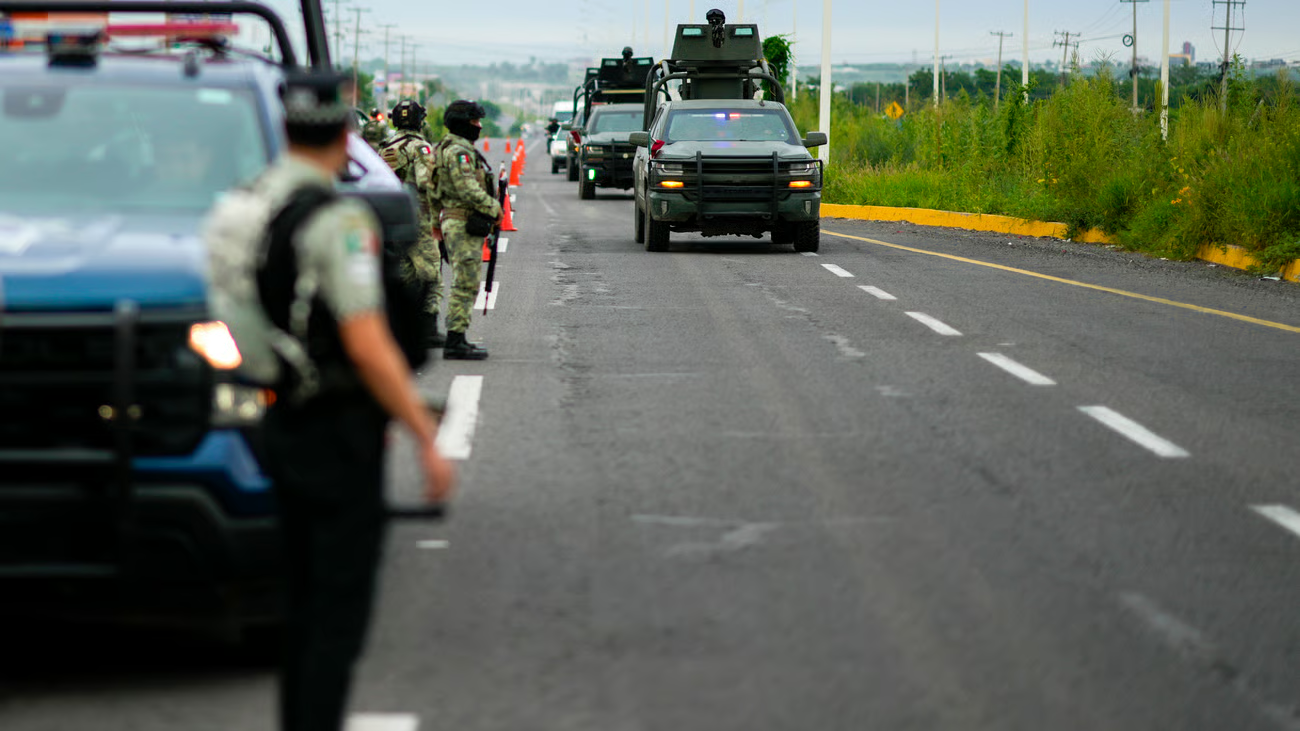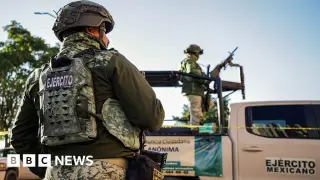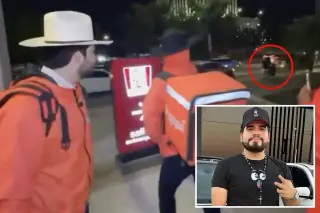
Mexican security forces arrested Isai 'N', the US-wanted nephew of drug lord Joaquin 'El Chapo' Guzmán, in Sonora; authorities also seized 687 kilograms of cocaine, 151 firearms and 18 grenades at a separate location as part of ongoing crackdown, while El Chapo remains jailed in Colorado awaiting further U.S. cases.
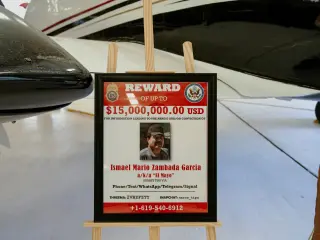
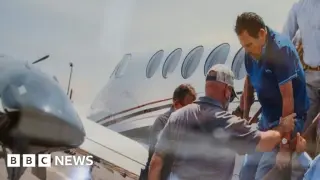
A U.S. indictment accuses Sinaloa Governor Rubén Rocha Moya of allowing cartel influence to gain power, ties him to Los Chapitos led by El Chapo’s sons, and recounts a high-profile kidnapping of Ismael 'El Mayo' Zambada as part of cartel power plays, signaling ongoing cross-border corruption probes and potential further charges against Mexican officials.
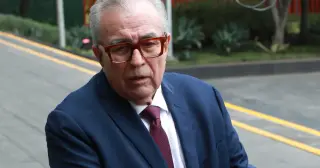
The governor of Sinaloa, Ruben Rocha Moya, temporarily steps down after the U.S. DOJ charged him and others with narcotics importation conspiracy and weapons offenses tied to the Sinaloa cartel; he denies the charges, another official also resigns, and the move marks a rare instance of U.S. charges against a sitting Mexican governor, testing Mexico‑U.S. relations.
The U.S. Department of Justice unsealed a 34-page indictment charging the governor of Sinaloa and nine other current or former Mexican officials with helping the Sinaloa cartel import fentanyl, heroin, cocaine and methamphetamine into the United States in exchange for bribes and influence. Prosecutors say the governor, along with other officials, aided cartel operations, including manipulating elections and placing cartel-friendly officials in power; one former police commander is accused of kidnapping and killing enemies, including a DEA source and a 13-year-old victim. Defendants face decades to life in prison if convicted. The Sinaloa cartel leadership, including the Chapitos and other founders, are also referenced as background context in ongoing U.S. prosecutions.
U.S. federal prosecutors in Manhattan unsealed an indictment charging 10 current and former Mexican officials, including Sinaloa state Governor Rubén Rocha Moya, with narcotics importation conspiracy and weapons offenses for allegedly aiding the Sinaloa cartel to ship fentanyl, heroin, cocaine and meth into the United States. Several suspects are tied to Morena, Mexico’s ruling party, and Mexico says it will review extradition requests; none are in custody. If convicted, Rocha Moya could face life in prison or a 40-year minimum. The case highlights broader U.S. efforts to crack down on corruption linked to organized crime, and the governor has denied the charges.
U.S. prosecutors charged Rubén Rocha Moya, the governor of Sinaloa, and nine other current or former Mexican officials with conspiring with the Sinaloa Cartel to import large quantities of narcotics into the United States in exchange for political support; Rocha Moya denies the charges.
US prosecutors charged Sinaloa state governor Ruben Rocha Moya and nine other current or former officials with conspiring with the Sinaloa Cartel to import large quantities of narcotics into the United States in exchange for political support and bribes; Mexico contested the evidence, and the indictment filed in New York also alleges ties to the Los Chapitos faction while asserting that the cartel exploited public offices to shield its operations.
U.S. prosecutors charged the governor of Sinaloa and nine other current or former Mexican officials with conspiring with the Sinaloa Cartel to import large quantities of drugs into the United States in exchange for bribes and political support, alleging the cartel operated with impunity and that officials received monthly payments; Rocha Moya denies the accusations and extradition proceedings are underway.
US prosecutors in Manhattan charged Sinaloa governor Rubén Rocha Moya and nine other current or former officials with narcotics importation conspiracy and related weapons counts, alleging they helped the Sinaloa cartel move fentanyl, heroin, cocaine and meth into the United States. If convicted, Rocha Moya could face life in prison or a 40-year minimum. Rocha Moya denies the charges as slander, while extradition requests from the US are under consideration, highlighting ongoing cross-border efforts to curb cartel influence in politics and crime.
U.S. prosecutors unsealed a 34-page indictment charging Sinaloa Gov. Rubén Rocha Moya and several current and former Mexican officials with narcotics and gun crimes tied to the Sinaloa cartel’s Los Chapitos, alleging monthly bribe payments and cartel-backed influence that helped smuggle fentanyl, heroin, cocaine and meth into the United States. The case, which could carry life sentences, marks the first indictment of a sitting Mexican governor and comes as Mexico faces delicate bilateral dynamics ahead of US‑Mexico‑Canada trade talks; two of El Chapo’s sons are in U.S. custody and reportedly cooperating, while Rocha Moya and others deny the charges and extradition requests are being reviewed.
U.S. prosecutors in SDNY unsealed an indictment charging 10 current and former Sinaloa officials, including the state governor, with conspiring with the Sinaloa Cartel to import fentanyl, heroin, cocaine, and meth into the United States and to protect cartel operations in exchange for bribes; one defendant is also charged in relation to kidnapping and killings of a DEA source, illustrating alleged violence and corruption linked to the cartel’s network.
U.S. prosecutors unsealed an indictment charging Rubén Rocha Moya, governor of Sinaloa, and other Mexican officials with a yearslong scheme to shield the Sinaloa cartel from arrest in exchange for bribes and political support, including help in elections; Rocha Moya is the highest-ranking Morena official indicted in the United States.
Mexican forces killed Nemesio Oseguera Cervantes, aka El Mencho, head of the CJNG. Analysts say his death could disrupt the cartel but is unlikely to stop drugs reaching Chicago, as other networks (notably the Sinaloa cartel) and remaining middlemen adapt. Experts urge a broader, multi-network strategy and closer U.S.-Mexico collaboration, warning that narco-violence could spill further in Mexico even as trafficking routes shift to other cartels.
U.S. prosecutors unsealed a superseding indictment charging René Arzate-García, a Sinaloa Cartel plaza boss in Tijuana, with narcoterrorism and providing material support to terrorism for trafficking fentanyl, cocaine, methamphetamine and marijuana into the United States; his brother Alfonso Arzate-García is also wanted. The State Department has offered up to $5 million rewards for information leading to their arrest or conviction, as part of a coordinated effort by multiple agencies to dismantle the cartel. The case, prosecuted in the Southern District of California, highlights ongoing efforts to disrupt the cartel’s U.S. operations and impose severe penalties, including potential life sentences.
A superseding indictment accuses René Arzate-García, aka “La Rana,” a Tijuana plaza boss for the Sinaloa Cartel, of narcoterrorism and providing material support to terrorism in connection with trafficking fentanyl, cocaine, methamphetamine and marijuana into the United States. Rewards of up to $5 million are offered for him and his brother Alfonso Arzate-García as part of a coordinated effort by the DOJ, FBI, DEA and the State Department to dismantle the cartel and curb border drug flow.