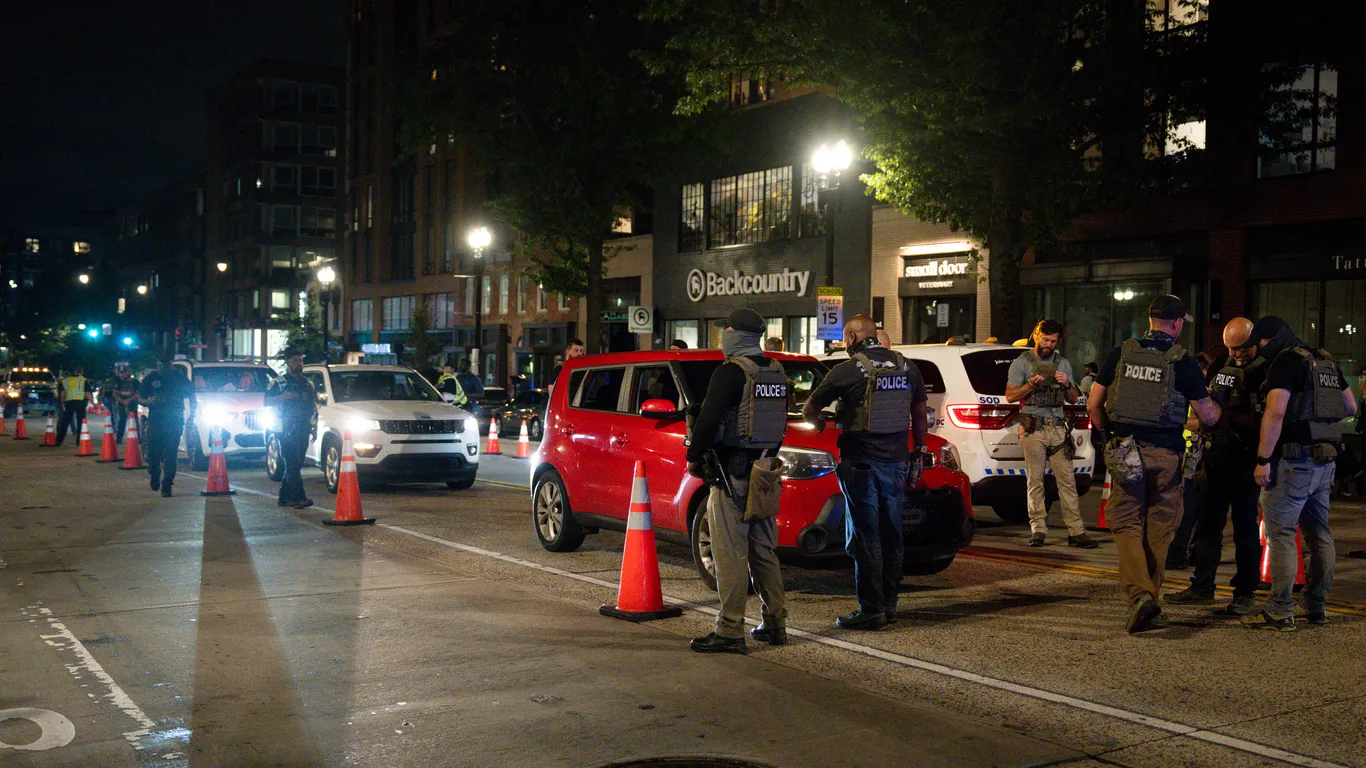
ICE issued a new memo restricting vehicle stops to trained officers and banning high-speed pursuits. The guidance follows a series of fatal shootings and internal conflicts within the Trump administration over immigration enforcement tactics.
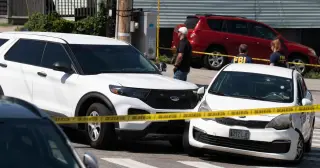
Baltimore police officer Dequwan Houchins, 30, is indicted on four counts of false entry and five counts of misconduct for allegedly recording traffic stops he didn’t make to dodge service calls. An undercover sting showed nine legitimate and eight illegitimate stops, and he reportedly sat idle or ordered a smoothie while claiming to be stopping, with no required body-camera footage filed. If convicted on the false-entry charges, he could face up to 12 years in prison and $4,000 in fines per count; officials condemned the alleged misconduct.
New Hampshire state Rep. Ellen Read faces speeding charges after a deputy alleged she drove 107 mph, a case that spotlights Rockingham County’s lack of body-worn and dashboard cameras due to funding. Read contends the state constitution provides immunity for lawmakers traveling to and from legislative duties, while others say it isn’t absolute. The state has a 2021 grant program to help agencies buy cameras, but it’s unclear whether Rockingham applied. Read says she would have used a dash cam and disputes the deputy’s speed claim, while prosecutors note there’s no official body- or dash-camera footage of the stop.
ICE briefly paused most vehicle stops but then reinstated them after the White House directed a tougher approach, as lawmakers and local officials push back. The policy shift coincides with two fatal shootings by ICE agents tied to traffic stops, prompting questions about safety and training. DHS says additional training and clearer use-of-force guidelines are in place, but critics warn the tactic remains dangerous and risky for officers and the public.
Trump said ICE should continue using traffic stops after a DHS directive paused the tactic pending officer training following fatal shootings in Maine and Houston; the DHS memo did not confirm a reversal, and the move renews scrutiny of ICE enforcement tactics amid ongoing debates over immigration enforcement.
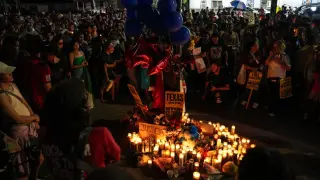
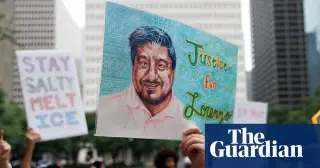
The White House overrode a DHS memo that briefly paused ICE traffic stops, opting to continue the practice after two unarmed men were fatally shot in separate incidents; Trump defended the policy as essential, while civil rights groups condemned the shootings as extrajudicial and warned the approach risks further harm and accountability issues.
President Donald Trump urged ICE to continue traffic stops even as the agency pauses them after fatal shootings in Maine and Texas, arguing the tactic is essential to remove criminals; the policy change follows a string of deadly enforcement incidents and drew criticism from lawmakers and policing experts who warn that shooting into moving vehicles is dangerous.
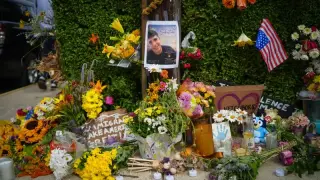
Trump pressed ICE to restart traffic stops after his administration paused them following two fatal shootings of people encountered during federal immigration operations in Maine and Texas; the victims—Durán Guerrero (26, Colombia) in Biddeford and Salgado Araujo (52, Mexico) in Houston—were not the targets of the enforcement actions. DHS announced a rapid rollout of body cameras as investigations by the Maine attorney general, DHS Inspector General, FBI Houston, and other agencies proceed.
President Trump proposed using traffic stops nationwide to identify and target undocumented immigrants, following his temporary control of Washington D.C.'s police and efforts to involve federal agencies like ICE, despite D.C.'s longstanding pro-immigration policies.
A former police officer is accused of taking nude images from women's phones during traffic stops, according to U.S. authorities. This misconduct highlights serious privacy violations and abuse of power, prompting legal action against the ex-officer.
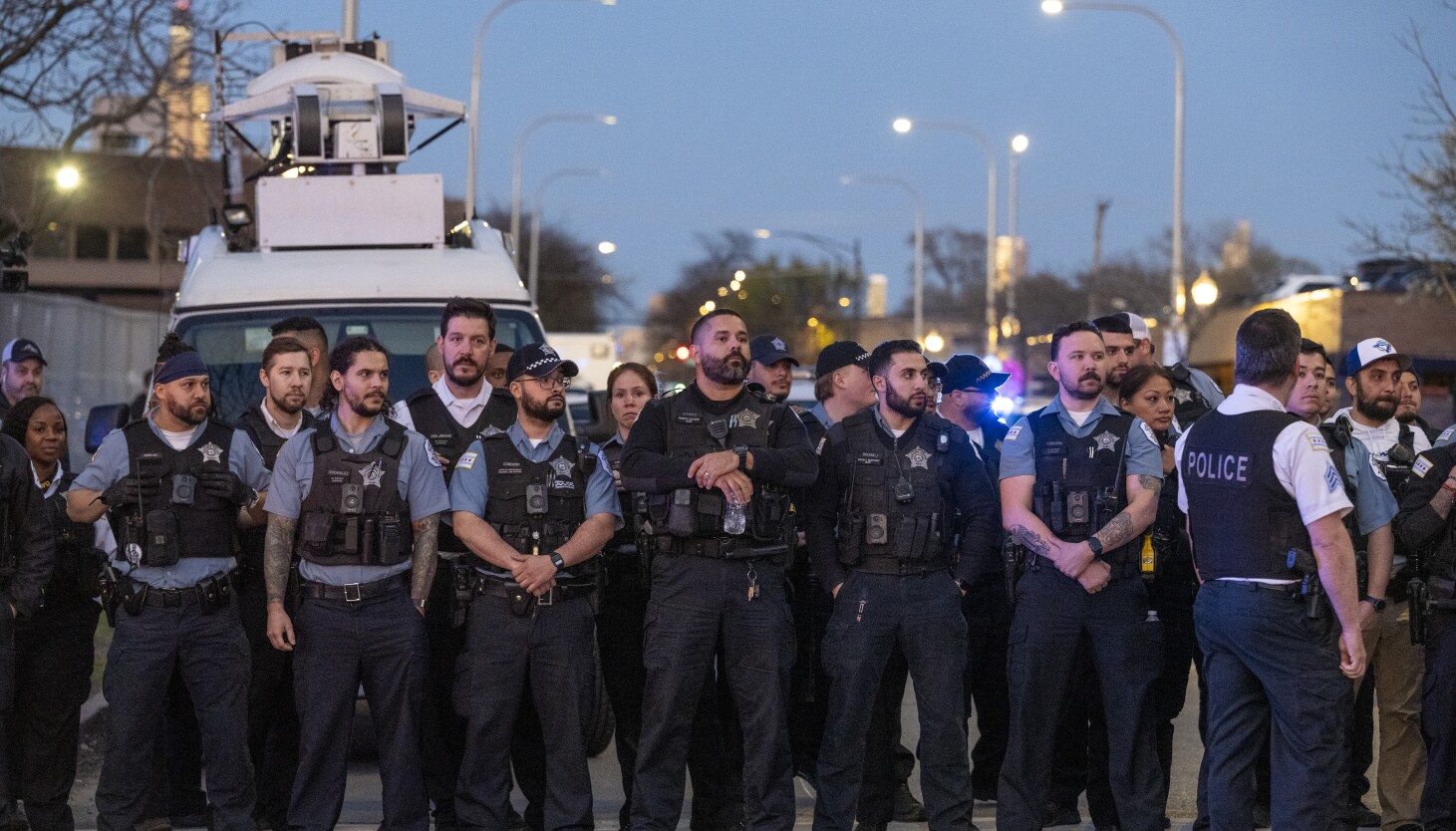
The five Chicago police officers involved in the fatal shooting of Dexter Reed have been investigated a combined 41 times since 2019, with many complaints stemming from traffic stops. Videos released show Reed refusing to comply with officers before being shot, and concerns have been raised about the veracity of the officers' account of the stop. The officers have been named in 41 complaints over the last five years, with allegations including improper stops, excessive force, and questionable tactics. The officers involved in the shooting have not served on the force for longer than five years, and the incident has raised further scrutiny on the Chicago Police Department's practices regarding traffic stops in predominantly Black and Latino neighborhoods.
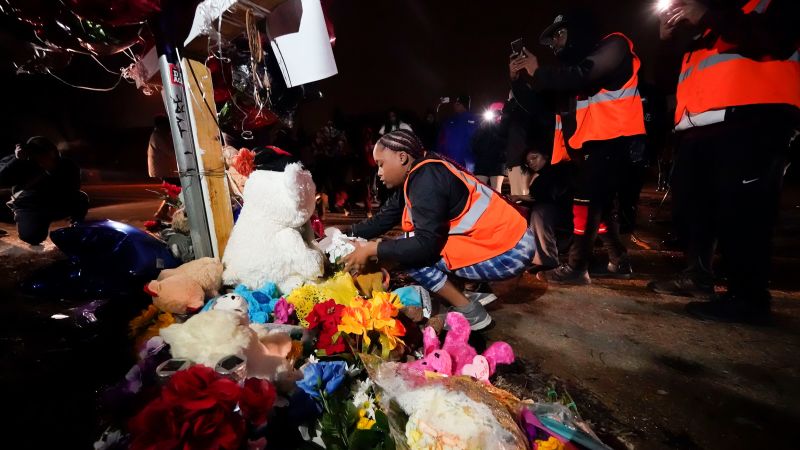
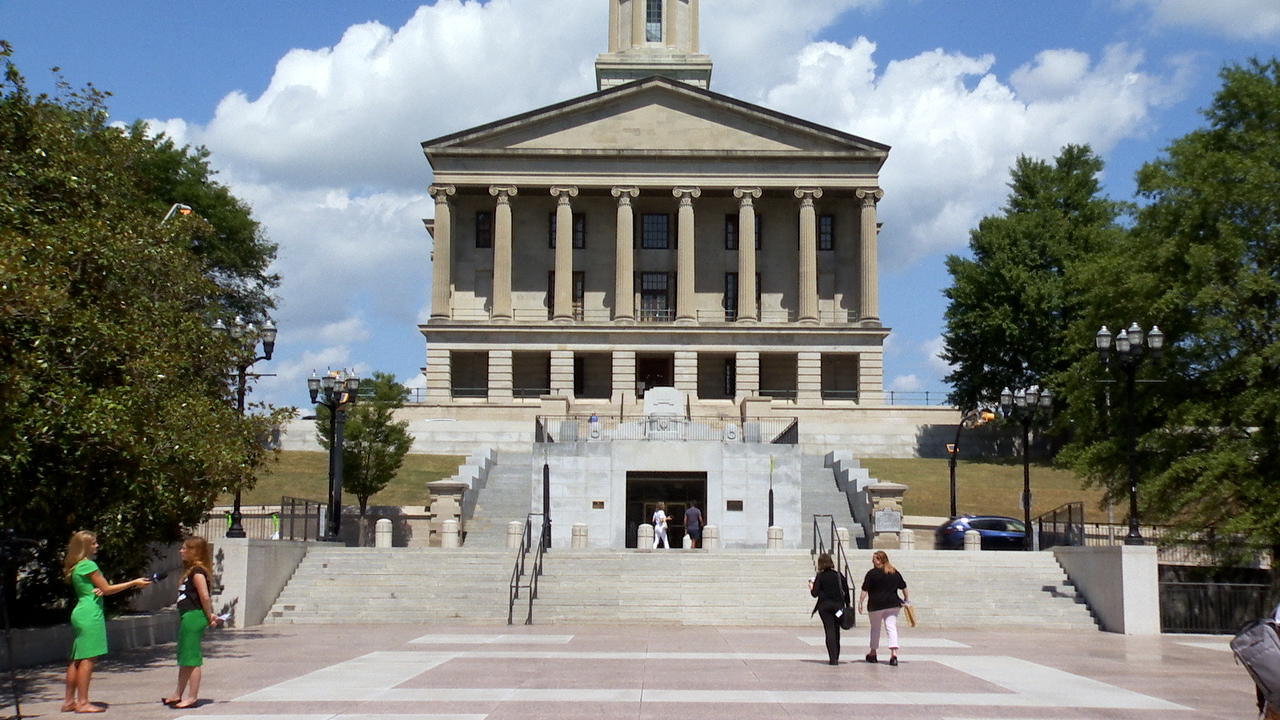
Tennessee Governor Bill Lee has signed a bill into law that prohibits cities from enacting local police reforms, including a Memphis traffic stop ordinance inspired by the fatal police beating of Tyre Nichols. The ordinance, which aimed to prevent police stops for minor infractions, was created after Nichols, a Black man, was severely beaten during a traffic stop and later died from his injuries. The bill has been widely interpreted as a rebuke of the ordinance and would prevent cities across the state from implementing similar reforms, sparking controversy and opposition from civil rights groups and activists.
The Tennessee Senate has passed a bill that would essentially overturn Memphis' ban on pretextual traffic stops, with the aim of restoring law and order in the community. The bill, which had already passed in the state House, would block a Memphis City Council ordinance that banned such stops. While the bill's sponsors argue that it's about enforcing existing state laws and improving public safety, Democrats view it as Republican overreach that disregards local government decisions. The family of Tyre Nichols, whose death led to the ordinance, expressed deep disappointment with the bill's passage and emphasized the need for justice regarding routine traffic stops.
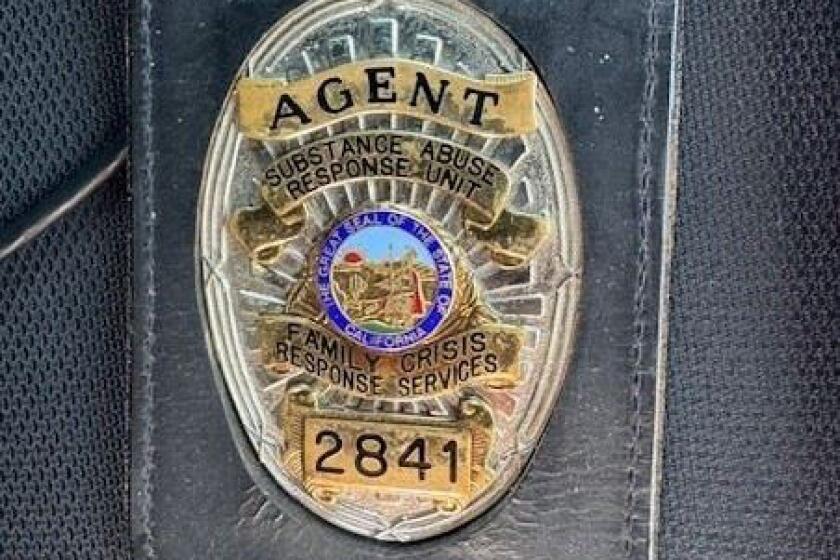
A 70-year-old man was arrested in Riverside County for allegedly impersonating a law enforcement officer by using a fake badge and pulling over drivers in Canyon Lake. The man, identified as Steven Sawhill, was driving a white sedan equipped with emergency lights and was found in possession of fraudulent identification cards. He was arrested on suspicion of impersonating a peace officer, false imprisonment, and vehicle code violations. Authorities are asking anyone with additional information or similar experiences to come forward.
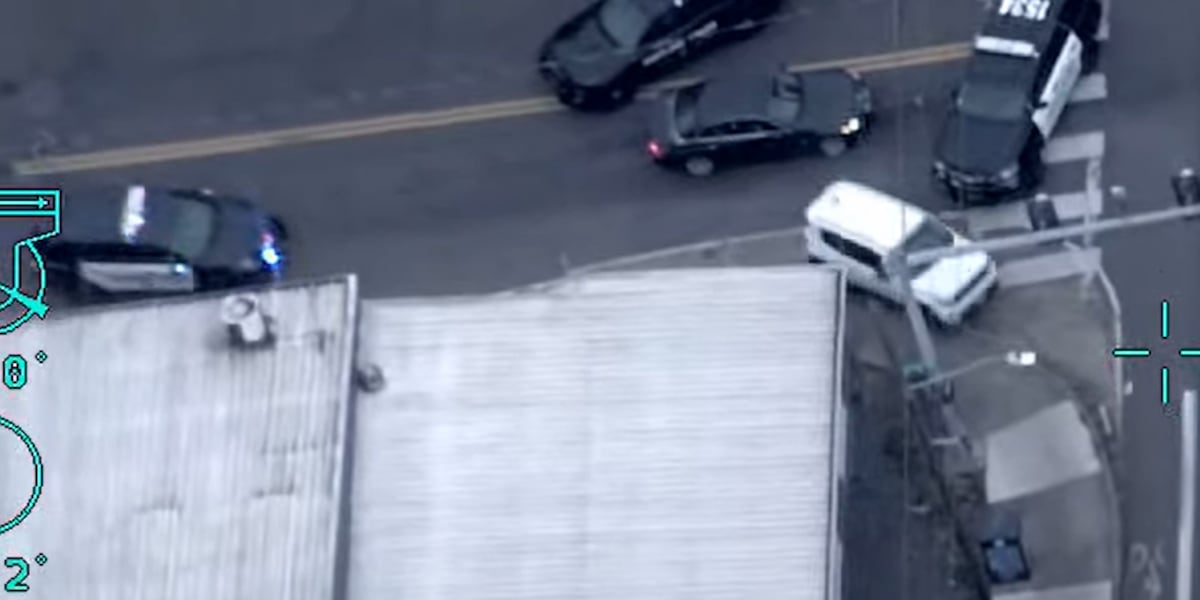
The Portland Police Bureau has announced that they will be loosening their restrictions on officers starting car chases, citing an increase in people fleeing from traffic stops and driving dangerously. The new policy creates a new set of factors and safety standards for supervisors to consider before authorizing a chase. The change comes after previous policy restrictions were seen as impeding officers' ability to quickly intervene and end dangerous driving behavior.