Virginia Gov. Abigail Spanberger faces a tense budget standoff and intra‑party divisions as a June 30 deadline approaches, vetoing or reshaping Democratic priorities, debating data-center tax incentives, and focusing on long-term affordability and implementation.
Virginia Gov. Abigail Spanberger, a Democrat, has vetoed 31 bills passed by the Democratic-controlled General Assembly, blocking high-profile priorities like public employee collective bargaining and a cannabis sales framework. The move has sparked public frustration from labor groups and progressive lawmakers and exposed tensions within Virginia’s Democratic Party between a centrist governing style and more progressive aims. Spanberger defends the vetoes as part of governance and implementation, while critics warn of dysfunction and late-stage decisionmaking. A looming budget fight adds to the pressure as lawmakers seek a new biennial plan.
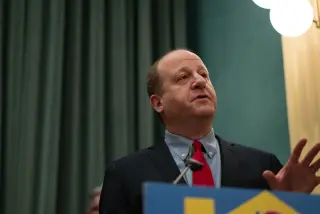
Colorado Gov. Jared Polis vetoed three bills, including a measure to bar credit card swipe fees on sales taxes starting in 2028, a bill expanding cancer protections for firefighters, and a proposal allowing Coloradans to sue federal immigration agents for constitutional rights violations. The vetoes raise his annual total to 12, surpassing his previous record. Supporters argue the swipe-fee ban would help small businesses; opponents warn of legal and feasibility issues. The firefighter-cancer bill faced cost and implementation concerns, while the immigration bill drew critiques about narrowing protections. Polis cited legal risk, costs, and the need for broader civil-rights protections in his decisions, with more vetoes possible before the session deadline.
Governor Josh Stein vetoed three bills related to gun laws, immigration, and public safety, citing concerns over safety, constitutionality, and due process, while signing one bill into law. The vetoes received support from law enforcement officials and community members.