President Trump will permit a bipartisan housing bill to become law without his signature, using the move to protest the GOP-backed voter ID law and signaling tensions within the party while pushing the housing legislation forward.
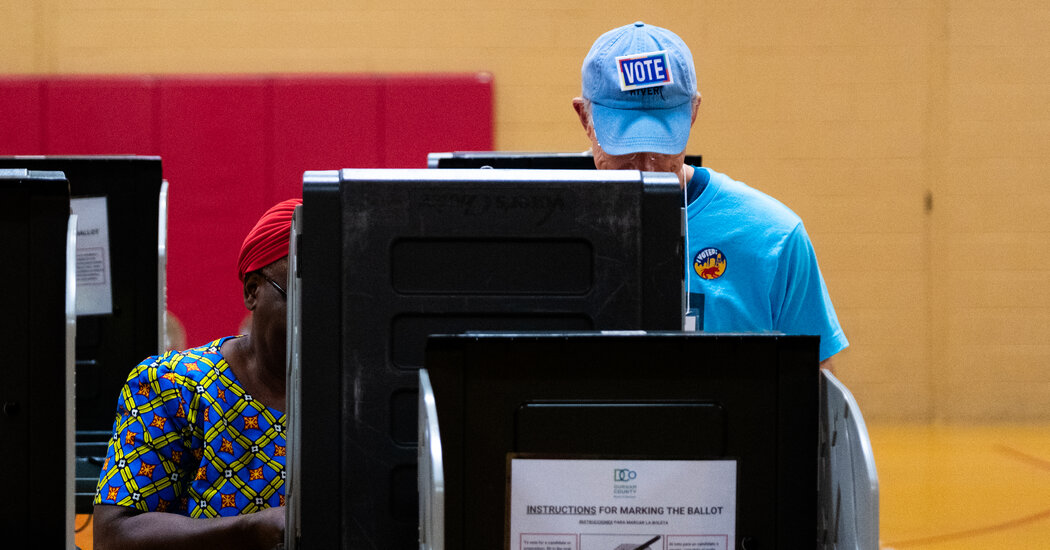
North Carolina's new voter ID law is having a significant impact on the state's electoral process, sparking debates over voting rights and election integrity. The law requires voters to present specific forms of identification at the polls, which supporters argue will prevent fraud, while critics claim it could disenfranchise certain groups of voters. The implementation of this law is being closely watched as it may influence similar legislation in other states.
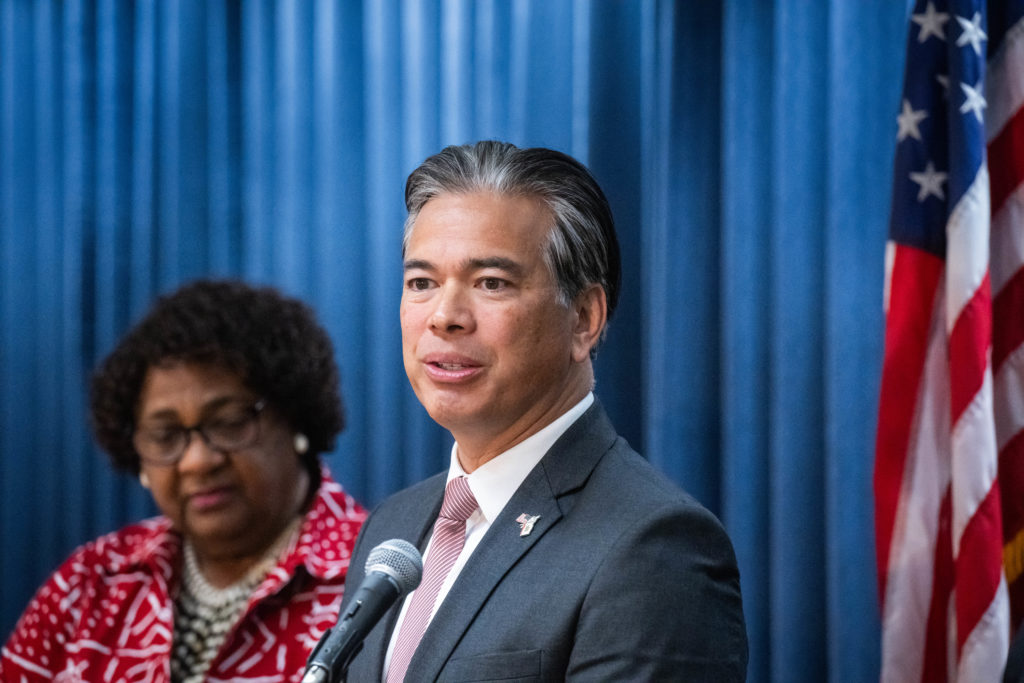
California officials, including Attorney General Rob Bonta, have filed a lawsuit against Huntington Beach over a voter ID law passed by the city's voters, which conflicts with state law and could potentially hinder voter participation, particularly among marginalized groups. The measure, approved by a politically conservative council majority, would require voter identification, increase in-person voting sites, and monitor ballot drop boxes in local elections. The state is seeking to block the law from taking effect, citing concerns about its impact on democratic principles and voter rights.
California has filed a lawsuit against Huntington Beach, alleging that the city's new voter ID law violates state law. The law, passed by voters in March, requires photo identification for local elections starting in 2026. California's Attorney General argues that the law is illegal and violates the state's constitution and election code. The lawsuit is the latest clash between the state and the conservative beach town, which has previously challenged state laws on various issues.