Health officials say a teenager who died from a brain-eating amoeba (Naegleria fowleri) was likely infected by a water feature at a community center, underscoring the risk of warm freshwater exposures.
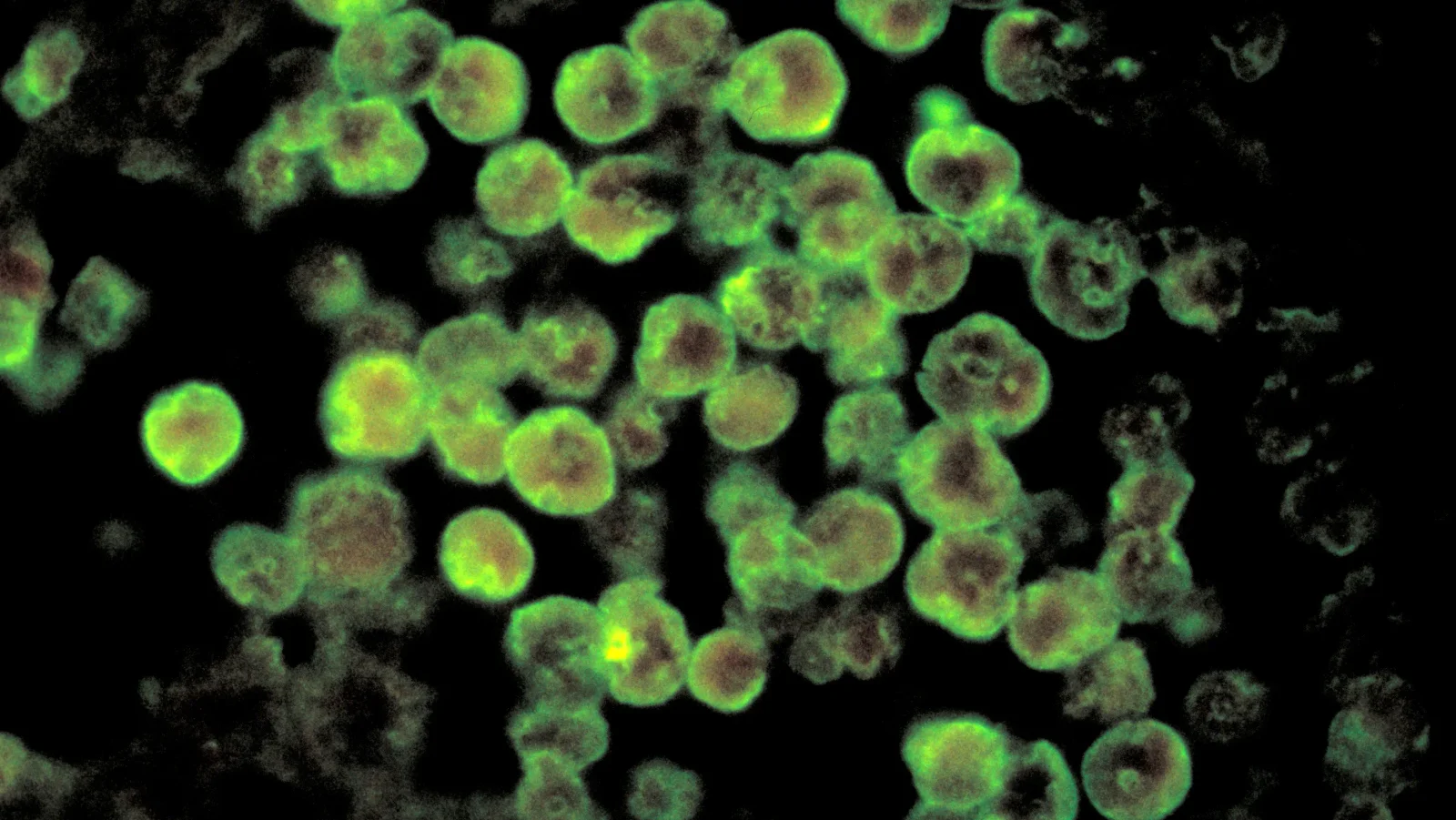
A 17-year-old North Carolina boy died from a Naegleria fowleri (brain-eating amoeba) infection, with investigators citing a water feature at the El Futuro community center in Durham County as the most likely exposure source. The feature was closed Aug. 28 and later showed Naegleria fowleri DNA in its storage tank (non-viable), though investigators could not conclusively confirm where exposure occurred. The center is cooperating with public health officials. Naegleria infections are extremely rare and typically fatal, occurring when contaminated warm freshwater enters the nose.
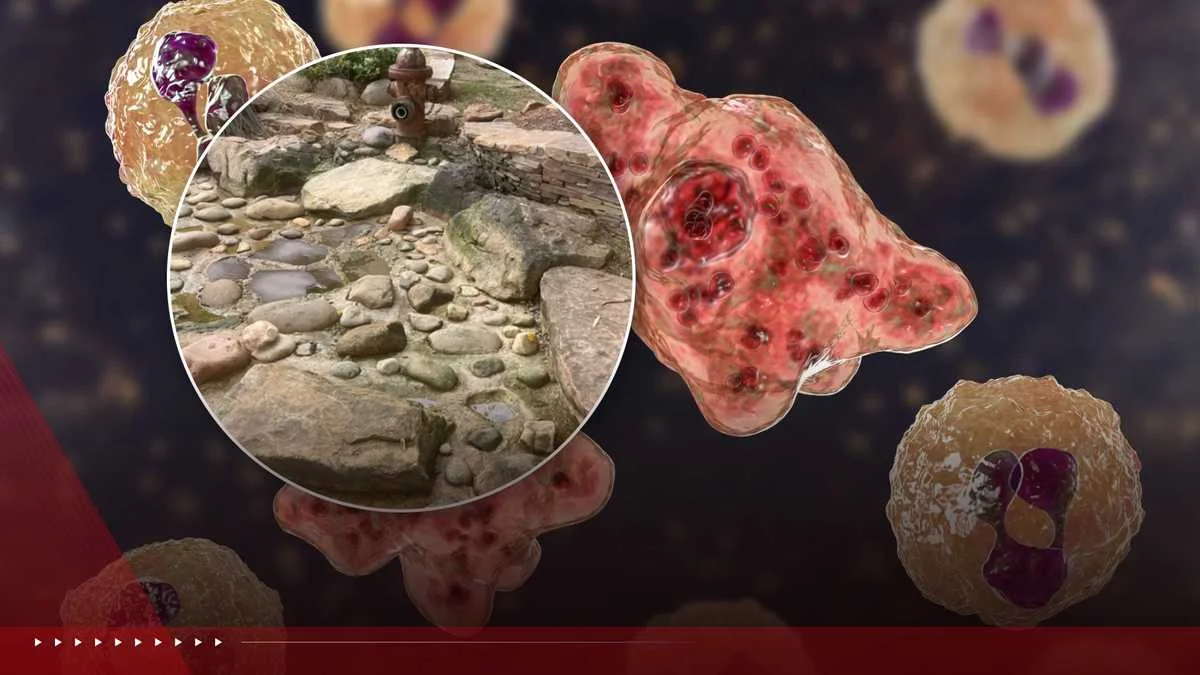
A North Carolina teen who died from Naegleria fowleri likely contracted the brain-eating amoeba at a Durham community organization, El Futuro, where an interactive water feature showed algae growth and insufficient disinfection. Environmental tests detected non-viable amoeba in the storage tank, and officials say exposure likely occurred when the teen splashed water on the face, though a definitive exposure site could not be confirmed; officials continue to emphasize that infections occur when amoebae enter the nasal passages, not by swallowing water.
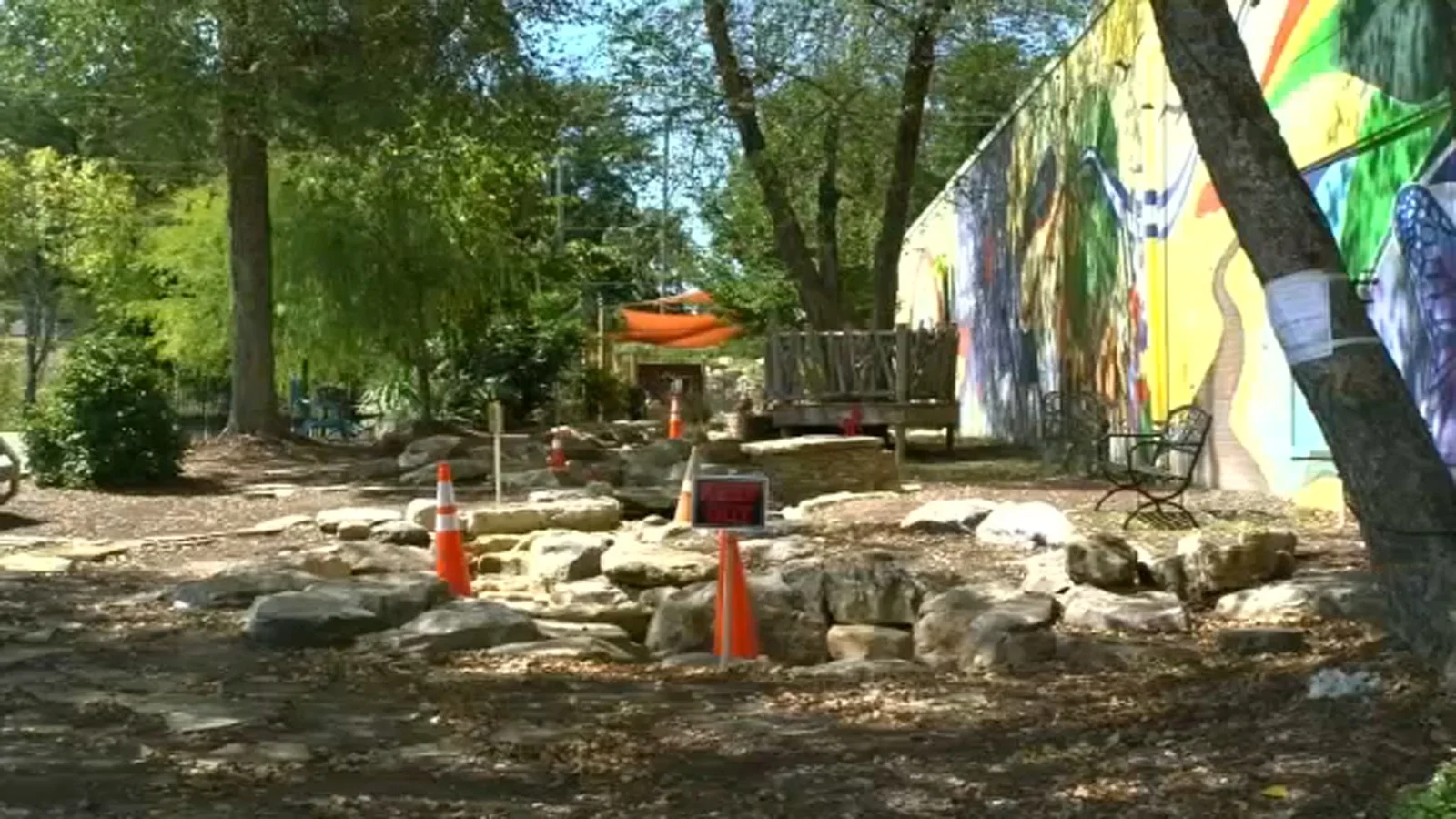
A man-made creek outside Durham's El Futuro mental health center is the likely source of exposure to Naegleria fowleri, the brain-eating amoeba, in the death of 17-year-old Moses Mendoza. Investigators found the water feature was not properly disinfected and lacked required permits, leading to its closure on Aug. 28 as state officials continue the probe.