
Voters Reject AI Expansion as Memory Prices Spike and Ukraine Suffers
By tl;dr Editorial Team · Published
Listen to this briefing · 6 min
Podcast feedYesterday’s news cycle was defined by the collision of technological ambition with physical and political reality. From the US midterm elections to global supply chains, the narrative centered on the limits of AI infrastructure. Simultaneously, geopolitical tensions in Ukraine and public health crises in the US highlighted the fragility of current systems.
The AI Infrastructure Crisis
The most significant development in the technology sector was the backlash against AI infrastructure following the 2026 US midterm elections. Voters in 13 states rejected data center expansion in 38 of 44 races, with six outright bans and 12 megawatt limits passed. This political shift triggered a sell-off in AI stocks, with Nasdaq-100 futures dropping 0.8% and CoreWeave falling 7%. The results suggest a fundamental change in US policy, where local impacts on water and electricity are prioritized over national economic growth, potentially threatening the $5 trillion AI buildout and giving China a competitive edge.
This political resistance coincides with a severe supply crunch in memory chips. NVIDIA’s RTX 50 series graphics cards are facing price hikes of up to $500, with the RTX 5090 now costing approximately $9,400 in the US, a 370% premium over its launch price. The shortage is driven by AI demand, forcing consumers toward older hardware or cloud solutions. In the broader market, Micron shares plunged 7% to $795.23 despite record earnings, reflecting anxiety over the sustainability of AI spending. While Micron’s forward P/E ratio of 4.81 suggests undervaluation, the volatility highlights the tension between high demand and potential supply increases from Chinese manufacturers. SK hynix, meanwhile, posted strong Q3 results and is weighing a $12 billion special dividend, but both firms face sideways trading until 2028 supply clarity improves.
In a related move, Sonos launched its '27voice' AI assistant in a limited US beta, signaling a shift toward natural language processing in smart home devices. This cautious rollout follows past failures and positions Sonos to compete with major tech giants, though it remains limited to English speakers and specific hardware.
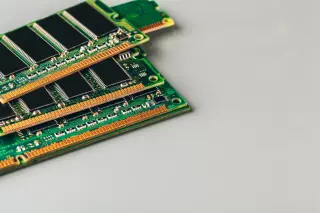
Memory Giants Face Crossroads as AI Demand Meets Supply Clarity
Analysts recommend closing pair trades on Micron and SK hynix as relative advantages converge, citing slowing DRAM growth and NAND price momentum. While SK hynix posted strong Q3 results and considers a $12B dividend, both firms face sideways trading until 2028 supply visibility improves.
Source: Seeking Alpha

2026 Midterms: US Voters Reject AI Infrastructure, Triggering Market Sell-Off
US voters overwhelmingly rejected data center expansion in the 2026 midterms, passing restrictive measures in 38 of 44 races across 13 states. Democrat Gina Hinojosa won the Texas governorship by a margin of over 700,000 votes, promising a moratorium on new facilities. The results triggered a sell-off in AI stocks, with Nasdaq-100 futures dropping 0.8% and CoreWeave falling 7%, as investors fear delays to the massive AI infrastructure buildout.
Source: 404 Media

NVIDIA RTX 50 Series Faces November Price Surge as AI Memory Shortage Intensifies
NVIDIA’s RTX 50 series graphics cards are facing significant price increases in November 2026, with high-end models rising by up to $500. The hikes, driven by global memory shortages and AI demand, affect all tiers, pushing the RTX 5090 near $10,000 in the US. Manufacturers like Colorful and Galax have confirmed cost adjustments, while the RTX 5080 has effectively doubled in price since launch.
Source: Wccftech

Micron Stock Plunges 7% as AI Spending Fears Clash with Record Earnings
Micron shares dropped 7% to $795.23 on November 4, 2026, despite strong fundamental growth. The decline reflects broader market anxiety regarding the sustainability of AI infrastructure spending and debt financing, even as the company reports record earnings and locked-in demand. Analysts remain divided between bullish views on long-term supply constraints and bearish concerns about cyclical downturns and valuation risks.
Source: The Motley Fool

Sonos Unveils '27voice' AI Assistant in Limited US Beta
Sonos is launching its new AI-powered voice assistant, 'Sonos 27voice,' in a limited US early-access beta starting November 6, 2026. The feature aims to replace the basic 'Voice Control' with natural language processing, allowing users to request music by mood or general knowledge queries. This rollout follows a disastrous 2024 app update and precedes a full release planned for 2027. Simultaneously, Sonos has released 'Sonos 27mcp,' enabling control via third-party AI models like ChatGPT, alongside new app features for playback presets and system diagnostics.
Source: Engadget
Global Conflict and Sports Diplomacy
Geopolitical tensions remained high in Ukraine, where Russian aerial assaults intensified, killing at least 40 people in the village of Komyshuvakha. President Volodymyr Zelenskyy reported that 30 more may be buried in rubble. The strikes on energy infrastructure caused hours-long power and water outages across Kyiv and nine other oblasts, coinciding with the start of the residential heating season. While Ukraine’s air force downed 272 of 310 Russian drones, the damage threatens civilian life and tests the viability of upcoming peace talks in Abu Dhabi.
This conflict has spilled into the realm of sports diplomacy. Germany is considering withdrawing as host of the 2027 Ice Hockey World Championship after a Court of Arbitration for Sport ruling mandated Russia’s return. Multiple European federations, including Finland, Sweden, and Norway, have refused to play Russia, citing security and political concerns. The European Commission emphasized that sports bodies must comply with EU sanctions, creating a logistical crisis for international tournaments.
In contrast, the sports world saw a moment of individual brilliance in basketball. Victor Wembanyama scored a career-high 52 points, grabbed 24 rebounds, and recorded eight blocks to lead the San Antonio Spurs to a 112-111 victory over the Dallas Mavericks. The Spurs led by 19 points at halftime but survived a late surge by Dallas, with Wembanyama making the final free throw to secure the win and extend their streak to six games.

Russian strikes kill 40 in southern Ukraine as energy grid attacks trigger Kyiv blackouts
Russian aerial assaults have intensified, causing widespread power outages in Kyiv and killing at least 40 people in the village of Komyshuvakha. While Ukraine and Russia exchange hundreds of drones, diplomatic efforts continue with upcoming peace talks in Abu Dhabi.
Source: AP News

Germany Weighs Withdrawal as European Nations Defy CAS Ruling to Boycott Russia in Ice Hockey
Germany is considering withdrawing as host of the 2027 Ice Hockey World Championship after a Court of Arbitration for Sport ruling mandated Russia’s return. Multiple European federations, including Finland, Sweden, and Norway, have refused to play Russia, citing security and political concerns. Canada has also banned Russian teams from the upcoming World Junior Championship, while the European Commission emphasized that sports bodies must comply with EU sanctions and avoid normalizing Russian participation during the ongoing war in Ukraine.
Source: Euronews.com
Wembanyama’s 52-Point Masterclass Secures Spurs 112-111 Win Over Mavericks
Victor Wembanyama scored a career-high 52 points, grabbed 24 rebounds, and recorded eight blocks to lead the San Antonio Spurs to a 112-111 victory over the Dallas Mavericks on November 4, 2026. The Spurs, who led by 19 points at halftime, survived a late fourth-quarter surge by Dallas to extend their winning streak to six games. The game ended with Wembanyama making the final free throw after missing four consecutive attempts, while Kyrie Irving missed a contested mid-range shot to end the game.
Source: ESPN
Health and Public Safety
Public health challenges persisted in the US, with Pennsylvania confirming a sixth measles-associated death in Jefferson County. The state has recorded 1,467 cases, surpassing the 1991 epidemic, with 96% of cases occurring in unvaccinated individuals. Nationally, the CDC reports over 4,800 cases in 2026, the highest since 1991. The outbreak highlights the risks of vaccine hesitancy and the need for improved community engagement, particularly as adult cases lead to higher mortality rates.
In medical research, a breakthrough in cancer treatment was announced. Researchers identified a structured, predictable regulatory framework governing glioblastoma cell state switching. Using a deep-learning tool called scDORI, they found that low-plasticity states are maintained by repressors like MYT1L. Enhancing this repressor reduces tumor growth in mice, suggesting new therapeutic strategies to lock cancer cells into less aggressive states rather than simply killing them. This approach could overcome therapy resistance and improve patient outcomes for one of the most challenging cancers to treat.
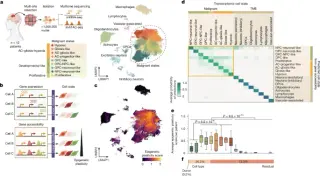
AI reveals predictable rules governing glioblastoma cell state switching
Researchers have identified a structured, predictable regulatory framework governing the cellular plasticity of glioblastoma, the deadliest adult brain tumor. By analyzing over one million cells from 12 patients, the team developed a deep-learning tool called scDORI to map how tumor cells switch between states. They discovered that low-plasticity states, such as neuronal-like identities, are actively maintained by repressors like MYT1L, which suppress alternative malignant fates. Enhancing this repressor reduces tumor growth and invasion in mice, suggesting new therapeutic strategies to lock cancer cells into less aggressive states.
Source: Nature

Pennsylvania Confirms Sixth Measles Death as Outbreak Surpasses 1,400 Cases
Pennsylvania health officials confirmed a sixth measles-associated death in Jefferson County, bringing the state’s total to six fatalities and the national total to seven. The state has recorded 1,467 cases, surpassing the 1991 epidemic, with 283 hospitalizations. While officials report slowing trends, new cases continue to emerge in communities with low vaccination rates, prompting intensified outreach and vaccine clinics.
Source: ABC News - Breaking News, Latest News and Videos
The day’s events underscore a world where technological progress is increasingly constrained by political will, supply chain realities, and public health crises. As AI infrastructure faces resistance and memory prices spike, the focus shifts to sustainability and adaptability. Meanwhile, geopolitical tensions in Ukraine and sports diplomacy continue to shape international relations, while medical research offers hope for new treatments. The coming weeks will test the resilience of these systems as they navigate a complex and volatile landscape.