
2026 Midterms: US Voters Reject AI Infrastructure, Triggering Market Sell-Off
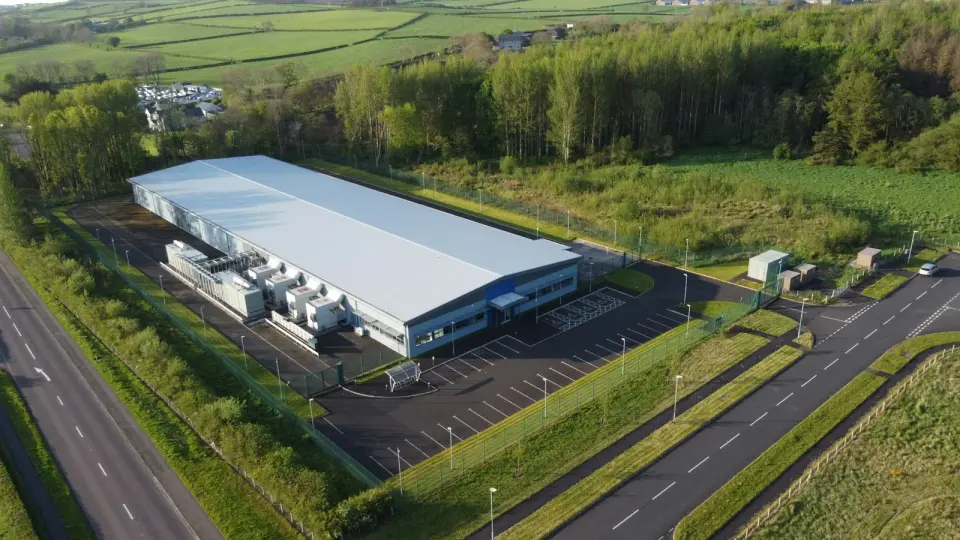
US voters overwhelmingly rejected data center expansion in the 2026 midterms, passing restrictive measures in 38 of 44 races across 13 states. Democrat Gina Hinojosa won the Texas governorship by a margin of over 700,000 votes, promising a moratorium on new facilities. The results triggered a sell-off in AI stocks, with Nasdaq-100 futures dropping 0.8% and CoreWeave falling 7%, as investors fear delays to the massive AI infrastructure buildout.
Key points
- Voters rejected data center proposals in 38 of 44 races across 13 states, including 6 outright bans and 12 megawatt limits.
- Gina Hinojosa defeated incumbent Greg Abbott in Texas by over 700,000 votes, promising to delay projects until legislation protects water, electricity, and property rights.
- AI stocks fell overnight, with CoreWeave down 7%, Nebius Group down 4%, and SpaceX down 6%, as investors weighed potential delays in key buildout markets.
- Elon Musk, who spent $224 million in Texas, posted on X about building data centers in space after his political allies lost key races.
- Democrats won governorships in Arizona, Georgia, and Ohio, threatening nearly two-thirds of planned 2028 data center capacity.
Background
Public opposition to data centers had been growing since 2024, with over 70% of Americans opposing construction in their areas. Tech companies spent hundreds of millions on the 2026 midterms to combat regulations, but voters prioritized local impacts like utility bills and pollution over broader economic arguments. The 2026 elections marked the first nationwide contest where AI infrastructure was a central issue, following years of skirmishes between tech interests and local communities.
How outlets are covering it
404 Media and The Atlantic emphasized the overwhelming public rejection of data centers, framing it as a repudiation of Silicon Valley's influence. CNBC focused on the market impact, noting that the Texas governorship loss was the biggest blow to tech stocks, with analysts warning of a 'left-tail event' for the AI trade. Ars Technica highlighted the divide between industry and public sentiment, noting that Big Tech claimed the backlash was 'anti-Trump' rather than 'anti-tech,' while civil rights leaders argued it was a mandate for AI regulation. All sources agreed that the results would delay projects, but differed on whether this would lead to a complete halt or merely increased costs and permitting delays.
Why it matters
The 2026 midterms signal a fundamental shift in US AI policy, with voters prioritizing local impacts over national economic growth. The results threaten the $5 trillion AI buildout, potentially delaying projects and increasing costs for developers. The political shift may also give China a competitive advantage in AI, as US restrictions could push development abroad. The elections demonstrate that public opposition to AI infrastructure is now a major political force, capable of influencing national policy and market dynamics.
What to watch
Hinojosa plans to impose a moratorium on new data centers until legislation is passed, potentially delaying projects by 12 to 18 months. Developers may move projects to other states like Louisiana or Georgia, or halt them entirely. Congress may introduce new constraints on computing capacity, though Trump can veto federal laws. Tech companies may increase lobbying efforts, but public opposition appears strong. The next 12 months will determine whether the political shift leads to permanent regulatory changes or temporary delays.
- American Voters Overwhelmingly Reject AI Data Centers 404 Media
- AI data center stocks and Musk's SpaceX decline as Texas governor result raises risks of a slowdown CNBC
- Big Tech claims voters’ AI backlash is “anti-Trump” not “anti-tech” Ars Technica
- Silicon Valley’s Very Bad Night The Atlantic
- A nationwide backlash against data centers erupts at the polls The Washington Post
Want the full story? Read the original reporting
Read on 404 Media