
aerospace-and-defence4.265 min read
US Air Force confirms first on-orbit space weapons, sparking global security concerns
28 days ago•Source: Financial Times

The latest aerospace and defence stories, each synthesized from multiple sources with added background and context.
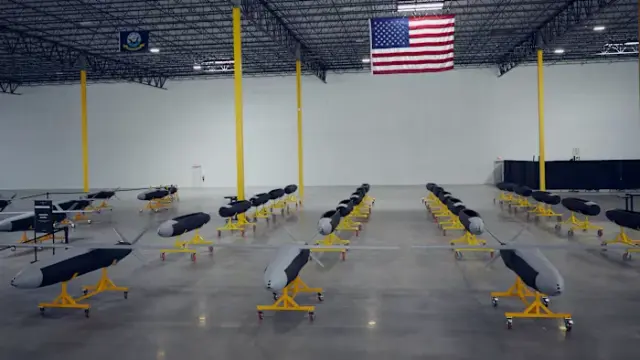
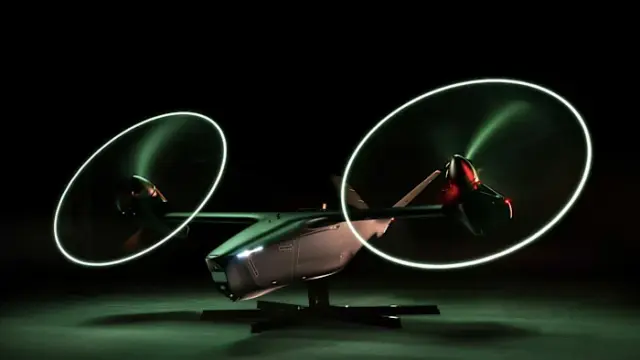
A US-Israeli defence startup enabled by Peter Thiel’s Founders Fund plans to build three factories in Dallas (US), Leipzig (Germany) and Israel to mass-produce the Anthem long-range “deep strike” munition. Covenant aims to produce about 1,000 Anthem missiles per year at each site by 2027 and 5,000 per site from 2028, with each missile priced in the mid six figures of euros. Marketed as a cheaper alternative to Tomahawks, Anthem is designed to deter threats from Russia, China and Iran and to saturate targets with high volume fire. The company has already conducted more than 200 trials and has secured initial US government contracts for testing and a maritime version. Germany is considering procurement, and Covenant emphasizes a European-focused supply chain, while keeping some details like range and classification (cruise missile vs deep-strike munition) confidential. Covenant has raised roughly $250 million and is valued at over $1 billion, backed by a slate of VC firms including Andreessen Horowitz, 8VC, Altimeter, Lightspeed and Lux Capital.
Financial Times•2 months ago
Financial Times•3 months ago
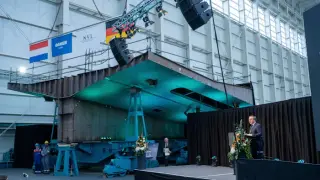
Berlin has scrapped the €12.8bn F126 frigate program—the German navy’s largest postwar warship project—after delays and cost overruns, opting to buy eight Meko frigates instead; the change shifts lead contractor duties away from Damen Naval to Rheinmetall, prompting a roughly €2bn write-off and a dent to defence industry expectations amid NATO priority on sea-based anti-submarine warfare.
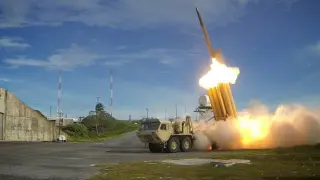
GM and Lockheed Martin have formed framework agreements—at the Pentagon’s request—to dramatically accelerate U.S. munition production, including nearly tripling Patriot interceptor output and quadrupling Thaad and Precision Strike Missile production over the next seven years, by leveraging GM’s high-rate manufacturing and digital tools; the partners have not announced specific projects and will invest billions in capital and R&D to bolster the defense industrial base and supply chains.
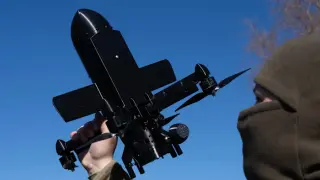
Kyiv and Washington are negotiating a draft statement of intent to temporarily export Ukrainian drones for US testing and evaluation to shape US military requirements, a potential first step toward broader defense cooperation. The agreement is non-binding, lasts two years, and does not commit funding or transfers.

The Pentagon released 161 files—encompassing photos, witness testimonies, and investigative reports—on unidentified aerial phenomena, labeling them unresolved and inviting private-sector analysis. The staged disclosures come amid congressional pressure and White House interest to increase transparency, with the Defense Department planning rolling releases every few weeks and still noting no verified evidence of alien technology or life.
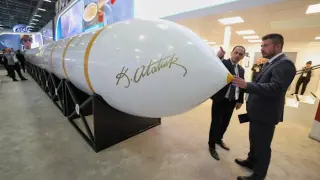
Turkey unveiled the 18‑meter Yıldırımhan ICBM at a defence expo, touting a 6,000km range and a 3-ton warhead, but defence officials and Western analysts say the system is still in testing and its advertised capabilities—promoted in an AI-generated promo video—are likely overstated; the longest-range Turkish missile (Tayfun) has only reached about 600km in tests.
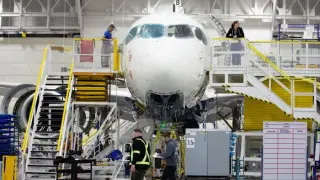
AirAsia’s $19bn deal for 150 Airbus A220-300 jets marks Canada’s biggest-ever aircraft order, with potential to reach $38bn if AirAsia exercises options for the A220-500. The jets will be assembled at Airbus’s Mirabel, Quebec, and Mobile, Alabama sites as Airbus aims to ramp production to about 12–13 aircraft per month by 2026–28, despite integration challenges from Spirit AeroSystems. Canadian Prime Minister Mark Carney hailed the deal as a win for diversifying Canada’s trade.
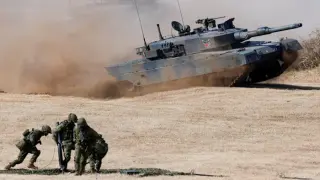
Tokyo approved a policy overhaul that allows Japanese firms to export lethal weapons for the first time since World War II, subject to buyer screening and not being in active conflict. The shift aims to boost defence manufacturing by companies like Mitsubishi Heavy Industries and Kawasaki, expand exports to allies such as the US, UK and Australia, and bolster Japan’s security posture amid China and North Korea threats. Critics warn production capacity and domestic needs must be balanced with overseas deals, and exceptions exist for waiving exports only in rare cases if national security is involved.
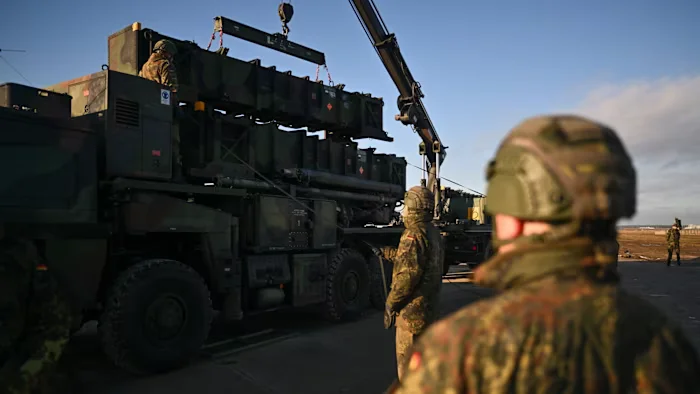
The U.S. Pentagon is investing $1 billion in L3 Harris's missile-motors business via convertible preferred equity that will spin off into a new public company, with an IPO expected in late 2026. The move aims to bolster domestic rocket-motor supply for missiles like Patriot and Tomahawk, but it raises questions about conflicts of interest and competition in the defence industry.
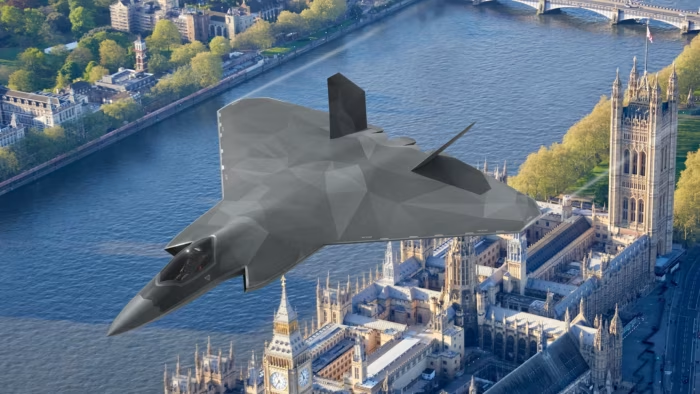
The UK, Italy, and Japan have formed a joint venture to oversee the development of a next-generation fighter jet under the Global Combat Air Programme (GCAP), aiming for completion by 2035. The venture, equally owned by BAE Systems, Leonardo, and Japan Aircraft Industrial Enhancement Co, will manage the design, development, and delivery of the aircraft. Discussions are ongoing about potentially involving Saudi Arabia as a financial partner. The project seeks to enhance defense capabilities against threats from Russia and China, with a focus on digital design and innovative engineering to reduce costs and time.