
cardiology12.31 min read
Small daily coffee may be safe in atrial fibrillation, trial suggests
2 months ago•Source: News-Medical

The latest cardiology stories, each synthesized from multiple sources with added background and context.
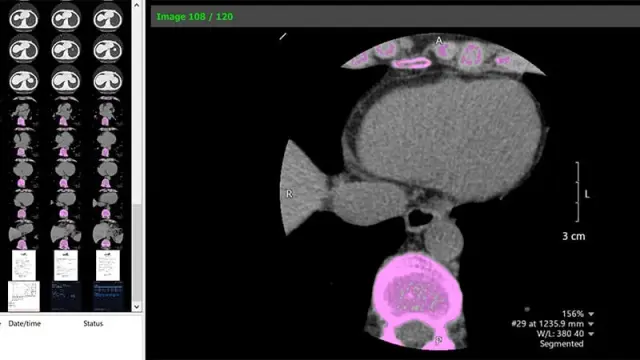
Adding coronary artery calcium (CAC) scoring to PREVENT-ASCVD risk estimates helped reclassify adults into more accurate risk categories and guide statin decisions in a US cohort; CAC=0 was linked to lower observed ASCVD risk and CAC>0 to higher risk, especially when statin eligibility was uncertain, with CAC-enhanced risk stratification improving net reclassification across risk tiers.
TCTMD.com•11 months ago
Health News Hub•3 years ago

A study conducted in France found that many recreational drug users who suffer acute cardiovascular events end up in cardiac intensive care units (ICUs) without disclosing their drug use. The study revealed that 11% of patients admitted for acute cardiovascular events had a positive drug screen, with cannabis being the most commonly used drug. Patients with positive drug screens had a higher risk of in-hospital major adverse events. The findings suggest the potential value of routine urine screening in selected patients with acute cardiovascular events to improve risk stratification in intensive cardiac care units. However, further research is needed to assess the prevalence of recreational drug use and its impact on clinical outcomes.
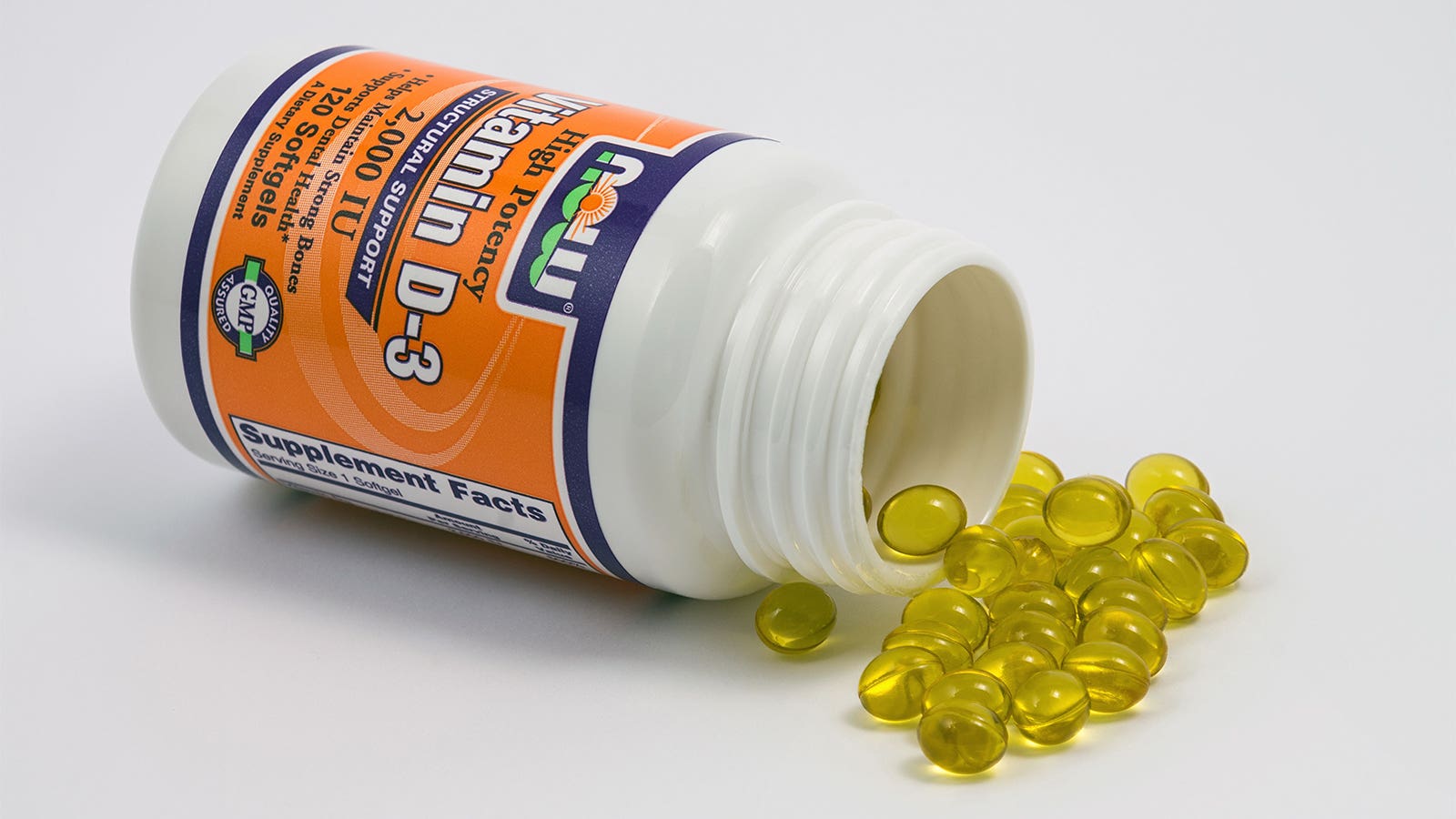
The Australian D-Health Trial found that monthly high-dose vitamin D supplements did not significantly reduce major cardiovascular events in older adults over a period of up to 5 years. However, there were indications of potential benefits for certain components of the primary outcome, such as myocardial infarction and coronary revascularization. The study suggests further evaluation of the role of vitamin D supplementation, particularly in individuals taking cardiovascular medications. While previous trials have also shown no preventive effect of vitamin D supplementation on cardiovascular events, the researchers argue that conclusions about the impact of vitamin D on cardiovascular disease risk are premature.

Heart transplant recipients from donors with active COVID-19 infection had higher mortality at 6 months and at 1 year than those with transplants from donors who had either a recently resolved COVID case or did not have COVID, according to a retrospective analysis. However, heart transplants from recently resolved COVID donors had similar post-transplant mortality to non-COVID donors. The study highlights the need for continued evaluation, risk-stratification, and a more nuanced approach in evaluating potential heart donors with COVID-19 infection.

Beta-blocker treatment beyond 1 year after myocardial infarction (MI) for patients without heart failure or left ventricular systolic dysfunction was not associated with improved cardiovascular outcomes in a new analysis of a nationwide cohort of more than 40,000 patients. The study was published online in Heart on May 2. The authors suggest that determining whether beta-blockers are indicated beyond the first year after MI may have an impact on patient health-related quality of life. More evidence from large randomized clinical trials is needed to answer this question.

Short-term use of nonsteroidal anti-inflammatory drugs (NSAIDs) was associated with an increased risk for heart failure hospitalization among patients with type 2 diabetes (T2D), according to a Danish registry study. The most at-risk subgroups were patients ages 80 and older, those poorly managed as evidenced by elevated HbA1c levels and no or only one antidiabetic drug, and new NSAID users without previous prescriptions. Several position statements already caution against both short-term and long-term use of NSAIDs in patients at high cardiovascular risk.