Tag

Cardiology

All articles tagged with #cardiology

Marathons and the Heart: Doctors Outline Benefits, Risks, and Safe Training
health18 days ago

Marathons and the Heart: Doctors Outline Benefits, Risks, and Safe Training

Running is generally heart‑healthy and linked to longevity, but high‑volume endurance can transiently elevate cardiac biomarkers and, rarely, trigger emergencies—especially in people with undiagnosed heart conditions. Safety hinges on medical screening, symptom awareness, and individualized plans: watch for chest pain or fainting, consider baseline tests and anemia checks for women. A balanced training approach (roughly four cardio days and two strength days) with proper recovery and Mediterranean-style nutrition supports heart health. While atrial fibrillation and other rare issues can occur, the overall message is that marathons are not inherently dangerous when risk is understood and training is smart.

Morning Rise Rule: Don’t Jump Out of Bed With High Blood Pressure
health23 days ago

Morning Rise Rule: Don’t Jump Out of Bed With High Blood Pressure

Cardiologists warn that rising quickly after waking can trigger a temporary drop in blood pressure and dizziness for people with hypertension. Instead, rise slowly—sit on the edge of the bed for a minute, hydrate, and take prescribed meds—then, after 30–60 minutes, begin light activity (gentle stretching or a slow walk) and save vigorous exercise for later in the day. Regular moderate aerobic activity remains beneficial for long‑term risk reduction, and timing/intensity should be tailored with your doctor. Normal BP is about 120/80; hypertension stages start at 130–139/80–89 (Stage 1) and above 140/90 (Stage 2).

Rise Gently After Wake-Up to Protect Your Blood Pressure
health23 days ago

Rise Gently After Wake-Up to Protect Your Blood Pressure

If you have hypertension, avoid jumping out of bed first thing. Instead, rise slowly for a minute or two to prevent a temporary drop in blood pressure that can cause dizziness or fainting. Morning BP naturally surges due to circadian rhythms, so hydrate and take prescribed meds, then start light movement after 30–60 minutes and reserve vigorous exercise for later. Normal BP is about 120/80; Hypertension Stage 1 is 130–139/80–89 and Stage 2 is >140/90. Regular aerobic activity remains beneficial, but work with your doctor to personalize timing and intensity of exercise. Seek care if BP remains consistently high or low.

Seven post-7pm choices that shape your heart’s health, per a cardiologist
health25 days ago

Seven post-7pm choices that shape your heart’s health, per a cardiologist

A veteran cardiologist outlines seven behaviors to avoid after 7 p.m. to protect heart health: late meals, bright blue-enriched lighting, stressful or emotionally charged TV, late high-intensity exercise, alcohol, heated conversations, and unfiltered screen exposure. Each choice can disrupt circadian rhythms, sleep quality, blood pressure, glucose regulation, and inflammation, nudging the body toward a stress state rather than repair overnight. The core guidance is to minimize circadian disruption after hours to support the heart’s recovery and reduce long-term cardiovascular risk.

Inside a Cardiologist's Heart-Healthy Daily Menu
health-and-wellness1 month ago

Inside a Cardiologist's Heart-Healthy Daily Menu

A veteran cardiologist outlines his daily meals—egg-white breakfast with milk, protein-rich lunches loaded with vegetables, and green-vegetable, lean-protein dinners—with occasional treats. He emphasizes whole, minimally processed foods to support heart health and stable blood sugar, aligning with dietary guidelines and practical choices to curb ultra-processed foods.

Experts Warn: Shortness of Breath Could Signal Heart Trouble—Act Now
health1 month ago

Experts Warn: Shortness of Breath Could Signal Heart Trouble—Act Now

Three cardiologists emphasize that heart disease can present with subtle signs, with new or worsened shortness of breath during everyday activities being a major red flag. They explain that SOB can reflect the heart failing to meet the body's oxygen needs, not just a lung issue, and that other warning signs include chest pain or discomfort, jaw/neck/back/arm pain, unusual fatigue, lightheadedness, nausea, or cold sweats. Regardless of risk factors, if SOB appears or worsens, stop the activity, rest, and contact a healthcare provider, seeking emergency care if the symptoms are sudden or accompanied by other signs. Early recognition and prompt treatment can improve survival and reduce heart damage.}

New Multisociety Guideline Uses Five Acute PE Categories to Guide Care
cardiology1 month ago

New Multisociety Guideline Uses Five Acute PE Categories to Guide Care

A new joint ACC/AHA/peer-society guideline for evaluating and managing acute pulmonary embolism in adults introduces five Acute PE Clinical Categories (A–E) to stratify severity and guide therapy across emergency, inpatient, and post-acute settings. It recommends low-molecular-weight heparin over unfractionated heparin for initial anticoagulation, favors direct oral anticoagulants over vitamin K antagonists when appropriate, and supports continuing anticoagulation beyond 3–6 months for selected patients; it also emphasizes PE response teams (PERTs) and notes future evidence gaps.

Fatigue Mistaken for Aging Uncovered Rare Heart Condition in a Young Dad
health2 months ago

Fatigue Mistaken for Aging Uncovered Rare Heart Condition in a Young Dad

A Florida construction project manager in his early 30s blamed fatigue and weight gain on aging and new fatherhood, but after his symptoms worsened he was diagnosed with left ventricular non-compaction cardiomyopathy (LVNC) and a genetic muscle disorder, leading to advanced heart failure. He underwent a left ventricular assist device (LVAD) implantation to sustain circulation while awaiting a heart transplant, highlighting a rising trend of heart failure in younger adults driven by obesity, diabetes, and high blood pressure.

Blessing Hospital Performs First TEER Procedure to Repair Leaking Mitral Valve
business2 months ago

Blessing Hospital Performs First TEER Procedure to Repair Leaking Mitral Valve

Blessing Hospital in Quincy performed its first TEER (Transcatheter Edge-to-Edge Repair) to treat a leaky mitral valve on Jan. 19, led by cardiologist Dr. Jeffrey Cook, marking the hospital's expansion of minimally invasive heart care for patients who cannot undergo open-heart surgery; TEER can lessen symptoms such as shortness of breath, and previously patients often had to be referred to Barnes Hospital in St. Louis for this procedure.

New Study Finds Coffee May Protect Against Irregular Heartbeats
health5 months ago

New Study Finds Coffee May Protect Against Irregular Heartbeats

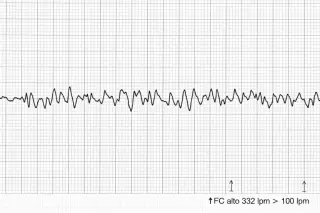
A US study suggests that drinking coffee may reduce the risk of irregular heartbeats, specifically atrial fibrillation, challenging the common advice to avoid caffeine for those with the condition. The Decaf trial found coffee drinkers had a lower recurrence of irregular heartbeats and longer intervals before episodes, though limitations exist. The findings could influence future dietary recommendations for individuals with atrial fibrillation.