diplomacy19.265 min read
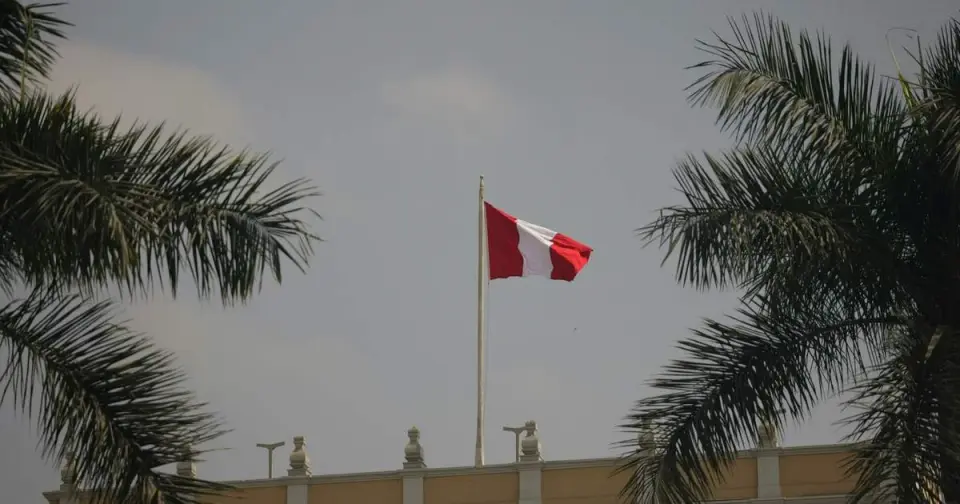
Peru Breaks Diplomatic Ties with Iran Over Middle East Escalation
1 month ago•Source: Iran International

The latest diplomacy stories, each synthesized from multiple sources with added background and context.
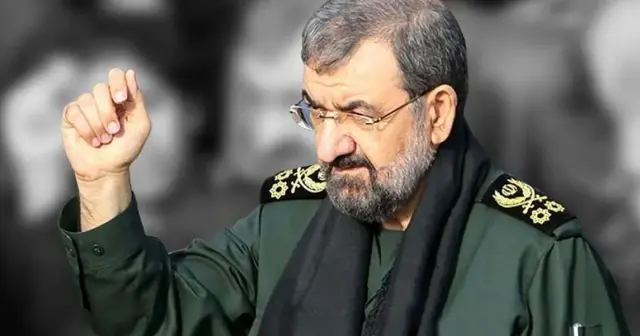
Iranian security chief Mohsen Rezaei laid out four core demands—an end to regional war, the lifting of the port blockade, compensation, and sanctions relief—as prerequisites for a possible agreement with the United States, signaling a tactical shift from belligerent posturing toward negotiating terms at a price. Backed by his SNSC secretary role, his comments reflect an evolving approach that treats diplomacy as a tool of Iran’s strategy rather than a concession, while it remains unclear whether this constitutes a formal negotiating mandate and mediators push a path back to talks amid intensified US pressure.
ایران اینترنشنال•5 months ago
U.S. Department of State (.gov)•1 year ago
The United States Department of State congratulates China on the 76th anniversary of the founding of the People's Republic of China, wishing the Chinese people health, happiness, prosperity, and peace.

Secretary of State Marco Rubio highlighted the US's strong diplomatic ties with Southeast Asia, recent positive engagements with ASEAN, and ongoing efforts to address trade deficits through tariffs, while emphasizing the importance of cybersecurity and constructive US-China relations. He also mentioned upcoming high-level meetings and agreements, including civil nuclear cooperation with Malaysia and defense sales, and expressed optimism about future collaborations.
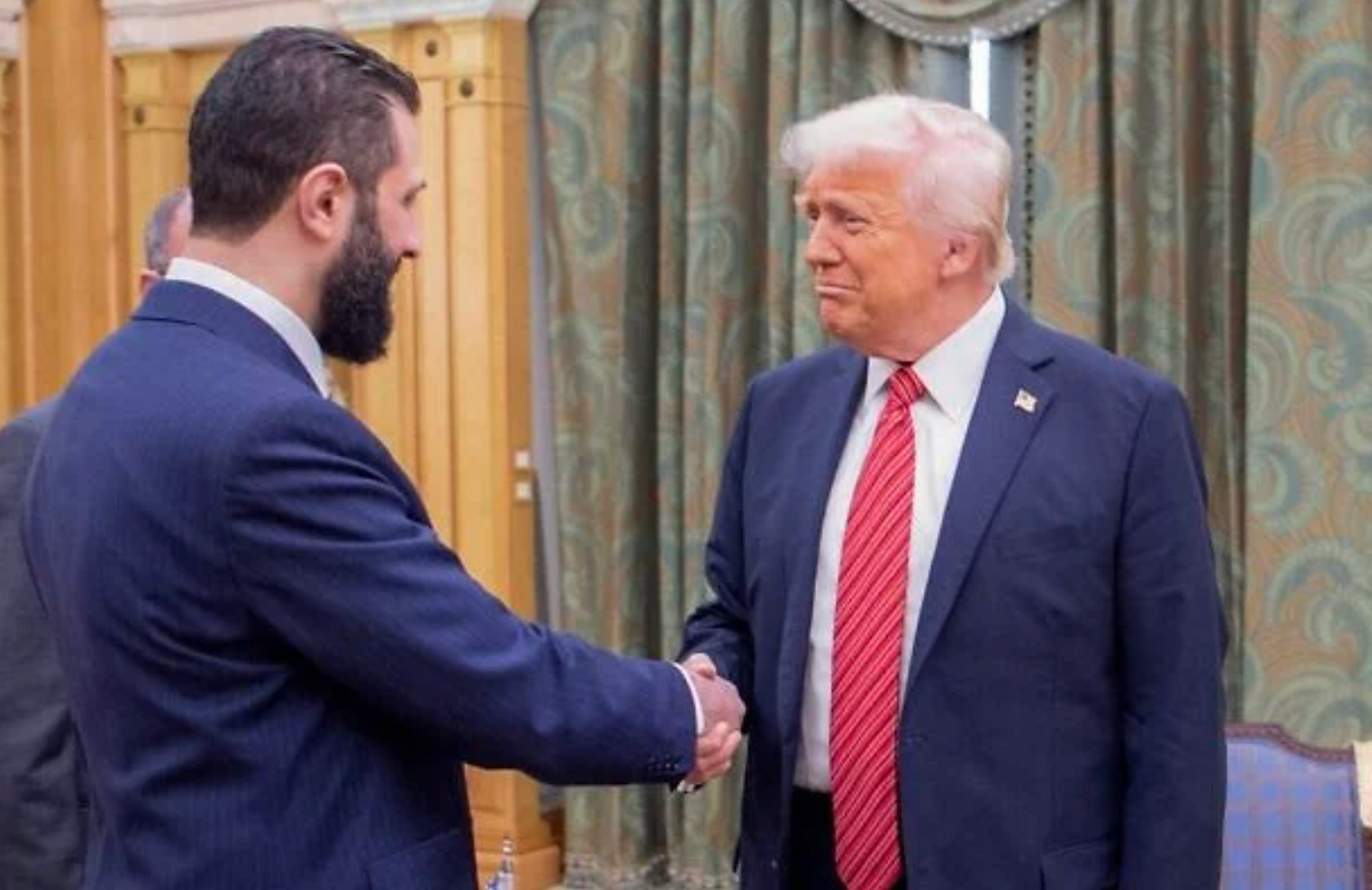
Israeli Prime Minister Netanyahu and Syrian President Al-Sharaa are expected to meet in Washington in September to sign a security agreement, marking a potential first step towards normalization, with mediation efforts by the UAE and Saudi Arabia facing obstacles related to Israel's withdrawal from the Golan Heights.

President Biden and first lady Jill Biden hosted Japan's prime minister, Fumio Kishida, at the White House for an official visit and state dinner, emphasizing the evolving U.S.-Japan Alliance and its global partnership. Private investment from companies like Microsoft, Google, Amazon, and Toyota, as well as educational exchange programs supported by Apple and the Blackrock Foundation, were highlighted. The event also saw the attendance of business leaders, billionaires, and the chairman of the Federal Reserve.
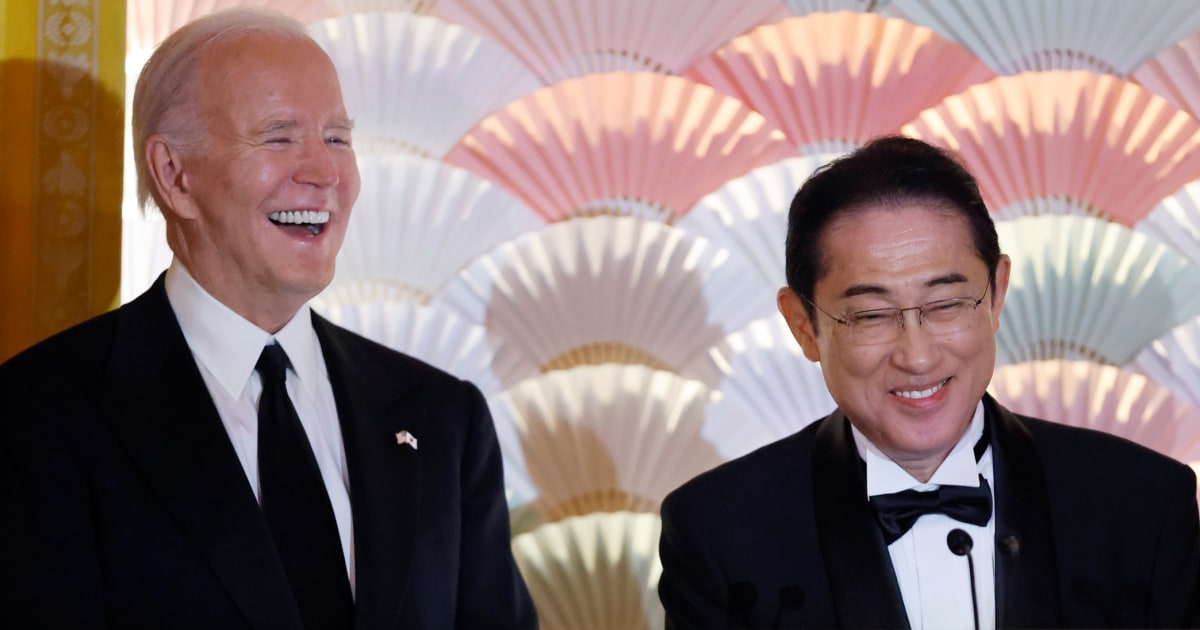
Japanese Prime Minister Fumio Kishida and President Joe Biden toasted the U.S.-Japan alliance at a state dinner, with Kishida quoting "Star Trek" and joking about boldly going where no one had gone before. The leaders pledged to strengthen their countries' interests in the face of global challenges, while notable guests including the Clintons and business moguls attended the event. The White House was transformed into a vibrant spring garden for the occasion, and entertainment was provided by Paul Simon. The dinner highlighted the "bounty of spring" in Japan and the United States, with a menu featuring dishes inspired by both countries.
Chinese President Xi Jinping held talks with former Taiwan president Ma Ying-jeou in China, marking a rare high-level meeting between the two sides. The meeting comes amid heightened tensions between China and Taiwan, with Beijing seeking to assert its claim over the self-governing island.
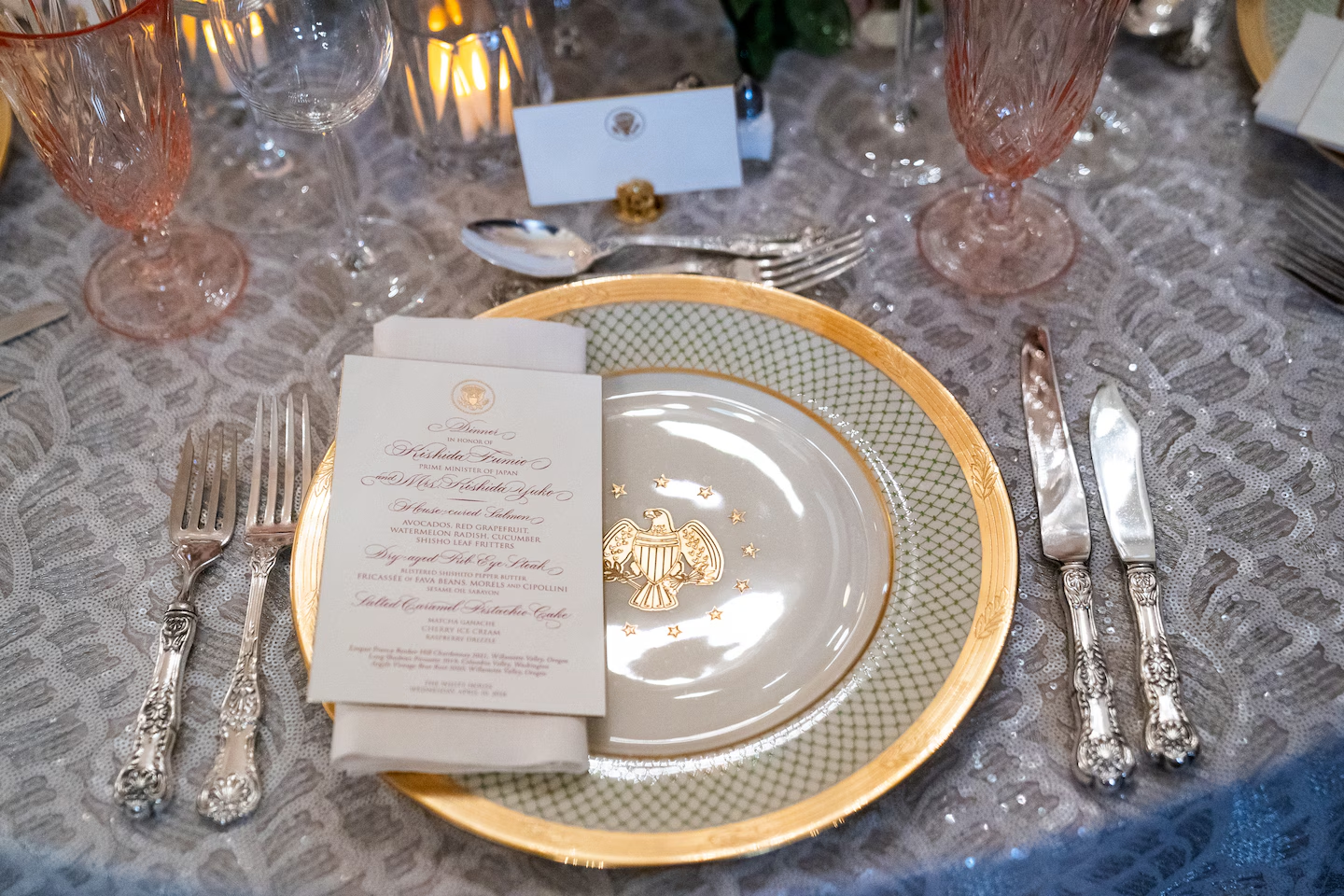
Japanese Prime Minister Fumio Kishida's visit to the White House will be celebrated with a state dinner featuring a menu that combines American produce with Japanese culinary influences, including a riff on California rolls for the appetizer and a rib-eye steak with blistered shishito pepper butter for the main course. The dinner will be adorned with Japanese motifs and 6-foot-tall hydrangeas native to both countries, and will feature wines from the Pacific Northwest.
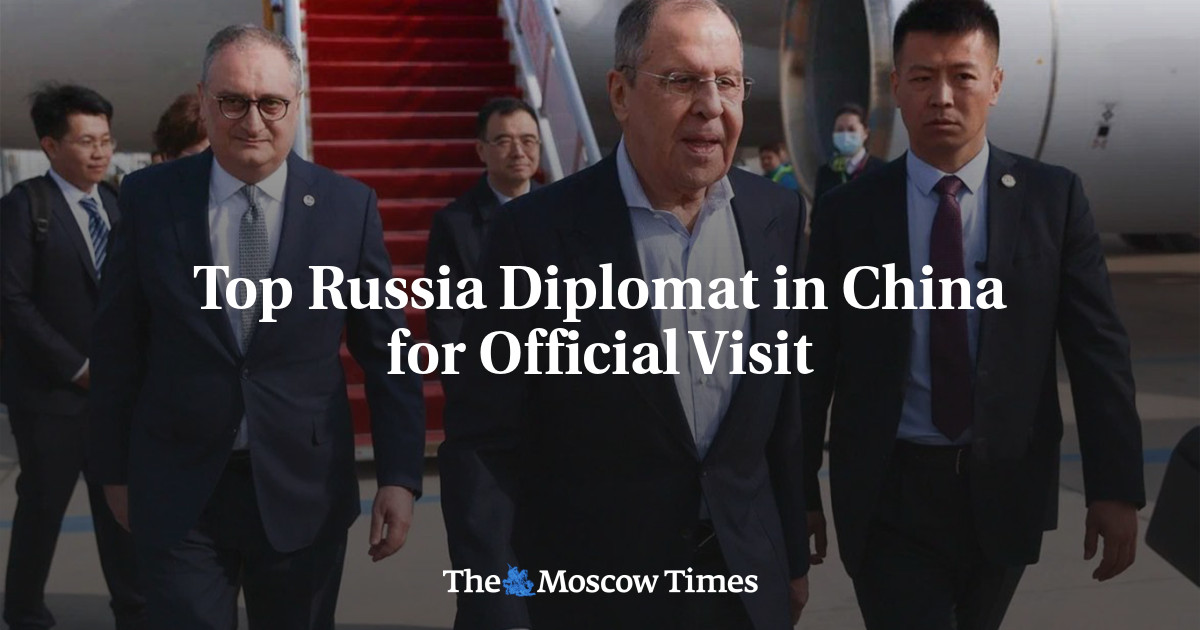
Russian Foreign Minister Sergei Lavrov is in China for a two-day official visit to strengthen diplomatic ties amid Russia's ongoing invasion of Ukraine. The visit aims to deepen cooperation on bilateral and international issues, including the Ukrainian crisis and the Asia-Pacific region. China and Russia have strengthened their diplomatic relations in recent years, with China being Russia's leading trade partner. Despite Western pressure, China maintains its neutrality in the Ukraine crisis and asserts that it will continue to promote peace talks while controlling exports of dual-use items.
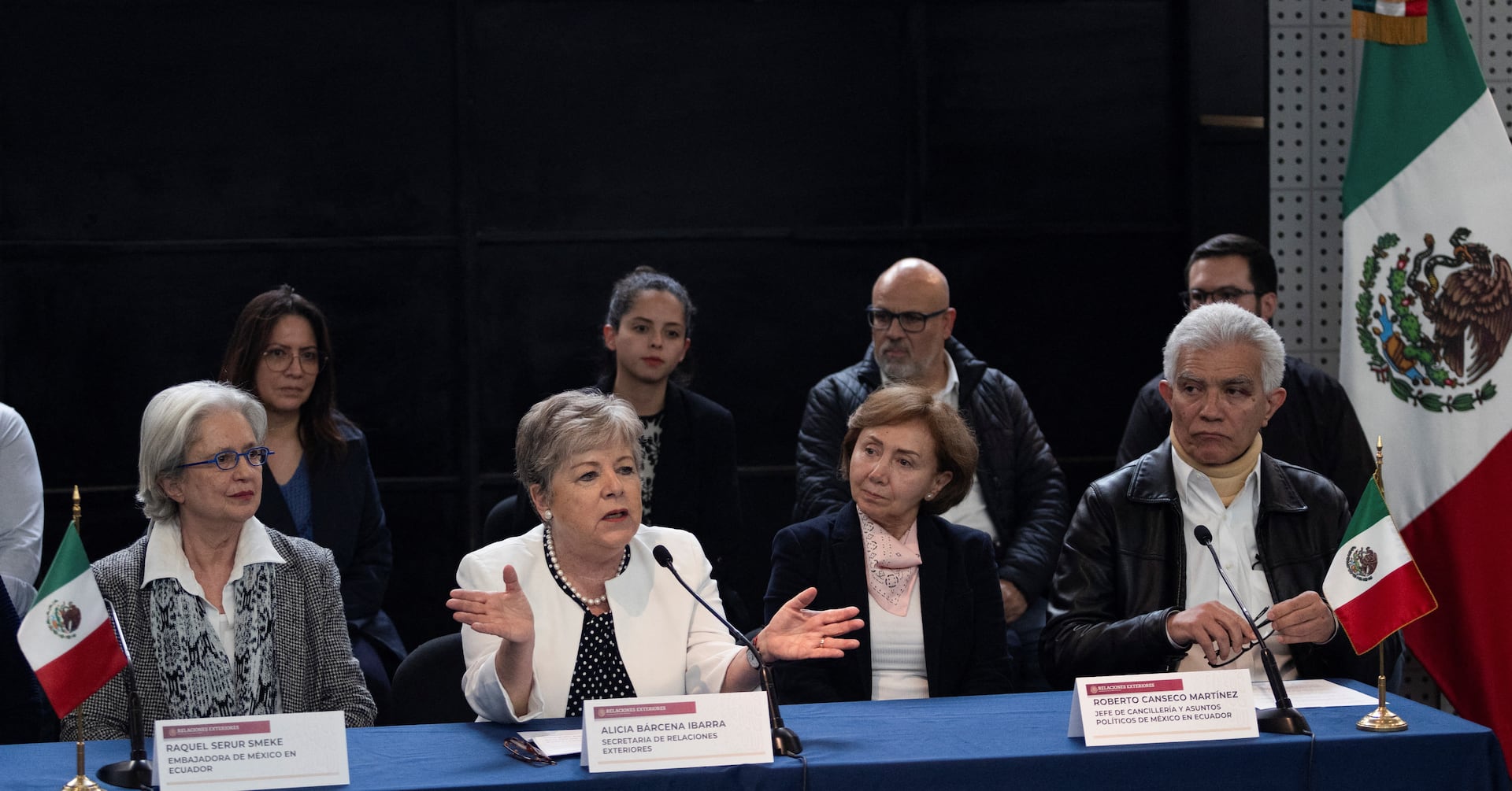
Mexico welcomed back its embassy personnel from Ecuador after an armed raid by Ecuadorean police and soldiers to arrest former Vice President Jorge Glas, who had sought asylum in the Mexican embassy. The raid led to a diplomatic break and drew global condemnation. Mexico's Foreign Minister criticized Ecuador's "physical aggression" on the embassy and plans to seek further international rebukes for President Daniel Noboa's government. Several countries, including Britain, have condemned Ecuador's incursion into the embassy.
Ecuador sparked a diplomatic crisis after its police stormed the Mexican embassy in Quito to arrest an opposition figure, prompting Mexico to denounce the violation of international law and demand respect for diplomatic premises. The incident has strained relations between the two countries, with Mexico warning of potential consequences and Ecuador expressing regret over the situation.