discoveries47.095 min read
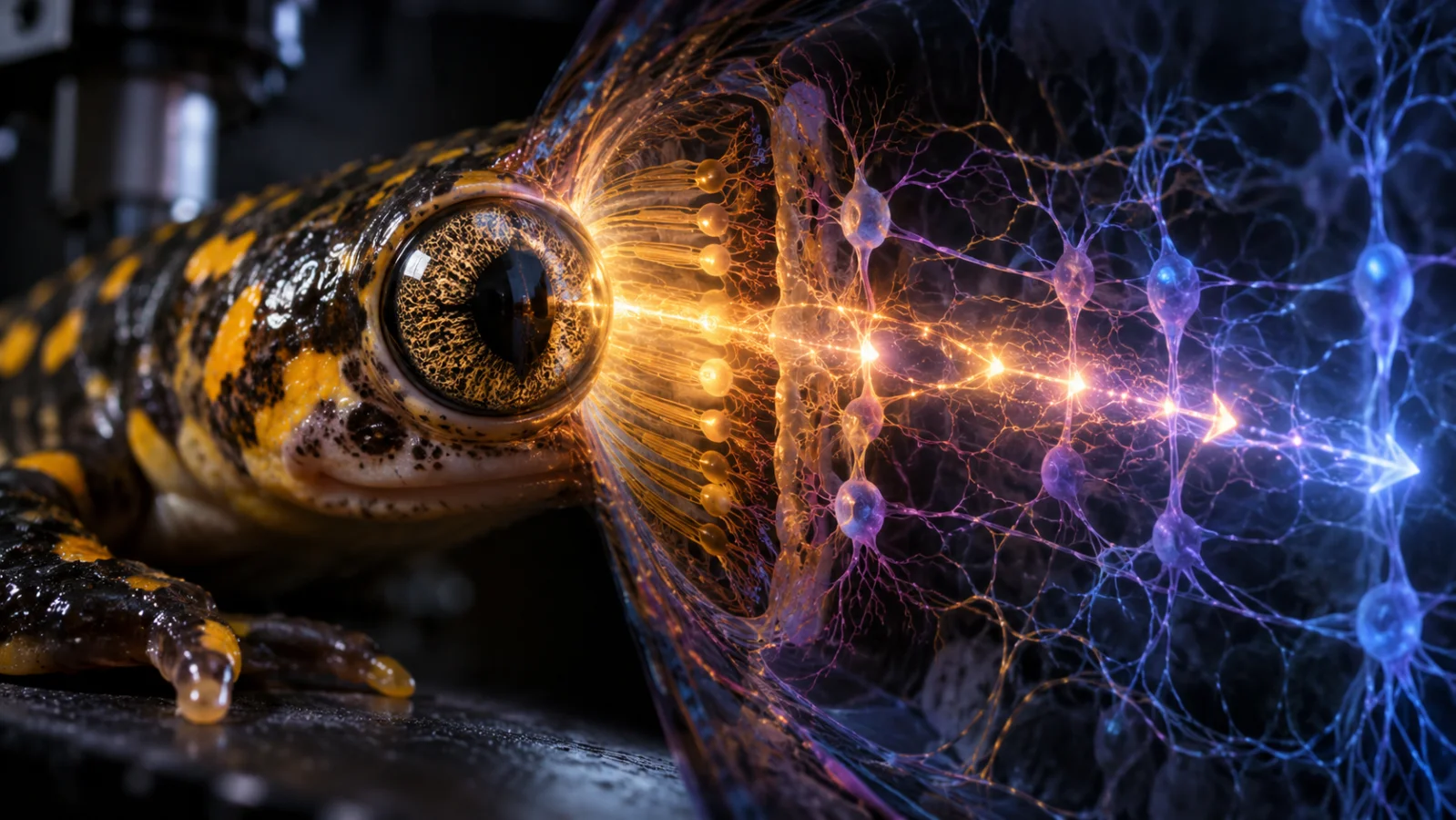
Pairs of retinal neurons drive the brain's arrow of time
4 days ago•Source: The Brighter Side of News

The latest discoveries stories, summarized by AI
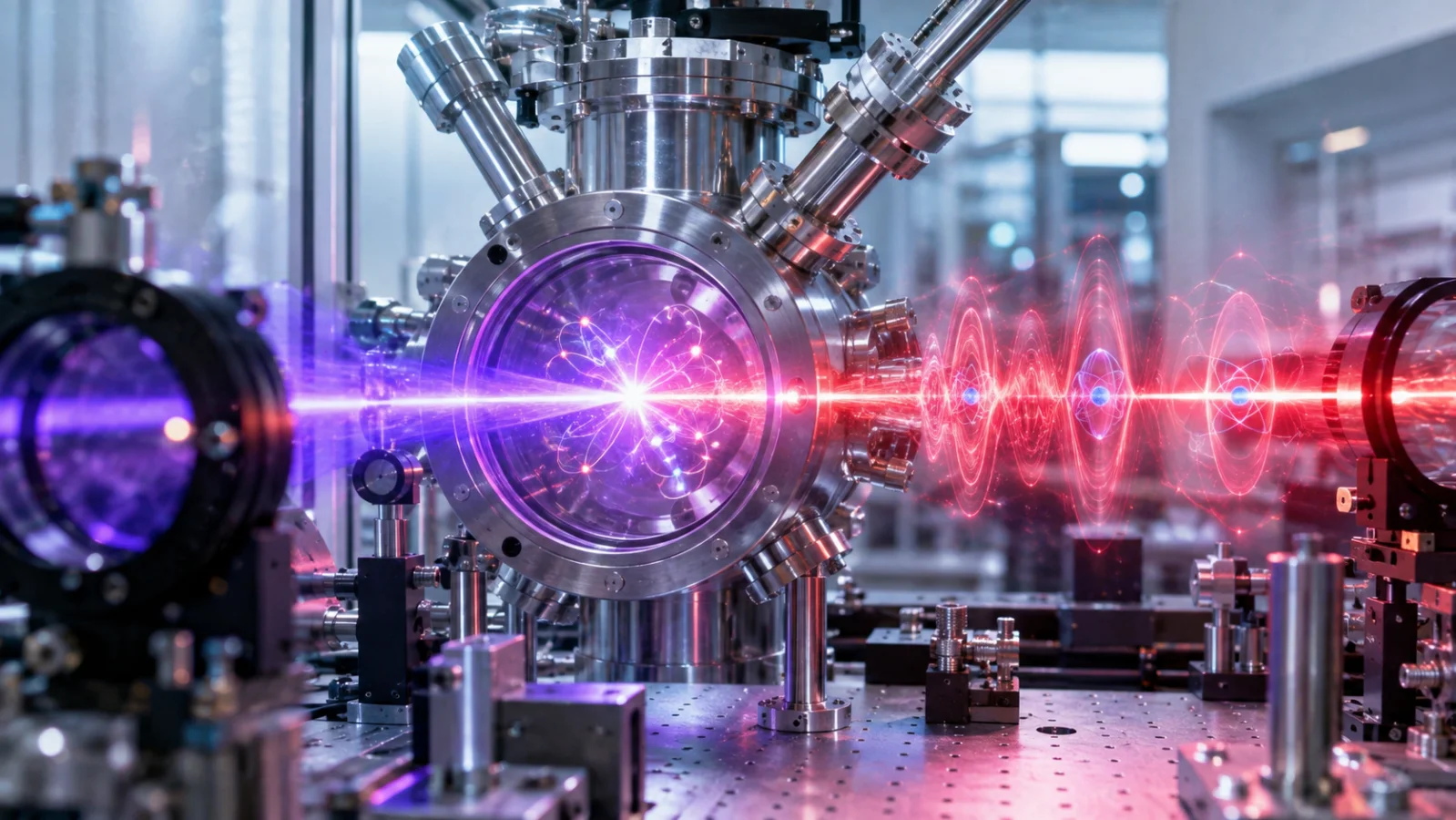
A team at Uppsala University demonstrates a “quantum watch” that reads elapsed time from evolving interference patterns among many excited helium states (Rydberg states) instead of counting clock ticks. By matching short slices of the changing quantum pattern to theory, they achieve femtosecond precision and uncover small drifts in conventional lab timing, offering a new tool for ultrafast experiments where the exact start time is hard to define.
The Brighter Side of News•1 month ago
The Brighter Side of News•1 month ago
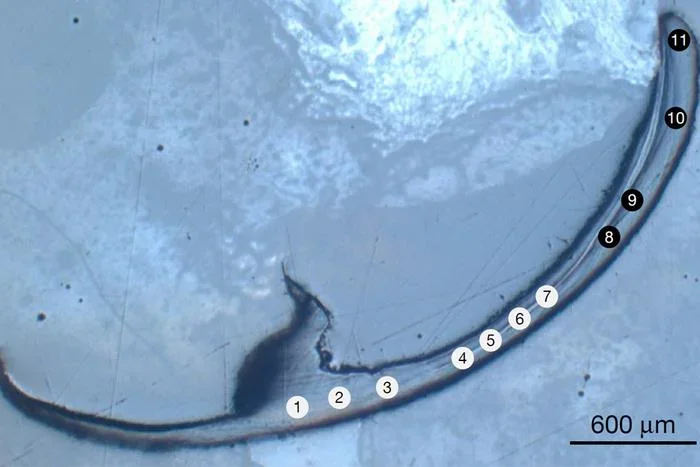
Microscopic tests of Perinereis cultrifera jaws show ion‑coordinated proteins that harden toward the tips and display metal‑like, size‑dependent elasticity, supporting a new category called bio-metals that blend polymeric structure with metal‑like hardness; researchers used nanoindentation and manifold micromechanics to define bio-metals by hardness, strain behavior, and ion‑protein structure and plan to study more species and potential genetic links to material design.
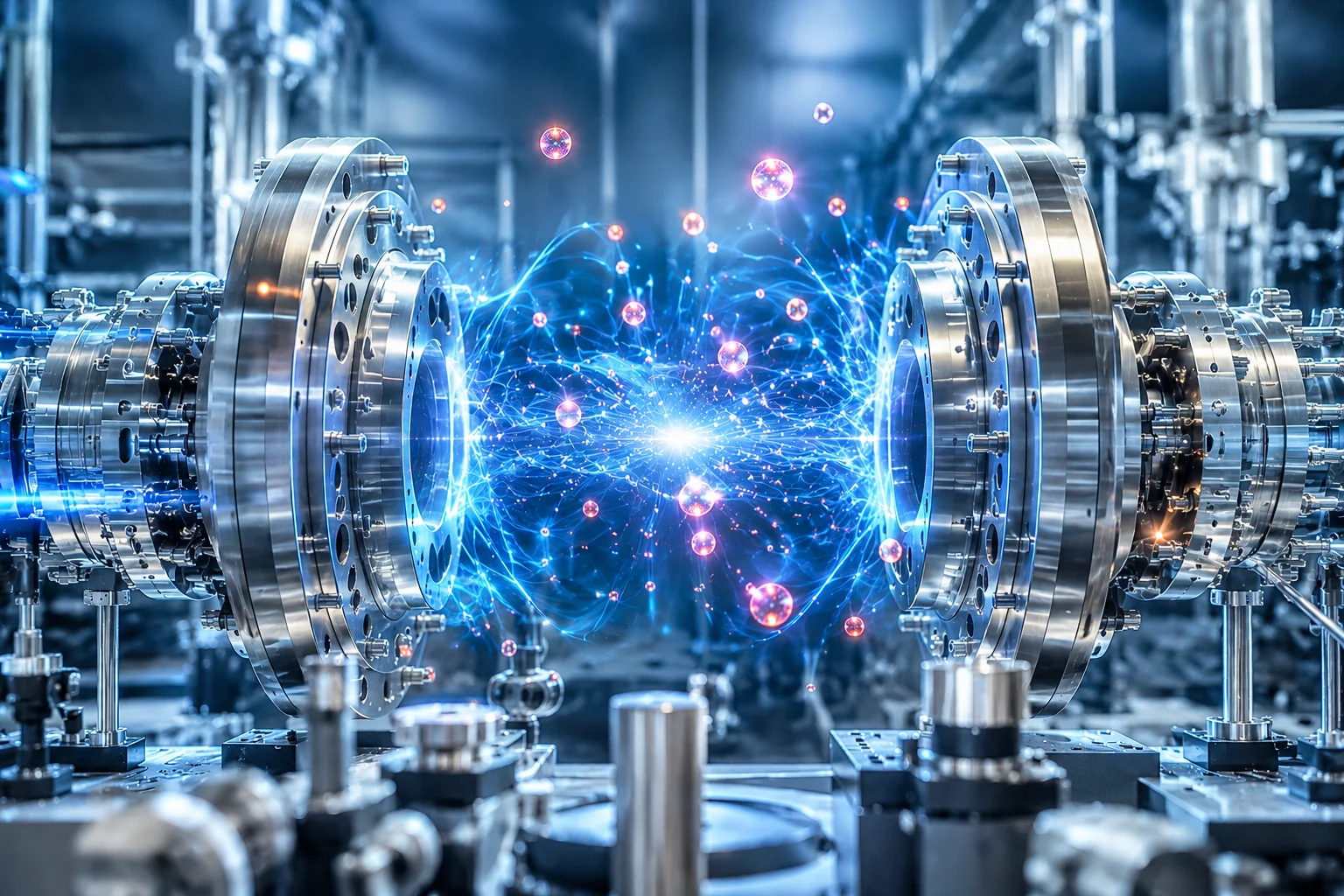
Brookhaven National Laboratory and Stony Brook University, using RHIC’s STAR detector, observed short-range spin correlations between lambda and anti-lambda hyperons produced in high-energy proton collisions. This implies virtual quark–antiquark pairs from the quantum vacuum can be liberated into real particles and retain a spin imprint, providing direct evidence of vacuum structure and offering a new way to probe quark confinement and the proton spin puzzle.
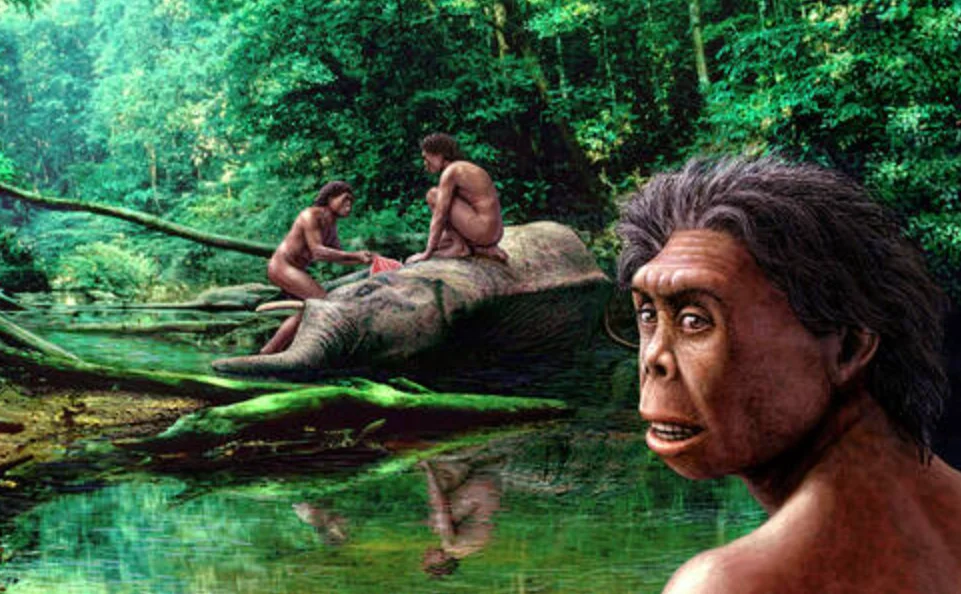
A long-term drought on Flores, inferred from stalagmite records and Stegodon tooth enamel, dried rivers and prey around Liang Bua, likely forcing Homo floresiensis to retreat and eventually vanish from Flores around 61,000 years ago; there is no evidence of direct contact with modern humans at the site, suggesting climate-driven ecological collapse rather than a violent extinction.
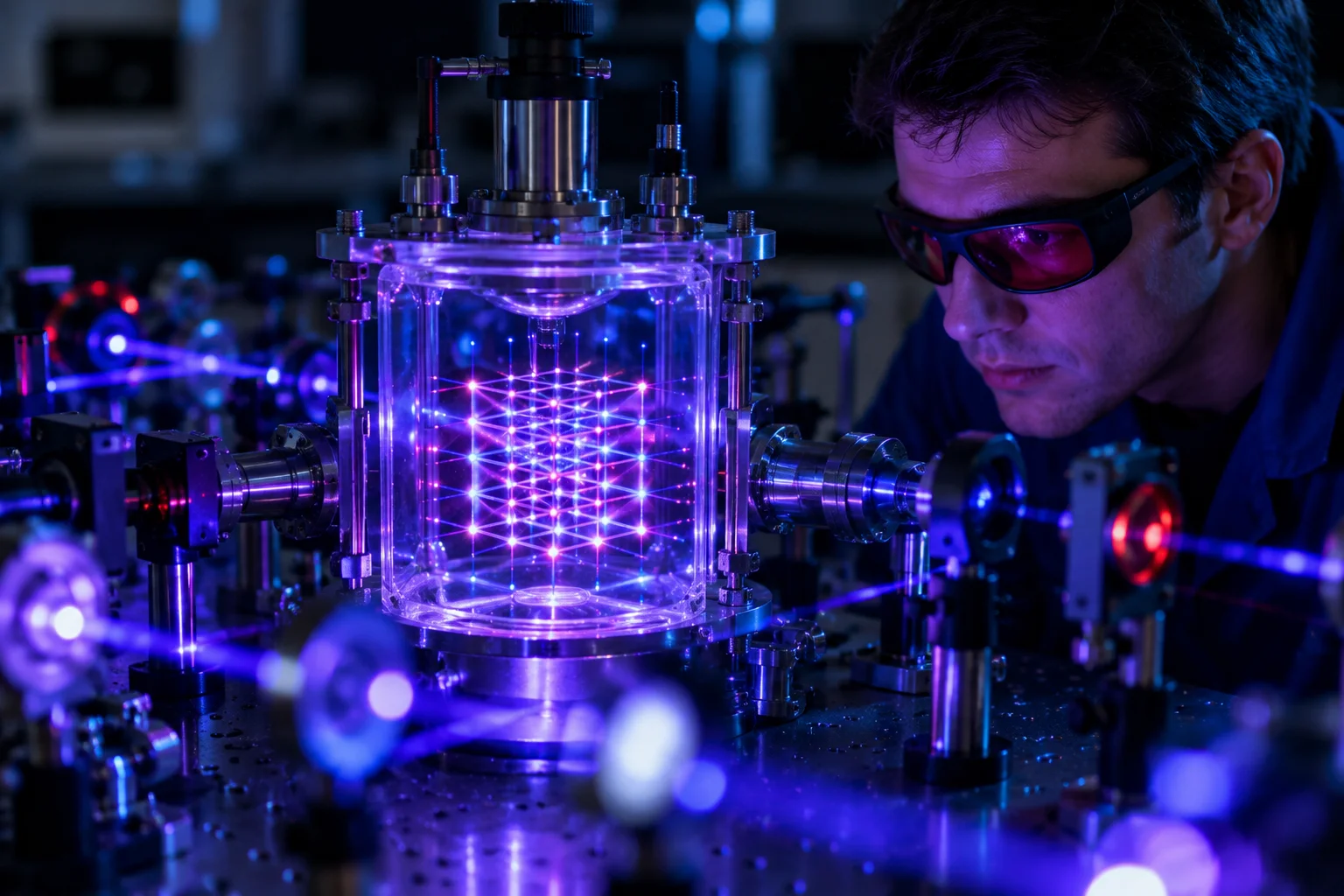
Ultracold potassium atoms in a controlled optical lattice reveal that increasing collisions initially raise resistivity but then saturate, showing a lattice-bound upper limit to collision-driven transport and offering a cleaner window into resistivity in low-density quantum materials.
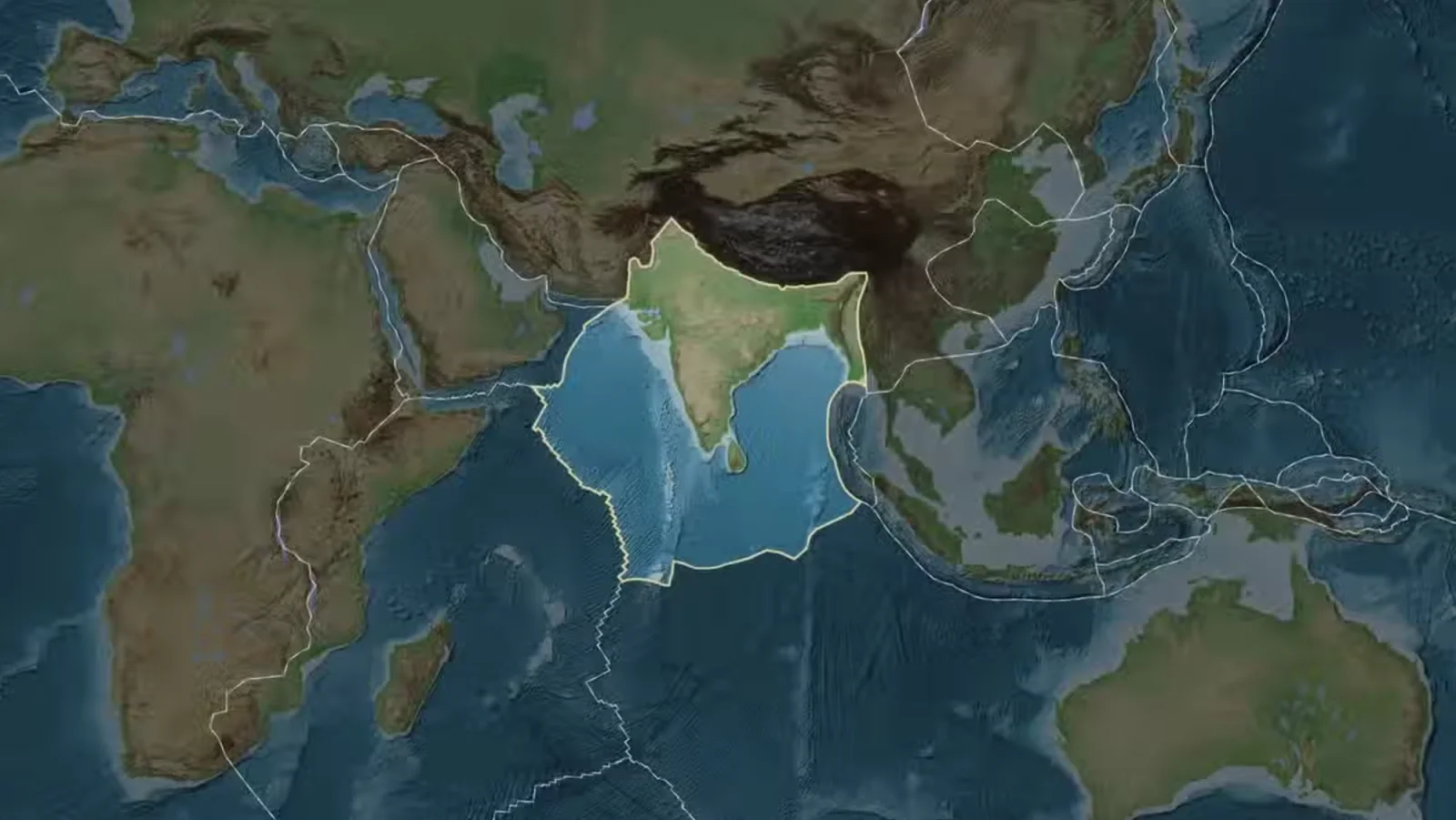
New seismic evidence shows the Indian Plate beneath southern Tibet is peeling away and tearing, with delamination of the mantle lithosphere and a tear likely forming a patchwork beneath the Himalayas and Tibetan Plateau. By combining S-receiver functions and shear-wave splitting across thousands of stations, researchers map two mantle domains and surface gas signals that hint at mantle sources. The work challenges the classic single-slab view of continental collision and highlights deep Earth processes that shape mountain building and earthquake hazards in Asia.
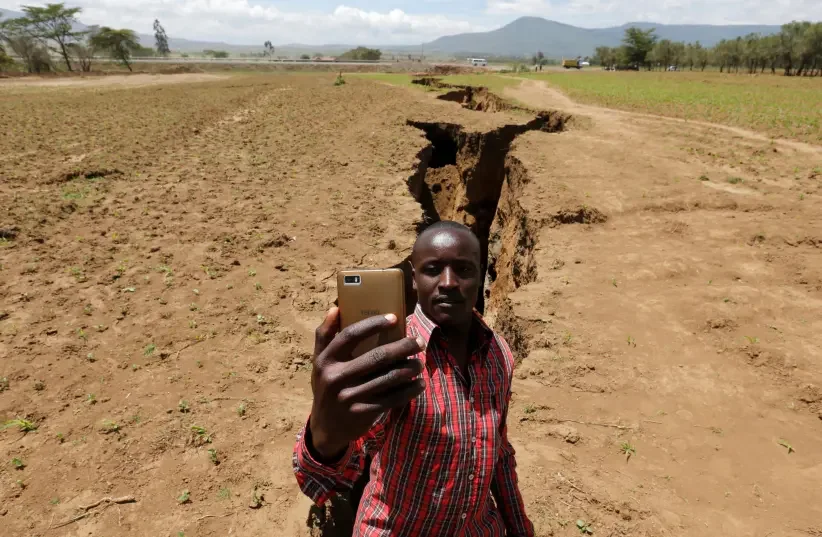
GPS-based analysis shows Nubia and Somalia are slowly pulling apart along the East African Rift, with the Afar region experiencing the fastest opening (up to about 6.9 mm/year). This slow continental breakup signals the early formation of a new ocean basin over millions of years, potentially reshaping Africa’s coastlines and tectonic framework.
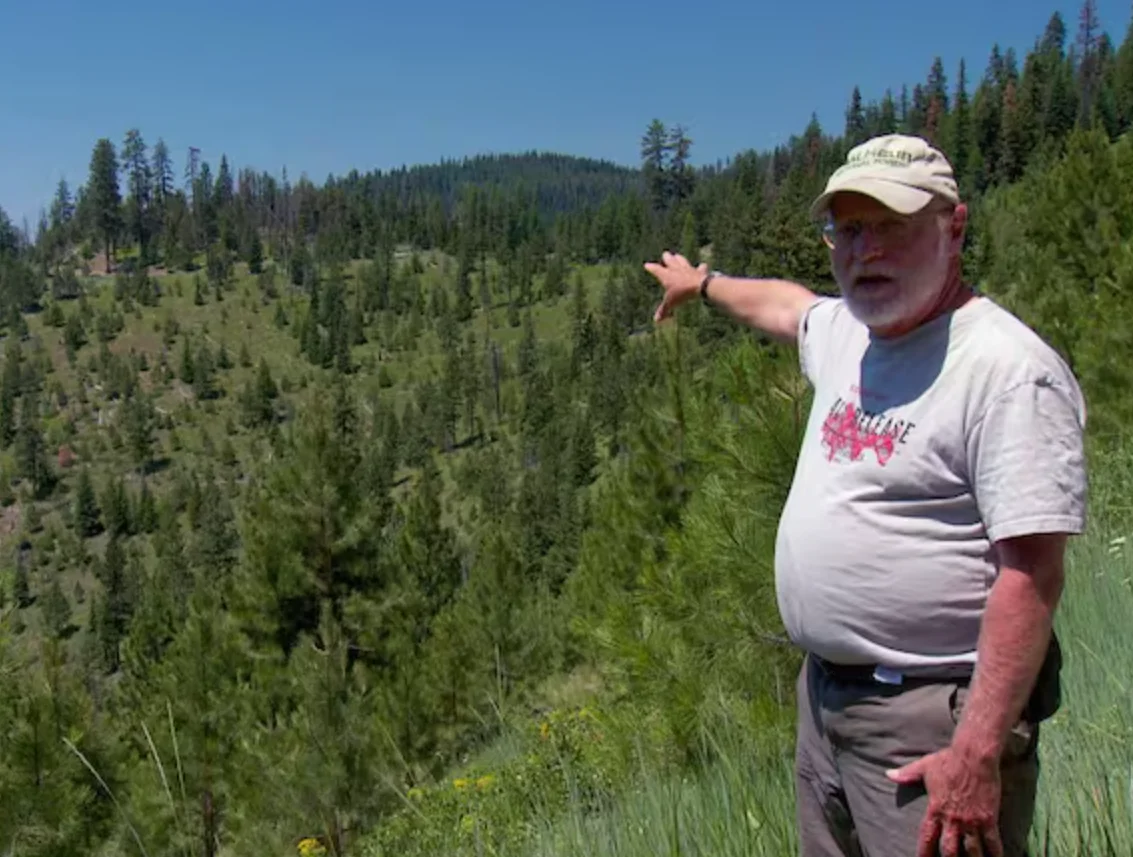
Researchers mapped a single Armillaria ostoyae fungus beneath Oregon’s Blue Mountains that spans about 9.65 square kilometers and may be thousands of years old, making it the largest known organism on Earth; the discovery challenges how we define an individual, underscores the fungus as a long-running forest pathogen, and suggests management should focus on reducing impact rather than eradicating it.