
health-and-families10 min read
Laptop Heat Linked to 'Toasted Skin Syndrome' in Children
1 month ago•Source: The Independent
View original source
The latest health and families stories, each synthesized from multiple sources with added background and context.
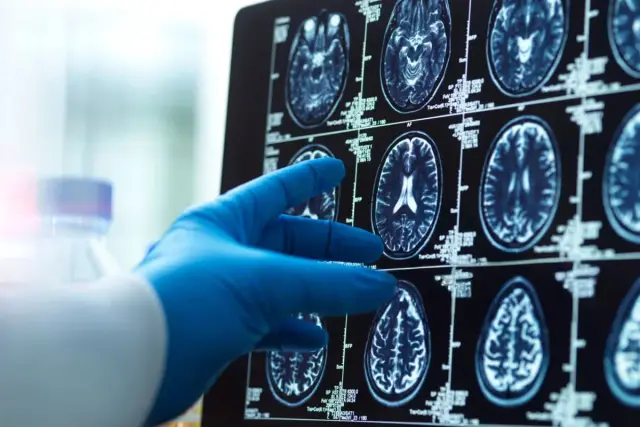
Functional neurological disorder (FND) is a common but often misdiagnosed condition where the brain's communication between body and mind malfunctions, causing real physical symptoms like seizures or paralysis despite normal test results. For decades, patients faced a diagnostic gap, leading to dismissal of their symptoms as 'all in their head.'

The Independent•3 months ago
The Independent•3 months ago

A study from Australia and Brazil found that ultraprocessed foods can impair attention and cognitive processing speed after just one bag of chips, even in middle-aged adults whose overall diet contained about 41% ultraprocessed foods. The effect, observed in more than 2,100 participants, occurred within minutes and persisted despite otherwise healthy eating patterns like the Mediterranean diet. Researchers say additives and the degree of processing may drive this link, which aligns with prior work showing higher ultraprocessed intake associates with increased dementia risk factors (and a Harvard Medical School study suggesting a 25% higher dementia risk with higher ultraprocessed consumption). The findings highlight that not only nutrition but also ultra-processing itself may impact brain function.

Seven essential actions when you spot a stroke: use the FAST test (face, arms, speech, time), call 999 immediately, stay calm and note onset time, keep the person upright and comfortable, don’t give food/drink or medications before professionals arrive, don’t delay if symptoms pass, and don’t drive them—wait for paramedics who will take them to the right unit. Time is brain, and rapid treatment improves outcomes; resources include the Stroke Association and the stroke helpline.

The Independent reports Americans already get two-thirds of daily protein from meat, but health experts say the best protein sources aren’t limited to red meat. Lean meats and plenty of plant-based proteins—beans, lentils, nuts, and soy—can boost fiber, minerals, and heart health. Federal guidance emphasizes balancing protein with fiber-rich options, suggesting small swaps (not elimination of meat) to improve overall diet and nutrition.