
language0.965 min read
Lexicon Growth: Merriam-Webster Adds 1,400 New Words, From Trash Panda to Cuffing Season
23 days ago•Source: BBC

The latest language stories, each synthesized from multiple sources with added background and context.
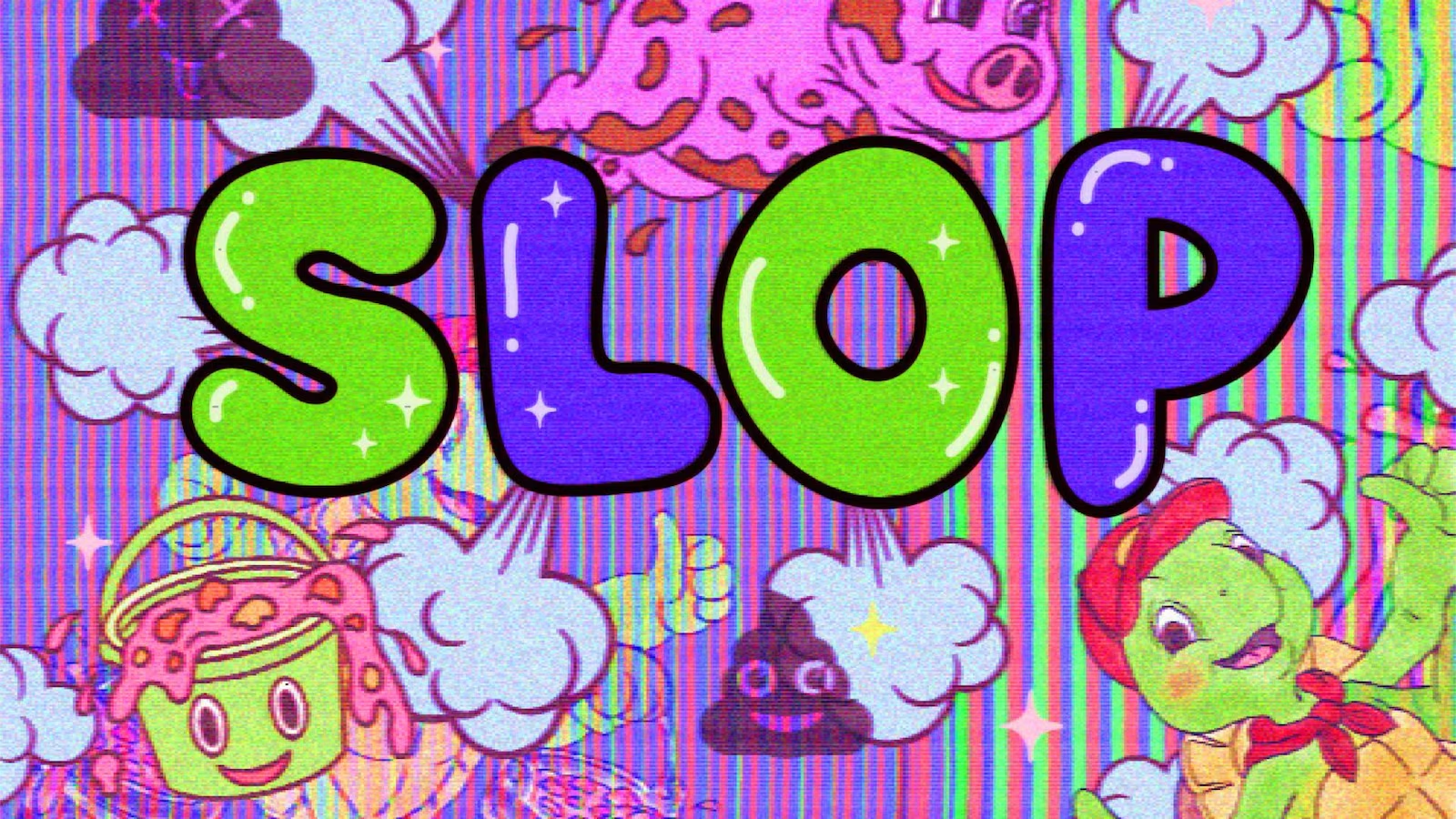
Merriam-Webster's 2025 word of the year is 'slop,' reflecting concerns about low-quality AI-generated digital content and a desire for authenticity, amidst the rise of generative AI tools and misinformation online.

The Oxford Word of the Year for 2024 is 'brain rot,' a term reflecting concerns about the mental impact of consuming excessive low-quality online content, particularly on social media. The term, which saw a 230% increase in usage, is popular among Gen Z and Gen Alpha, often used humorously to describe trivial content. It highlights societal worries about digital consumption's effects on mental health, especially in youth, and continues the conversation about the influence of internet culture on language and society.

"Brain rot" has been named Oxford's word of the year for 2024, highlighting concerns over the impact of excessive consumption of trivial online content, particularly on social media. The term, which dates back to 1854, reflects current cultural conversations about technology's influence on mental states. It was chosen from a shortlist of six words, with significant input from public voting. The selection underscores the growing awareness of digital content's effects, especially among younger generations like Gen Z and Gen Alpha.
Oxford has selected 'Brain Rot' as its Word of the Year, reflecting its growing usage and cultural relevance.
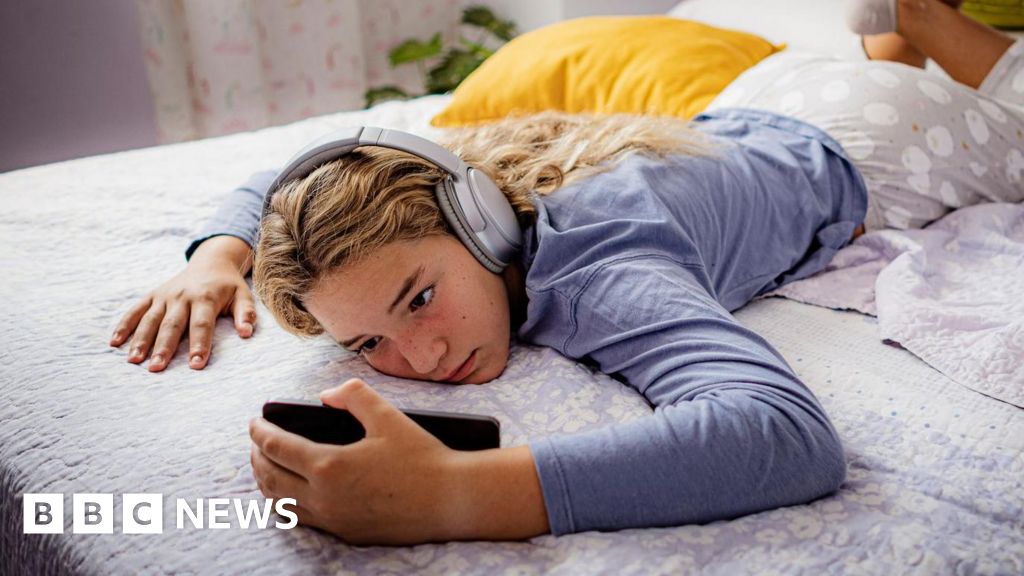
"Brain rot" has been named the Oxford University 2024 Word of the Year, reflecting concerns about the impact of consuming excessive low-quality online content, particularly on social media. The term, which saw a 230% increase in usage from 2023 to 2024, describes the perceived deterioration of mental or intellectual capacity due to trivial content consumption. Although first used by Henry David Thoreau in 1854, it has gained popularity among Gen Z and Gen Alpha. Oxford Languages President Casper Grathwohl notes the word highlights societal anxieties about virtual life.