
privacy-and-security15.775 min read
Public Teraleak Unmasks a Forgotten Steam Archive of Lost Builds
1 month ago•Source: Gizmodo

The latest privacy and security stories, each synthesized from multiple sources with added background and context.

Bloomberg’s Mark Gurman reports Apple weighed a 'white-glove' plan to ship leased devices preloaded with a user’s iCloud data, removing setup friction; the data-loaded approach raised privacy concerns and was not pursued, as public sentiment shifted from privacy nihilism to a privacy backlash and Apple tunes its messaging ahead of new products like smart glasses.

Gizmodo•3 months ago
Gizmodo•3 months ago

A new Android app called Nearby Glasses scans Bluetooth advertising signals to alert users when camera-enabled smart glasses from Meta, Snap, and others are nearby, aiming to counter covert filming in public. The developer notes the system can produce false positives and an iOS version is in development; Meta and Snap didn’t comment. The story frames the tool within broader concerns about wearable surveillance and potentialMeta features like facial recognition.

An open-source, always-on AI assistant named Moltbot can push proactive prompts and operate across apps, but its need for deep system access and constant connectivity creates serious security risks, including prompt-injection attacks and exposed admin ports; experts warn it is not ready for broad use and urge caution.

Wegmans in NYC has expanded its biometric data collection to all shoppers, capturing facial, eye, and voice data without clear assurances on data storage or sharing, raising privacy concerns and sparking criticism from privacy advocates and some shoppers.

The article provides a 7-step checklist for travelers to quickly detect hidden cameras in Airbnb rentals using technology like Wi-Fi and Bluetooth scans, flashlight sweeps, infrared detection, and camera-spotting apps, emphasizing the importance of safeguarding privacy during stays.

The article provides detailed advice on how protesters can prepare their phones for demonstrations by securing their devices with passcodes, disabling location tracking, encrypting data, neutralizing notifications, and being cautious about sharing content, to minimize surveillance and legal risks.
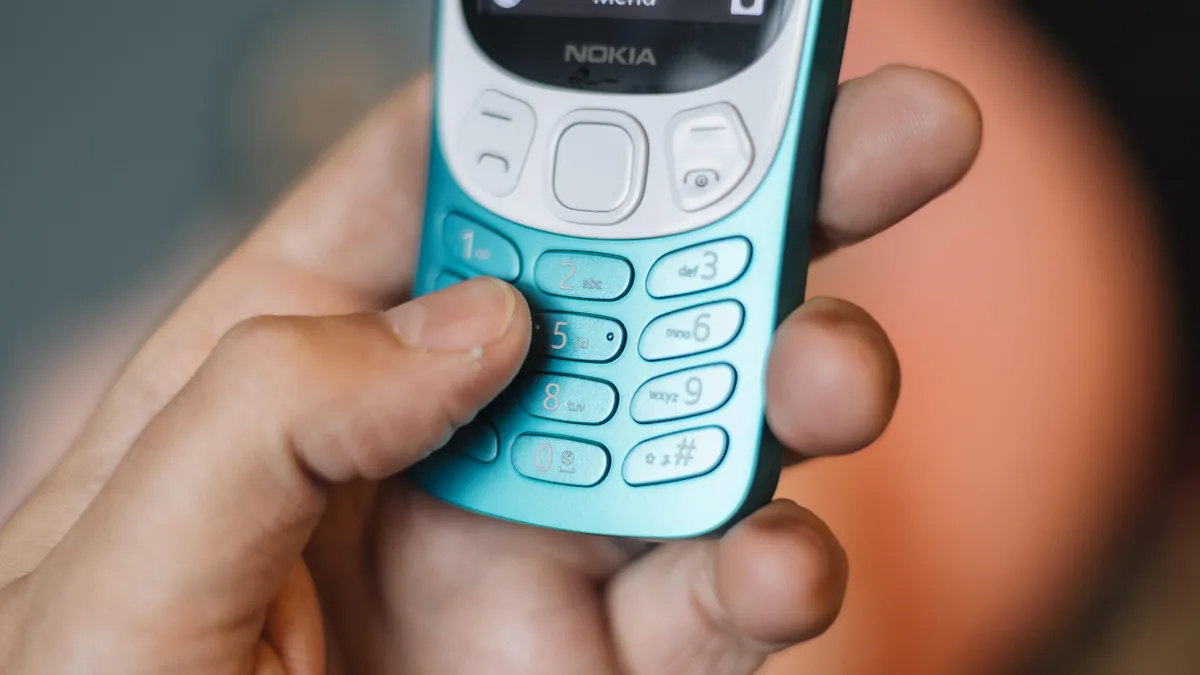
Using a burner phone, a cheap prepaid device that can be disposed of after use, is an effective way to protect personal data during border crossings and reduce digital distractions, as it limits the amount of personal information stored and minimizes tracking. Burner phones are widely available at retail stores and can be purchased with cash for anonymity, making them a popular choice for privacy-conscious individuals.
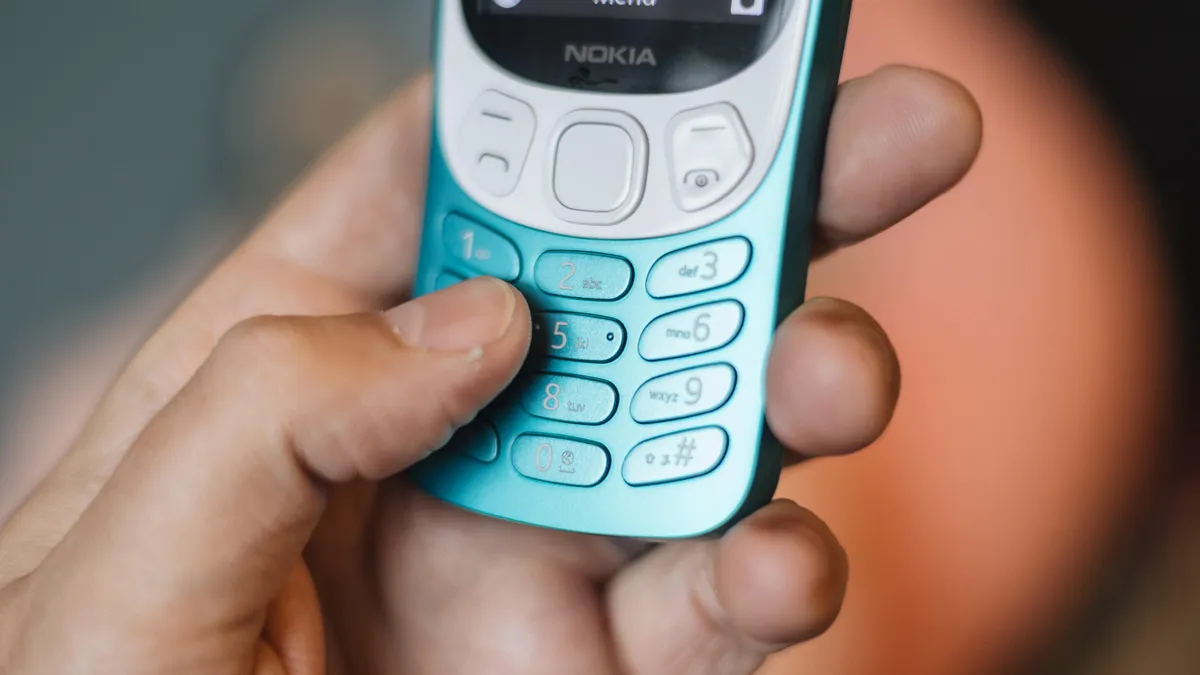
The article discusses the increasing use of burner phones as a privacy measure to prevent border agents from snooping through personal devices, highlighting their affordability, ease of use, and benefits for maintaining anonymity and reducing digital footprint, especially during border crossings or for general privacy concerns.
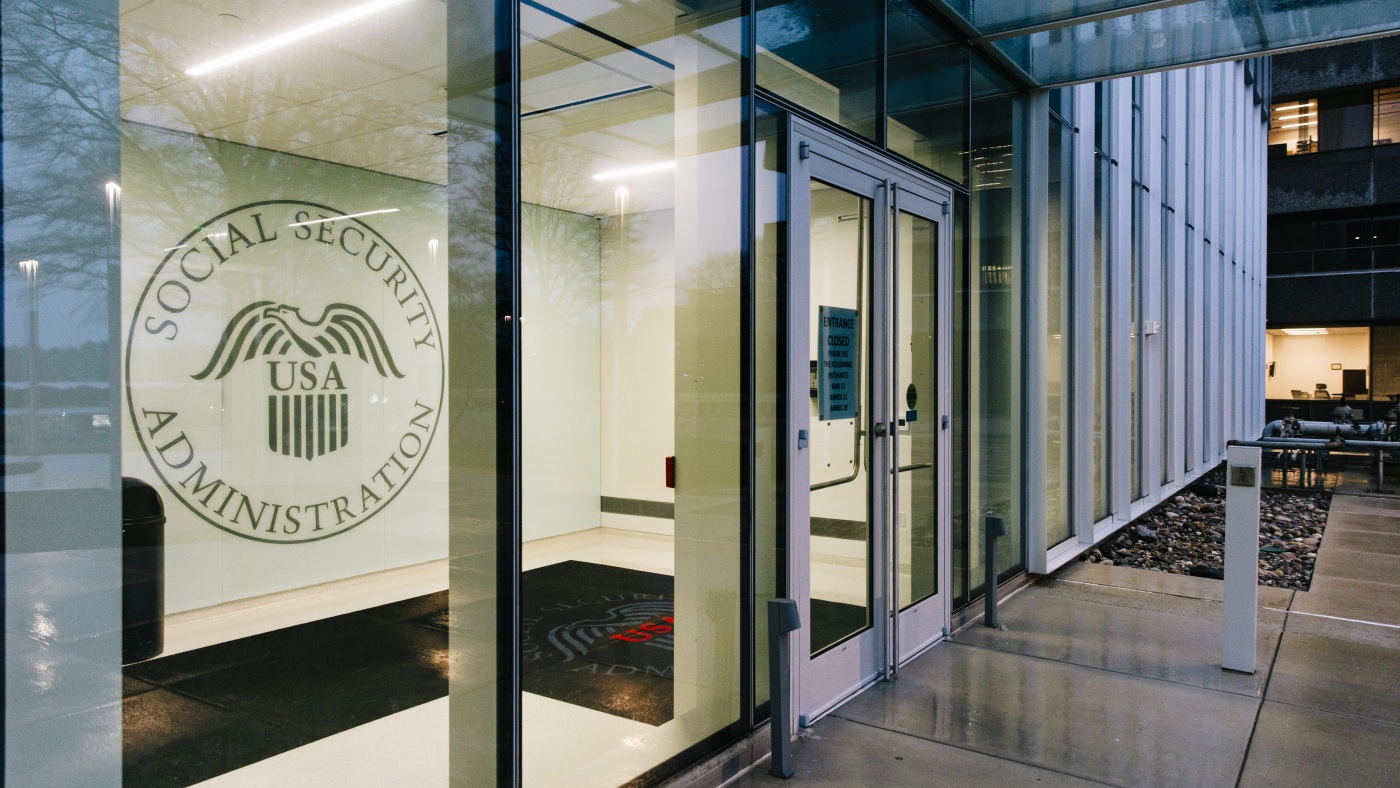
A whistleblower claims that former officials at the Department of Government Efficiency copied the personal data of over 300 million Americans, including Social Security numbers, to a private, inadequately secured server within the SSA's cloud infrastructure, raising concerns about potential data exposure and misuse, despite SSA's assurances of data security.
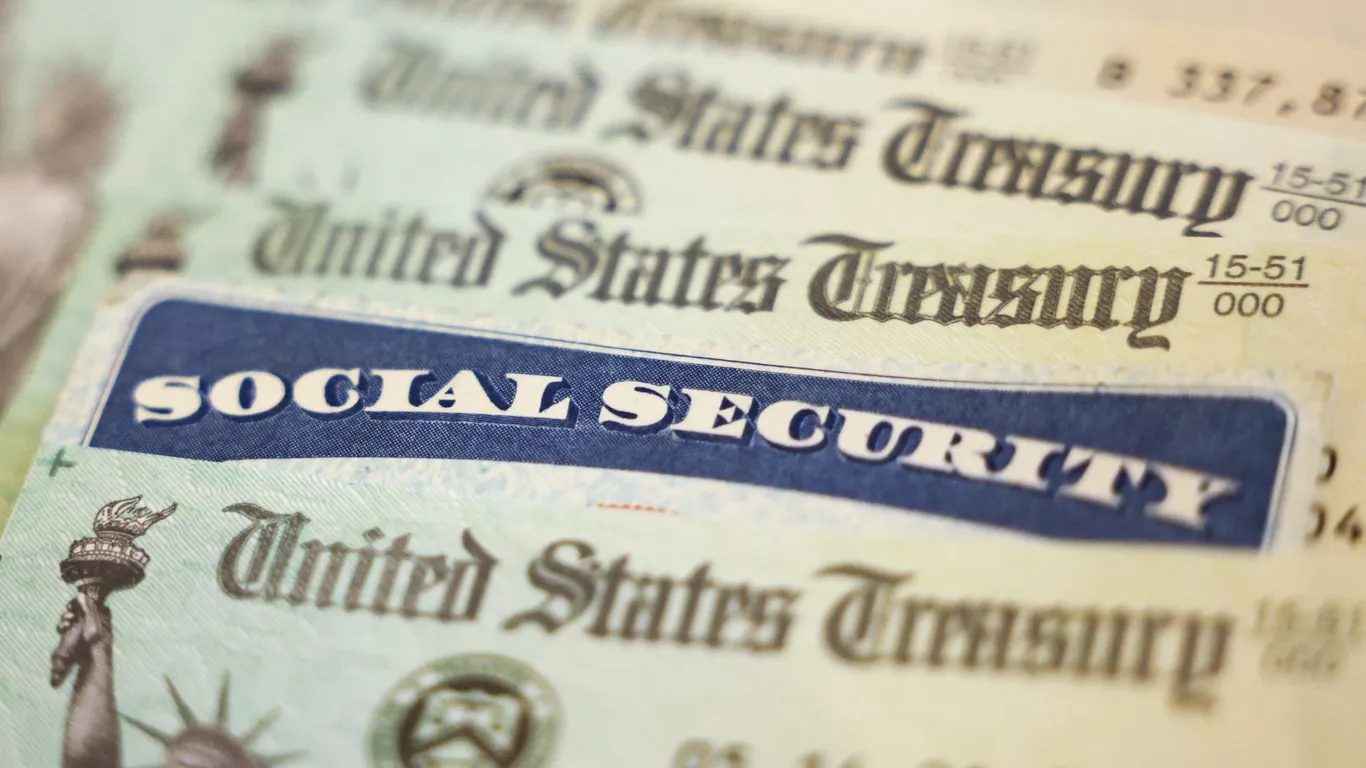
A whistleblower has revealed that the Department of Government Efficiency uploaded a massive, unsecured Social Security database to the cloud, risking sensitive personal information of over 300 million Americans, raising concerns about identity theft and data security, despite official assurances of safety.

Russia is restricting secure communications by blocking end-to-end encrypted calls on WhatsApp and Telegram, citing security concerns, amidst broader efforts to control internet use. The article also covers various security incidents and measures, including accidental disclosures by ICE agents, alleged Russian hacking of a Norwegian dam, and increased facial recognition deployment in the UK.