science-policy8.01 min read
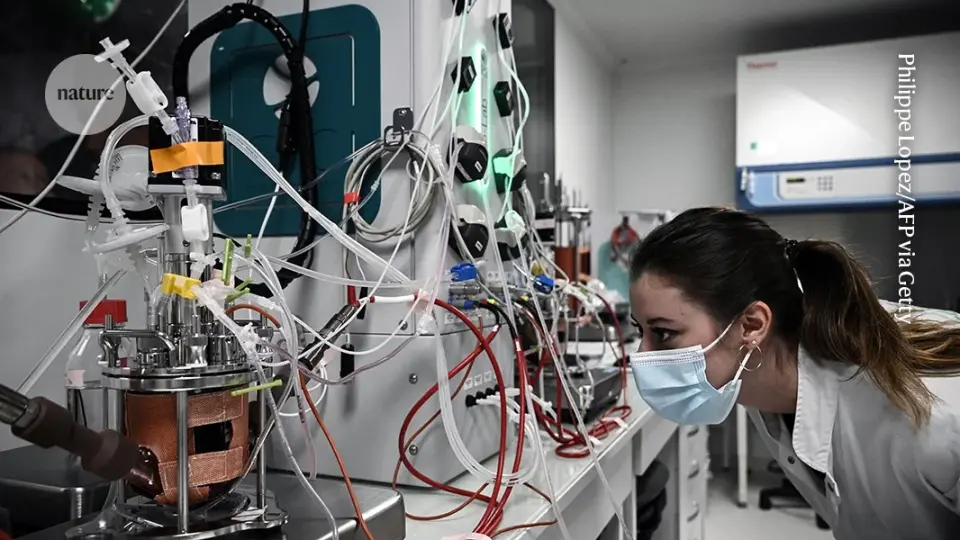
Europe’s blueprint to become a bioengineering powerhouse: three bold changes
2 months ago•Source: Nature

The latest science policy stories, each synthesized from multiple sources with added background and context.

Generative AI accelerates the publish-or-perish pressure by enabling rapid fabrication of papers, with detectors often lagging behind increasingly convincing AI-made content. While disclosure norms and screening tools help, experts say the core fix is systemic: reward quality over quantity, adopt data attestations and provenance standards, and align funders, institutions, and publishers to slow AI-enabled fraud. Detection buys time, but meaningful reform requires changing the incentives that drive researchers to publish large volumes.
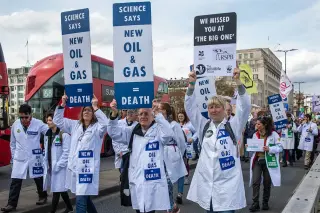
UK data show trust in science remains relatively high but fragile and uneven across ideological groups; perceived bias—often linked to COVID-19—can erode confidence. The author argues scientists should recognise their own political biases and follow six public‑facing practices to put people at the heart of science and policy, thereby sustaining trust in science.
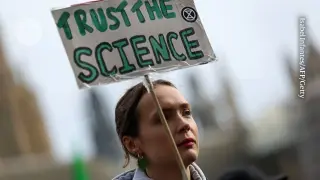
The piece argues that trust in science is not collapsing globally; surveys show middling to high trust, but confidence varies by country and group, with political polarization, perceived elitism, and rising vaccine hesitancy. It urges nuanced measures of trust, transparent communication about uncertainties, and greater public involvement in research priorities to address concerns and strengthen science’s link to society.
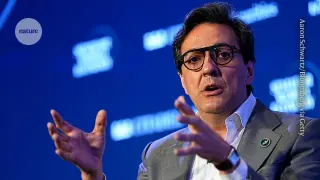
Darío Gil, the DoE’s science under-secretary, is leading a high-profile push into AI and quantum science through the Genesis initiative, which aims to create an overarching AI platform that connects scientific instruments, supercomputers, and data across 17 national labs. The first Genesis funding round drew about 5,000 proposals and $293 million in awards, with the program totaling roughly $520 million so far. The effort coincides with a 2028 target to build a fault-tolerant quantum computer, even as researchers worry that basic-science funding could be squeezed by AI investments. Gil argues the funds will remain spread across disciplines and emphasizes collaboration with industry and academia to harness, safeguard, and guide AI’s future.

ArXiv will bar authors from posting for one year if a submission contains AI-generated hallucinated citations or other clear signs of unverified AI use, and authors must have work accepted at a reputable peer-reviewed venue before reposting. The policy aims to curb AI 'slop' in preprints but has sparked debate about whether bans address root causes, with supporters praising accountability and critics arguing for broader fixes and cross-platform cooperation.

The White House fired the entire National Science Board that oversees the NSF, leaving the agency without a board, director, or deputy and offering a rationale linked to a 2021 Supreme Court decision. Critics warn the move could undermine NSF’s independence and hand more control to the executive branch, risking instability in U.S. scientific leadership; lawmakers and scientific groups urge oversight and a rapid reestablishment of governance with diverse expertise while leadership vacancies are addressed.
China’s National Science Library has stopped publishing the CAS Journal Partition Table, ending a 20+ year tool for evaluating journals and guiding hiring, funding, and promotions; a private group, Xinrui Scholar, has launched a new ranking using the same methodology, raising questions about independence and transparency and whether it will replace the CAS system or spur broader reform away from journal-based metrics, with early‑career researchers potentially bearing the brunt of the disruption.

AI-assisted NIH grant proposals appear about 4% more likely to be funded and yield more papers, but they tend to resemble prior work, raising concerns about reduced novelty and potential homogeneity; NSF proposals show no funding advantage from AI use. Findings come from an arXiv preprint analyzing NIH/NSF submissions and AI-rewritten abstracts, and are not yet peer reviewed.
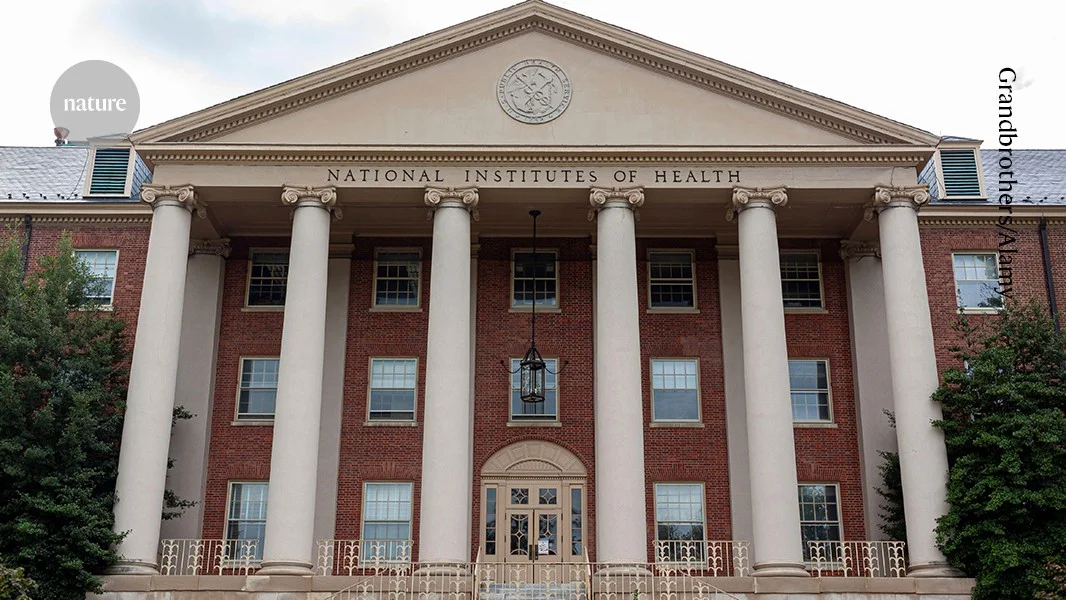
NIH faces a potential freeze on new grants as 13 advisory councils may have no voting members by year-end 2026, since council approval is required for funding; replacements are slow and rosters show no new members since September, though some terms can be extended, the overall risk to grant funding remains.