
NHTSA expands probe into GM eBoost brake failures affecting 1.1 million vehicles
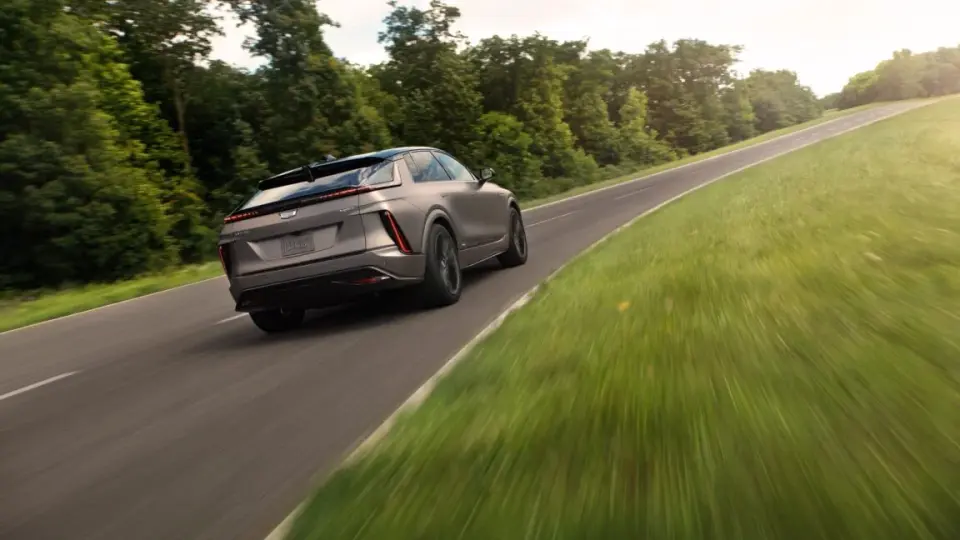
The National Highway Traffic Safety Administration (NHTSA) has expanded its safety investigation into General Motors' eBoost brake-by-wire system, which affects over 1.1 million vehicles. Regulators are reviewing reports of immediate brake assist loss, contradicting GM's claim that safety features remain active until the vehicle stops. While 22 crashes and six injuries have been reported, no fatalities have occurred, and no recall has been issued yet.
Key points
- NHTSA's Office of Defects Investigation (ODI) is expanding its review of GM's eBoost system to include 10 additional GM models and two Honda/Acura models.
- The investigation covers over 1.1 million vehicles, including the Cadillac Lyriq, Chevrolet Colorado, GMC Canyon, and various electric vehicles like the Blazer EV and Equinox EV.
- GM states that a spindle fracture in the eBoost system should allow anti-lock brakes and stability control to function until the vehicle comes to a complete stop.
- NHTSA reports that many complaints describe an immediate loss of brake assist during braking, which contradicts GM's technical explanation and poses a higher safety risk.
- ODI has received 227 incident reports, a number that rises to 745 when including reports sent directly to GM; 22 of these resulted in crashes.
- Six people have been injured in five crashes, but there have been no fatal incidents associated with the eBoost failures.
Background
This investigation began in April 2024, initially focusing on 2023 model year Cadillac Lyriq electric SUVs. The current expansion reflects a growing regulatory focus on the safety of shared electronic components in modern vehicles. While GM has faced fewer recalls than some rivals, it recently faced a separate probe into nearly one million trucks and SUVs for potential engine failures in L87 6.2-liter V-8 engines. The broader industry context includes a surge in recalls due to the increasing complexity of vehicle platforms, where a single defect can affect a large population of cars across different brands.
How outlets are covering it
Ars Technica and The Detroit News both report on the expansion of the NHTSA investigation but emphasize different aspects. Ars Technica focuses on the technical discrepancy between GM's stated safety features and the reported immediate loss of braking, highlighting the 227 incident reports and 22 crashes. The Detroit News provides a broader industry context, noting that the US auto industry is on track for the highest number of recalls in five years due to complex shared platforms. It also mentions a separate, concurrent NHTSA probe into GM's L87 engines, suggesting a pattern of scrutiny for GM. Both sources agree that no recall has been issued yet, but The Detroit News explicitly notes that not all investigations lead to recalls, whereas Ars Technica focuses more on the specific mechanics of the eBoost failure.
Why it matters
The eBoost system is a critical safety component in many of GM's current and future models, including its electric vehicle lineup. If NHTSA determines that the system poses an unreasonable risk, it could lead to a massive recall affecting over a million vehicles, impacting GM's reputation and financial performance. The investigation also highlights the risks associated with shared electronic platforms in the automotive industry, where a single defect can have widespread consequences. For consumers, the potential for immediate brake failure during driving is a significant safety concern that could lead to serious injuries or fatalities if not addressed.
What to watch
NHTSA will conduct a federal engineering analysis to determine if the eBoost failures are unsafe enough to require a recall. GM has stated it will continue to cooperate with the investigation. The outcome of this probe could set a precedent for how regulators handle shared electronic components in modern vehicles. If a recall is issued, it could affect over 1.1 million vehicles, including many of GM's most popular models. The investigation may also lead to broader scrutiny of other shared components in GM's lineup, such as the L87 engine, which is already under a separate probe.
- Feds deepen probe into General Motors brake failures Ars Technica
- NHTSA Expands Investigation Into GM Braking System WSJ
- Brakes on these popular GM trucks and EVs are under a safety review The Detroit News
- GM Brake Investigation Explodes From One Cadillac to 1.2 Million Vehicles Autoblog
- Brake problems in GM EVs draw greater federal scrutiny TechCrunch
Want the full story? Read the original reporting
Read on Ars Technica