
Canadian EV Buyers Delay Purchases to Await Chinese Imports Amid Market Shifts
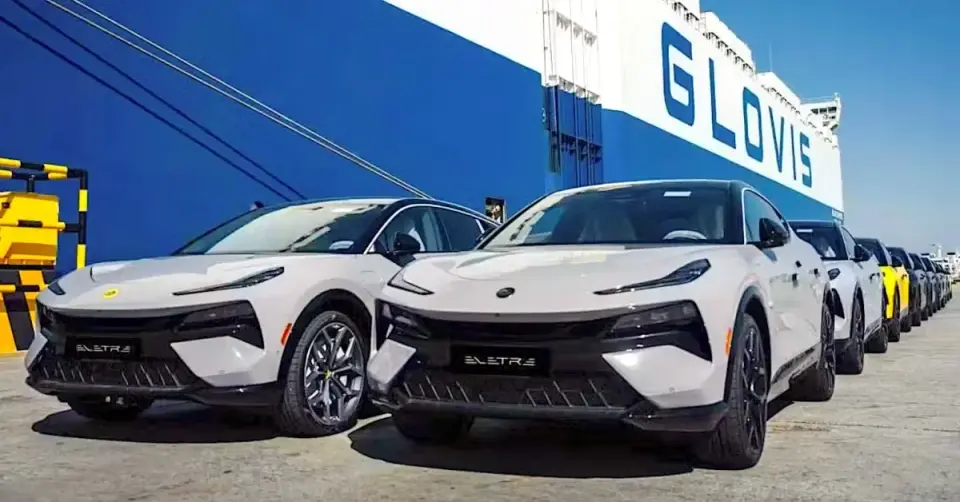
A survey by Clean Energy Canada reveals that 42% of potential Canadian EV buyers are delaying purchases to wait for Chinese electric vehicles, which are expected to offer better value and technology. Although Canada has a quota allowing 49,000 Chinese EVs annually, only about 16,000 have been imported so far, with distribution networks still being established. This hesitation coincides with a 55% year-over-year increase in zero-emission vehicle sales in August 2026, though market share remains below federal targets. The shift reflects growing consumer preference for Chinese brands over Western alternatives, driven by pricing and technological advantages, despite concerns about higher costs in Canada compared to China.
Key points
- 42% of Canadian EV buyers are waiting for Chinese EVs to become available before making a purchase.
- Canada’s quota allows 49,000 Chinese EVs per year, but only about 16,000 have been imported so far.
- Zero-emission vehicle sales in Canada increased by 55% in August 2026, reaching 13% market share.
- Chinese EVs are perceived as offering better value and technology compared to Western brands.
- Distribution networks for Chinese brands in Canada are still being established, limiting current availability.
Background
In September 2026, Canada adjusted its trade policies to allow a limited number of Chinese EVs into the market, reversing a 100% tariff previously aligned with U.S. policy. This move was partly influenced by China’s imposition of tariffs on Canadian canola, prompting conservative provinces to lobby for reduced EV tariffs. The shift reflects broader geopolitical and economic realignments, with Canada seeking alternative trade partners amid strained U.S.-Canada relations.
How outlets are covering it
Electrek emphasizes the strategic implications of Canadian buyers favoring Chinese EVs, suggesting a potential long-term impact on U.S. auto competitiveness. Global News highlights the growth in EV sales but notes that market share remains below federal targets, with experts questioning the pace of adoption. InsideEVs focuses on consumer willingness to wait for Chinese brands, citing their reputation for value and technology. Drive Tesla Canada provides data on the 55% increase in zero-emission vehicle sales, attributing it to new federal incentives like the Electric Vehicle Affordability Program (EVAP).
Why it matters
The trend of Canadian buyers delaying purchases to await Chinese EVs signals a shift in consumer preferences and could influence future trade policies and market dynamics. It highlights the competitive advantage of Chinese manufacturers in pricing and technology, potentially challenging Western automakers. Additionally, the limited availability of Chinese EVs in Canada due to ongoing distribution setup may prolong this waiting period, affecting overall EV adoption rates and market share.
What to watch
As Chinese brands expand their distribution networks in Canada, more models are expected to become available in 2027. The success of these imports will depend on pricing competitiveness and consumer acceptance. Federal incentives, such as the EVAP program, may continue to support EV adoption, but the pace of market growth will be influenced by the availability and affordability of Chinese EVs.
- Trouble: buyers would rather wait for Chinese EVs than buy Western ones Electrek
- Canada’s EV sales are growing, but not fast enough: expert - National Global News
- EVs surge, trucks stall in Q3 as Canadians rethink what they drive Automotive News
- Canadians Are Holding Out For Chinese EVs InsideEVs
- Zero-emission vehicle sales in Canada jump 55% in August as market share hits 13% Drive Tesla Canada
Want the full story? Read the original reporting
Read on Electrek