
NHTSA Expands GM L87 Engine Probe to Nearly 1 Million Vehicles
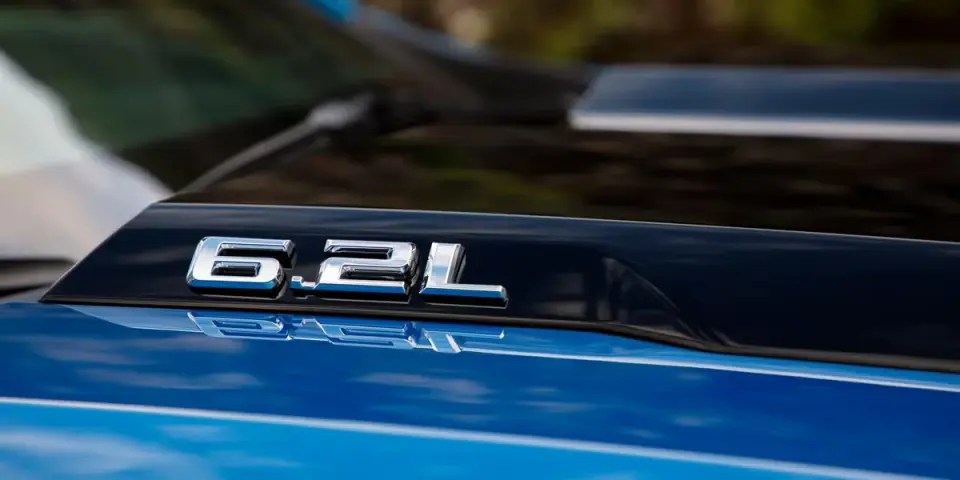
The National Highway Traffic Safety Administration (NHTSA) has broadened its investigation into General Motors' 6.2-liter L87 V-8 engine, now covering nearly 1 million vehicles. This expansion follows continued reports of engine failures even after previous recalls and repairs. The probe now includes 2025 and 2026 model years, affecting popular SUVs and trucks like the Chevrolet Silverado, Tahoe, Suburban, and Cadillac Escalade. GM attributes the issue to supplier manufacturing defects in the connecting rod and crankshaft. Despite offering oil changes or full engine replacements, hundreds of consumers have reported post-repair failures, prompting the federal agency to widen its scope beyond the initial 597,630 vehicles recalled in 2025.
Key points
- NHTSA's Office of Defects Investigation opened a new engineering analysis on August 21, 2026, expanding the scope of its probe into GM's L87 6.2-liter V-8 engines.
- The investigation now covers 997,743 vehicles in the United States, up from the initial 597,630 recalled in April 2025, by adding 2025 and 2026 model years.
- Affected models include the Chevrolet Silverado 1500, Tahoe, Suburban, GMC Sierra 1500, Yukon, and Yukon XL, as well as the Cadillac Escalade and Escalade ESV.
- GM attributed the engine failures to supplier manufacturing and quality issues affecting the connecting rod and crankshaft, which can lead to a loss of motive power.
- The previous recall offered two remedies: a change to higher viscosity oil or a complete engine replacement, depending on a dealer inspection result.
- NHTSA received 499 complaints of post-remedy engine failures, with 473 involving the oil change and 26 involving the engine replacement, plus 191 additional complaints for engines not covered by the original recall.
Background
This development follows a series of safety concerns regarding GM's L87 engine that began in early 2025. NHTSA initially investigated 877,710 vehicles before GM issued a voluntary recall in April 2025. In October 2025, NHTSA opened an engineering analysis to assess the effectiveness of that recall, and in January 2026, it opened another recall investigation. The current expansion reflects ongoing consumer dissatisfaction and safety risks despite previous remedial efforts. GM has been transitioning to next-generation small block engines in 5.7-liter and 6.7-liter capacities, which may lead to the phasing out of the L87 engine.
How outlets are covering it
Road & Track and the Detroit Free Press both report on the expansion of the NHTSA investigation to 997,743 vehicles, citing the same complaint numbers and affected models. Car and Driver highlights the persistent nature of the engine failures, noting that the engines 'won't stop imploding' despite previous fixes. All sources agree on the core facts: the expansion includes 2025 and 2026 model years, and the issue stems from supplier manufacturing defects. GM's response, as quoted by the Detroit Free Press, emphasizes customer safety and cooperation with NHTSA, while Road & Track notes that GM has not changed its recall scope. The outlets differ slightly in emphasis: Road & Track focuses on the potential phasing out of the L87 engine due to new engine offerings, while the Detroit Free Press provides more detail on the specific remedies and coverage programs. Car and Driver uses more dramatic language to describe the ongoing failures.
Why it matters
The expansion of the NHTSA investigation signals that the previous recall and remedies did not fully resolve the safety issues with the L87 engine. This could lead to further regulatory scrutiny, potential additional recalls, and increased costs for GM. For consumers, it raises concerns about the reliability of their vehicles, particularly popular models like the Silverado and Escalade, which are significant profit drivers for GM. The ongoing complaints suggest that the supplier manufacturing defects may be more widespread than initially thought, potentially affecting newer model years. This could impact GM's reputation and customer trust, as well as the value of affected vehicles on the used car market.
What to watch
NHTSA will continue its engineering analysis to determine the root cause of the post-remedy engine failures and whether additional recalls or remedies are necessary. GM may need to expand its recall to include 2025 and 2026 model years if NHTSA finds evidence of widespread defects. Consumers with affected vehicles should monitor NHTSA and GM announcements for updates on the investigation and any new remedies. GM may accelerate the transition to its next-generation small block engines to phase out the L87 engine. The special coverage program for the L87 engine will remain in effect for 10 years or 150,000 miles, providing some protection for owners, but the ongoing complaints suggest that this may not be sufficient to address all safety concerns.
- NHTSA Expands Probe Into 997,000 GM V-8 Trucks and SUVs After Reported Post-Recall Engine Failures Road & Track
- NHTSA Opens Investigation Into GM V-8s That Won’t Stop Imploding, Despite Receiving Recall Remedy Car and Driver
- GM Faces Safety Probe Over Engine-Failure Concerns in Nearly One Million Vehicles WSJ
- NHTSA expands GM engine recall probe to include more model years Detroit Free Press
- US highway agency expands probe into GM pickups, SUVs over engine failures Reuters
Want the full story? Read the original reporting
Read on Road & Track