
Six Automakers Revive Body-On-Frame SUVs Amid Shift in Market Strategy
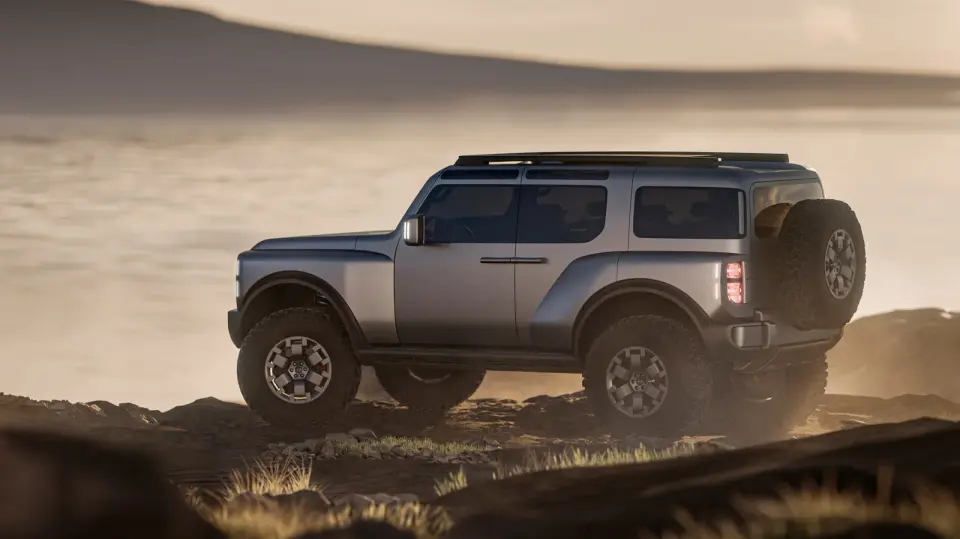
Six major automakers are planning to reintroduce or expand body-on-frame SUV lineups, a segment previously dominated by unibody crossovers. Toyota, Hyundai, GMC, Nissan, Infiniti, and Mitsubishi are developing new models or reviving legacy names to compete in the rugged, truck-based SUV market. These moves reflect a strategic shift toward off-road capability and towing capacity, driven by persistent consumer demand for traditional SUVs despite the popularity of unibody models like the RAV4 and CR-V. The initiatives include new platforms, retro-styled designs, and expanded American manufacturing, with some models targeting release as early as late 2028.
Key points
- Toyota is launching the Land Cruiser FJ overseas, a smaller, retro-styled body-on-frame SUV with a 2.7-liter naturally aspirated engine, though it is not currently planned for the US market.
- Hyundai is developing its first body-on-frame platform in America, previewed by the Boulder concept at the 2026 New York Auto Show, with a mid-sized pickup expected by 2030 and an SUV following.
- GMC is reportedly reviving the Jimmy nameplate for a new mid-sized body-on-frame SUV, a project previously paused for EV development but now reconsidered due to regulatory changes.
- Nissan and Infiniti plan five American-built body-on-frame models, including a new Xterra launching in late 2028 and a return to body-on-frame construction for the Pathfinder, alongside a next-gen Frontier pickup.
- Mitsubishi is set to debut a new Pajero SUV in fall 2026, sharing a body-on-frame platform with its Triton pickup, potentially reviving the Montero name in North America.
Background
Recent trends show a resurgence in interest for traditional vehicle types, such as minivans, which saw a 21% sales increase in 2025. This shift suggests a broader consumer preference for practical, robust vehicles over purely modern crossovers, aligning with the current push by major brands to reintroduce body-on-frame SUVs that offer superior off-road and towing capabilities compared to unibody models.
Why it matters
The return of body-on-frame SUVs signals a significant strategic pivot in the automotive industry, moving away from the dominance of unibody crossovers. This trend indicates that consumers still value the ruggedness, towing capacity, and off-road capability associated with traditional truck-based SUVs. For automakers, this represents an opportunity to capture a loyal segment of buyers who prioritize durability and utility over fuel efficiency and on-road comfort, potentially reshaping market dynamics in the SUV sector.
What to watch
Consumers can expect the release of several new body-on-frame SUVs in the coming years, with Nissan's Xterra launching in late 2028 and Mitsubishi's Pajero debuting in fall 2026. Hyundai's first body-on-frame platform is expected to debut with a mid-sized pickup by 2030, followed by an SUV. Toyota's Land Cruiser FJ may remain overseas, but its existence suggests potential future US introductions. GMC's Jimmy project is also likely to move forward, potentially expanding to the Chevrolet brand.
Want the full story? Read the original reporting
Read on SlashGear