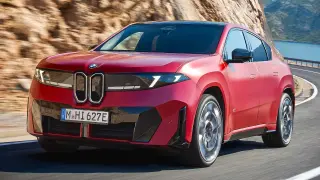
BMW has officially revealed the 2027 iX4, an electric coupe-SUV built on the Neue Klasse platform. It offers up to 428 miles of range and a 603-hp M60 variant, launching in March 2027 at $66,220 in the US.
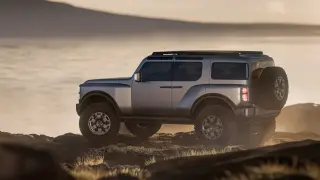
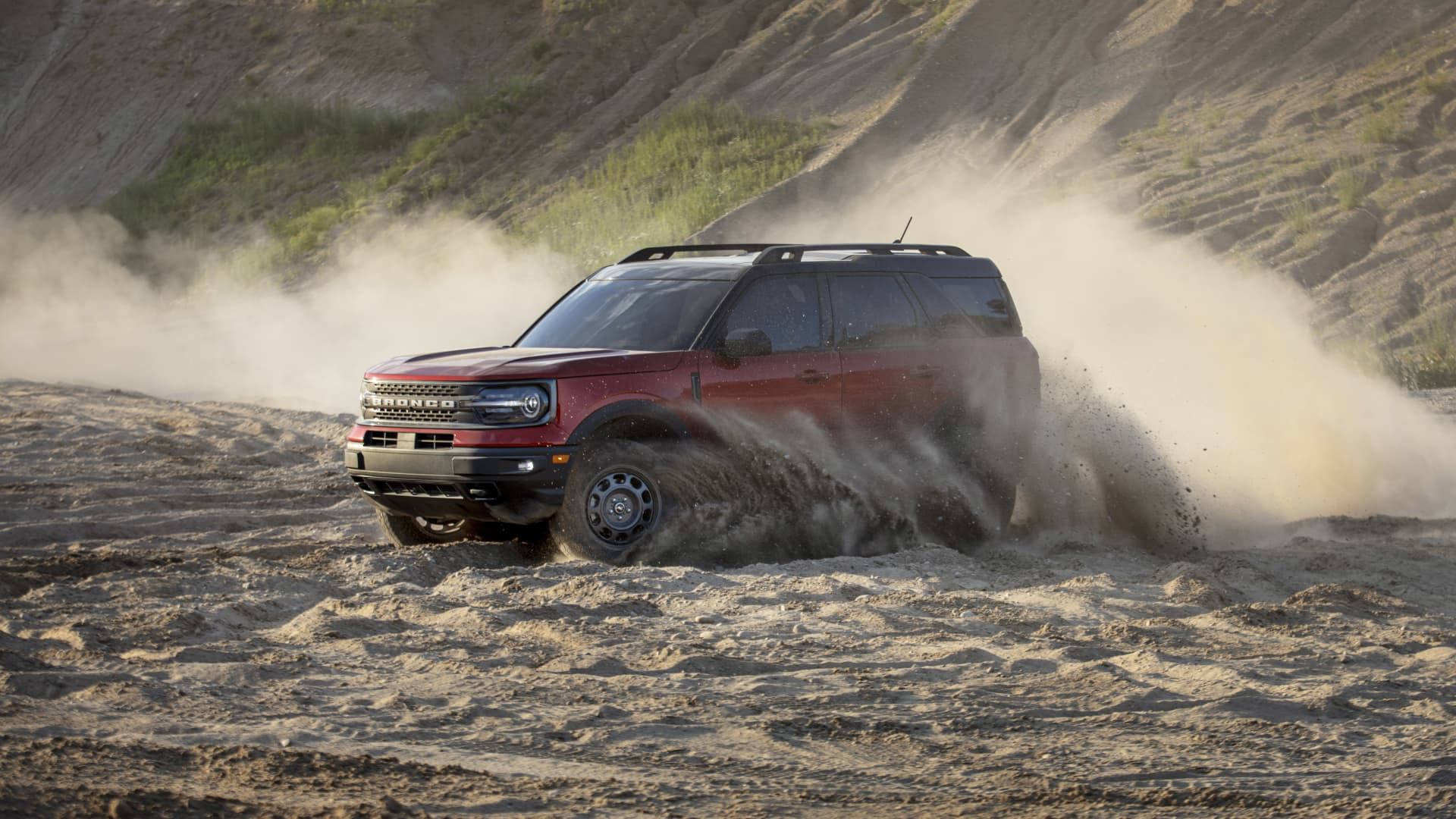
Automakers are reviving or planning body-on-frame SUVs to cater to off-road enthusiasts, signaling a shift back from unibody crossovers. Toyota is expanding with a retro-styled Land Cruiser FJ; Hyundai previewed a Boulder-based body-on-frame platform for a future pickup; GM is weighing a rugged GMC Jimmy (with a possible Chevy sibling); Nissan/Infiniti plan multiple body-on-frame models, including a new Xterra and a Pathfinder update; Mitsubishi is reviving Pajero/Montero on a body-on-frame basis. Timelines vary, with some models overseas or not confirmed for the U.S., and launches expected from the late 2020s into the 2030s.
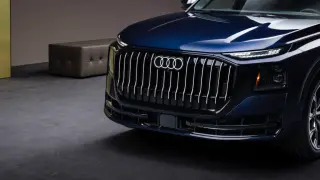
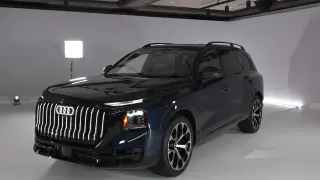
Audi unveils the 2027 Q9 as its new flagship SUV designed for the US market, starting at $87,700; built on VW Group's Premium Platform Combustion, it offers a Q9 and SQ9 (twin-turbo V8) with rear-biased AWD, active-matrix LED headlights, and a three-row interior configurable for six or seven seats. With a 209-inch length and 123.5-inch wheelbase, cargo starts at 19.3 cu ft behind the third row (up to 87.7 cu ft with all seats folded) and towing up to 7,700 lb, making it a US-market flagship intended to rival large rivals like the Cadillac Escalade.
Audi unveiled the full-size Q9 and its SQ9 variant as its U.S.-centric flagship lineup, with prices from $89,095 for the Q9 and $119,395 for the SQ9. The three-row SUVs pair American-tuned powertrains—a 2.9L V6 (429 hp) and a 4.0L V8 (591 hp)—with tech like matrix adaptive headlights and a ChatGPT-powered voice assistant, underscoring Audi’s bid to win back U.S. luxury SUV buyers on performance, space, and technology. The launch comes as Audi seeks to offset tariff-related headwinds and a lack of U.S. manufacturing, a factor analysts say could limit margin despite the potential market uplift amid competition from BMW and Mercedes.
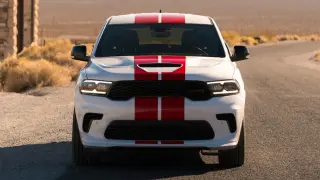
Seven SUVs fuse family-hauler practicality with muscle-car power: Cadillac Escalade-V with a 682-hp LT4, Dodge Durango SRT Hellcat with 710 hp, Jeep Grand Cherokee Trackhawk at 707 hp, Wrangler Rubicon 392 with 470 hp, Chevrolet Trailblazer SS with an LS2 6.0L (~395 hp), Saab 9-7X Aero with LS2 (~390 hp), and Chrysler Aspen offering 5.7L Hemi variants up to 376 hp. These models repurpose iconic V8s from classic American muscle cars for SUV duty, delivering extreme performance in family-oriented packages, though several are rare or out of production.
GM posted about 715,000 US vehicle sales in Q2, down 4.2% from a year earlier, blaming discontinued models and a steep EV slump after the federal tax credit expiry; EVs fell sharply (Equinox EV, Blazer EV, Hummer EV, Lyriq), while gas‑powered trucks and SUVs carried the quarter (Sierra up 5% to ~95k, Silverado roughly flat, Traverse/Trailblazer/Canyon rising). GM maintains EV share around 13.5–14% and leadership in full‑size pickups/SUVs, aided by tight inventories and disciplined pricing, ending the period with about 511,000 vehicles in dealer stock (~55 days) and average transaction prices above $52,400.
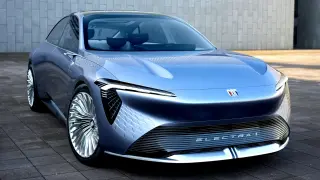
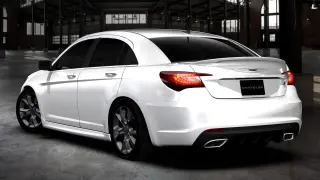
Automakers are signaling a potential sedan revival as SUV fatigue grows. Sedans remain cheaper and more fuel-efficient than SUVs across compact and midsize segments, while a Teens Forward study shows 51% of teens expect to drive sedans in the future. Executives from Ford, GM, Honda and Infiniti hint at renewed sedan activity, arguing that the traditional car’s lower cost and driving engagement could reintroduce a viable, appealing option in a market currently dominated by crossovers.
Rising SUV prices and upcoming changes to fuel-economy rules that could reclassify many crossovers as passenger cars are prompting Ford, Nissan, Stellantis and Infiniti to rethink sedans, signaling a potential comeback for traditional cars even as Toyota Camry topped its SUV lineup in Q1 2026.
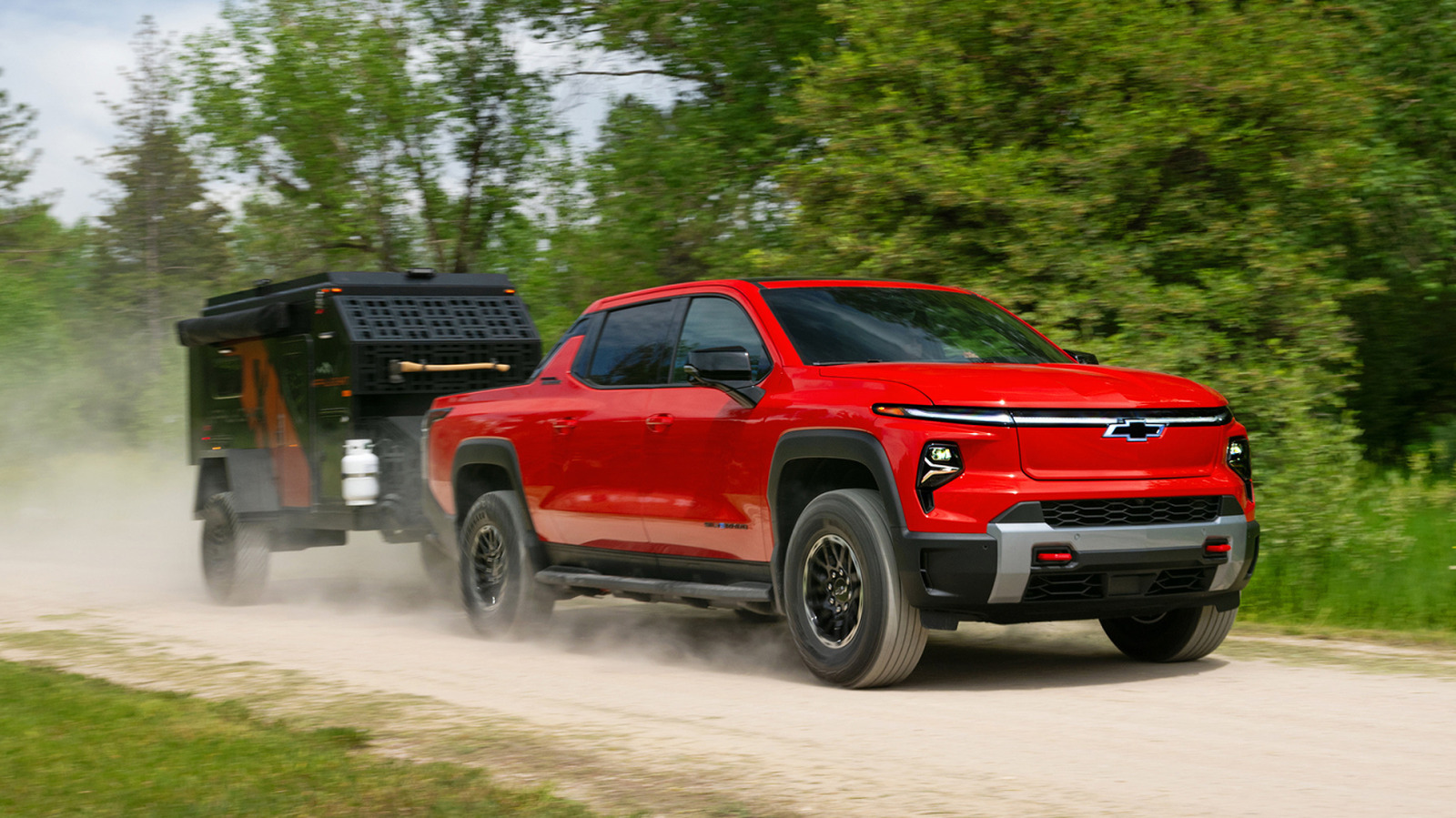
The article highlights the top five Chevrolet models suitable for off-roading in 2026, including the Colorado ZR2, Silverado EV Trail Boss, Tahoe Z71, Silverado LT Trail Boss, and Traverse Z71, emphasizing their off-road features, capabilities, and pricing.
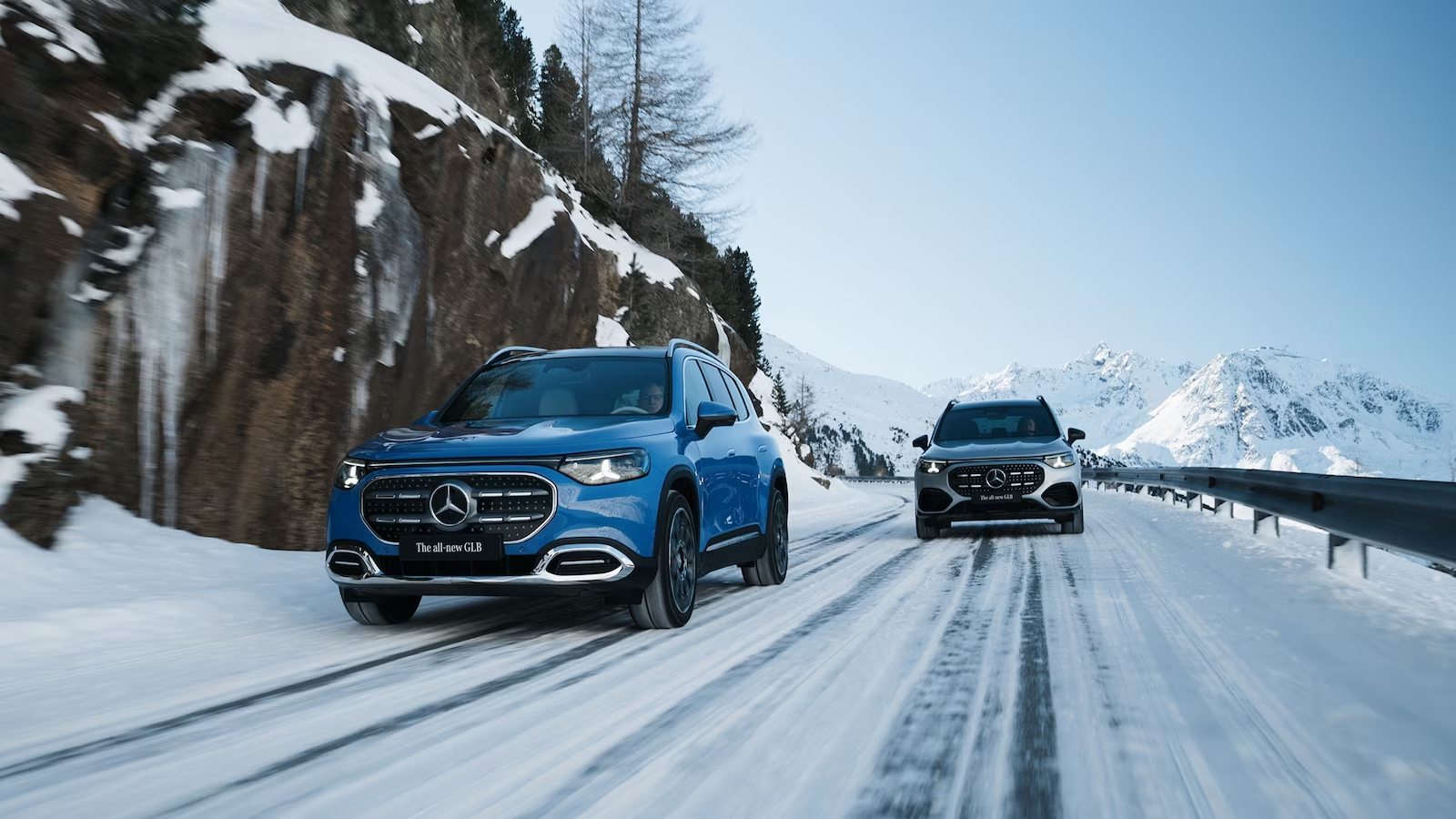
The article highlights upcoming popular cars in 2026, including Mercedes-Benz's updated CLA and GLB with advanced tech and electric options, Kia K4 Hatchback and hybrid Telluride for value and style, Subaru Outback with new tech and styling, Chevy Bolt's return as an affordable EV, and BMW's iX3 with impressive range and fast charging, all set to make a significant impact in the automotive market.
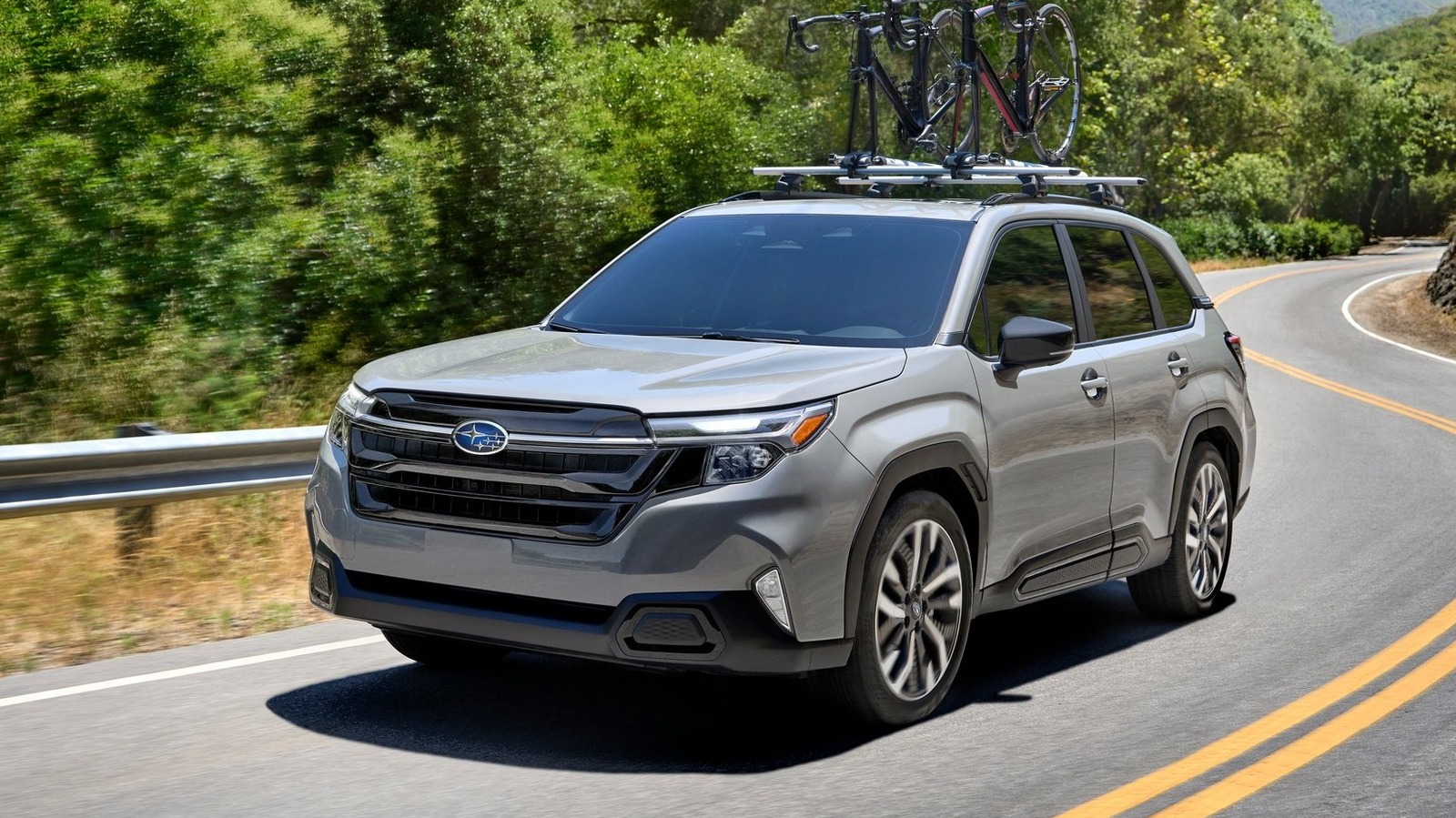
Consumer Reports' top-rated SUVs for 2025 include the Subaru Forester, Hyundai Tucson Plug-In Hybrid, Subaru Outback, Toyota Crown Signia, and Toyota RAV4 Plug-In Hybrid, with highlights on their fuel efficiency, reliability, and practical features, catering to different preferences for hybrid and traditional models.
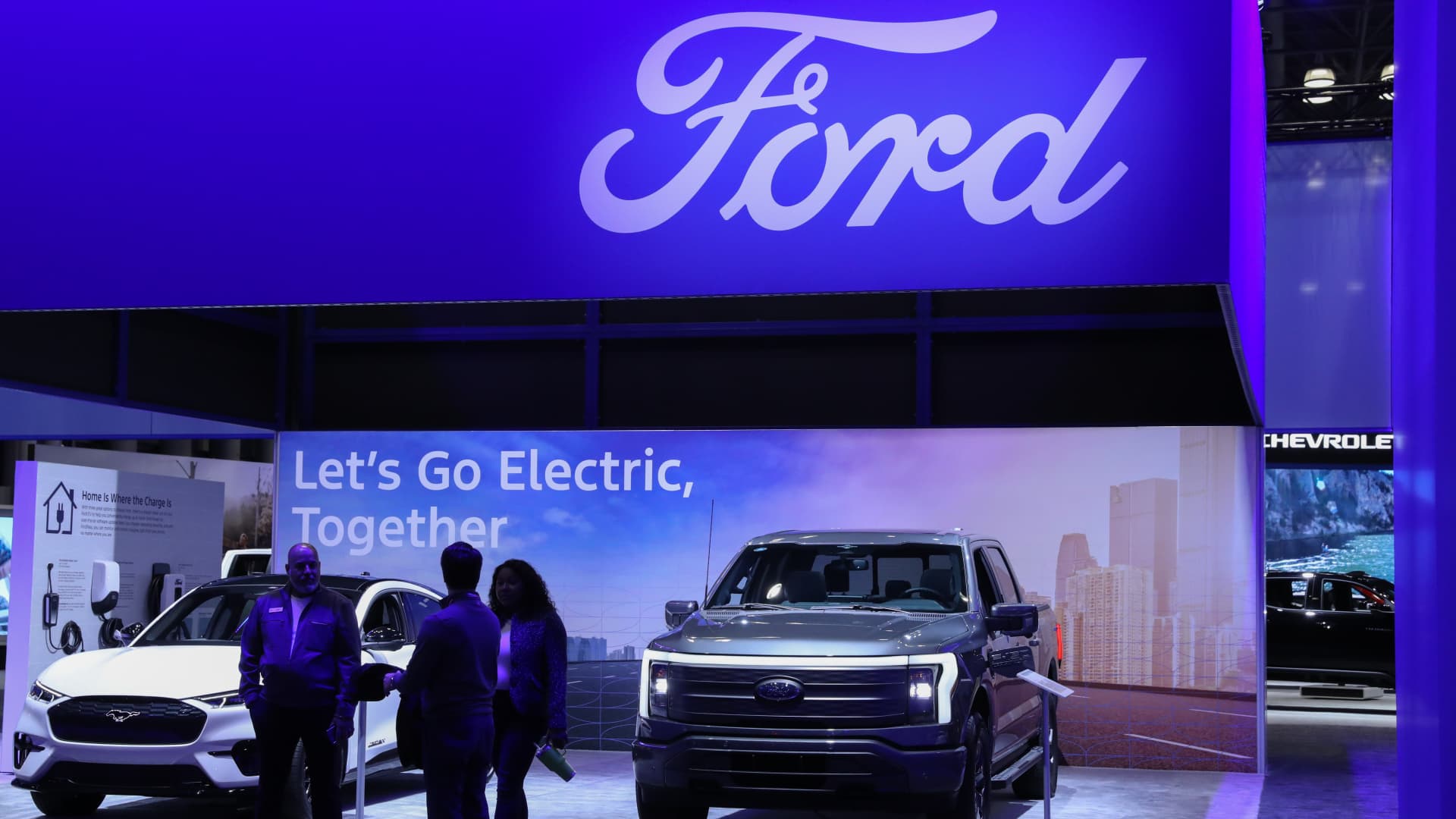
Ford's third-quarter US sales increased by 8.2%, driven by a 30.2% rise in all-electric vehicle sales and nearly 10% growth in SUVs, including a 51% increase for the Mustang Mach-E, fueled by federal EV incentives and record-breaking industry sales.
Ford is recalling over 694,000 SUVs in the U.S. due to a fuel injector crack that could cause leaks and fires, expanding previous recalls with a software fix and ongoing mechanical remedy development, following a year-long investigation and reports of fires despite repairs.
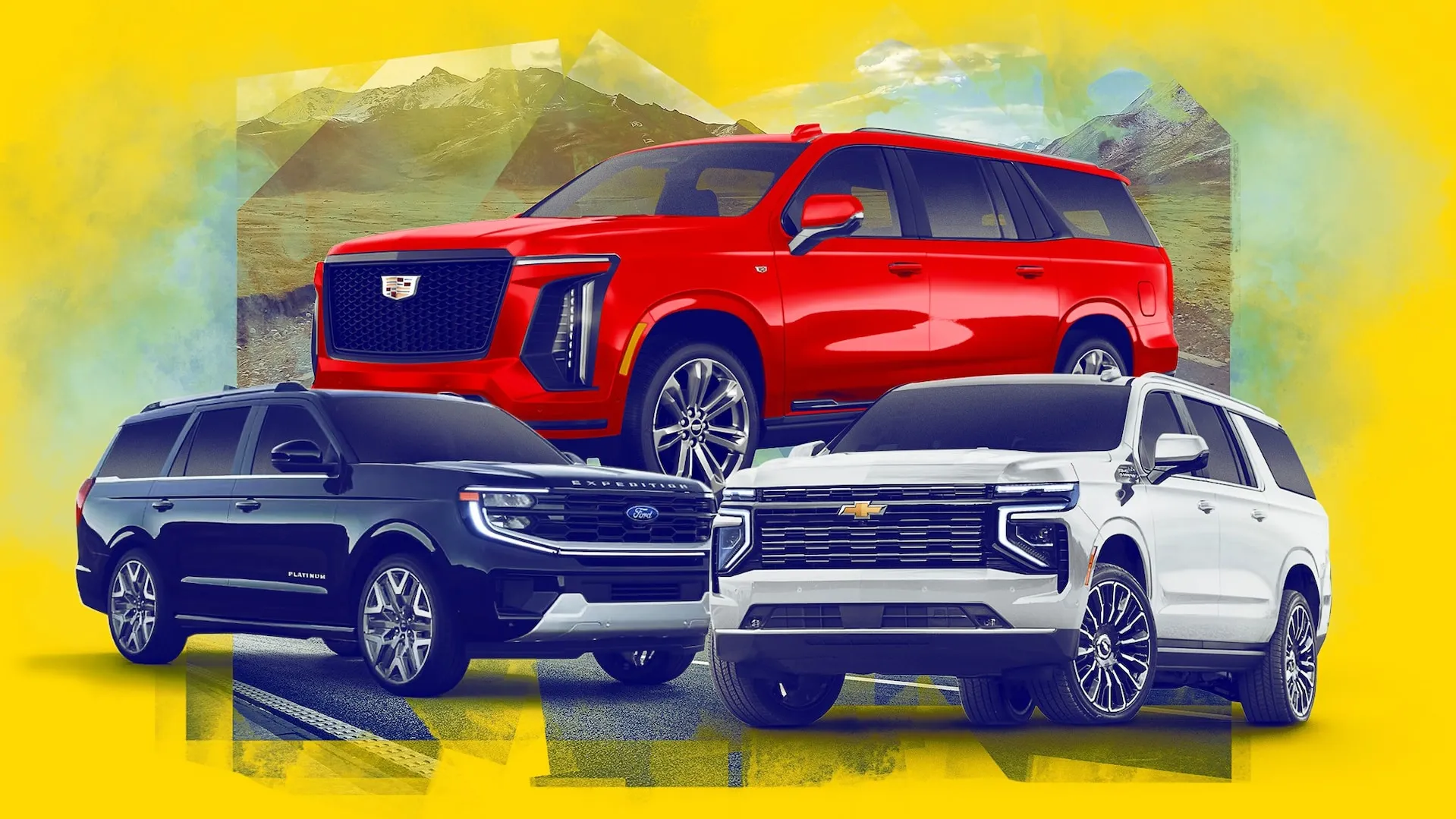
The article ranks the largest SUVs for 2025 and 2026 based on length, highlighting models like the Cadillac Escalade IQ and Chevrolet Suburban as the most spacious, with the Suburban offering the most interior volume and the Escalade IQL providing the most cargo space. It also discusses features, updates, and the suitability of these SUVs for big families and those needing maximum room.
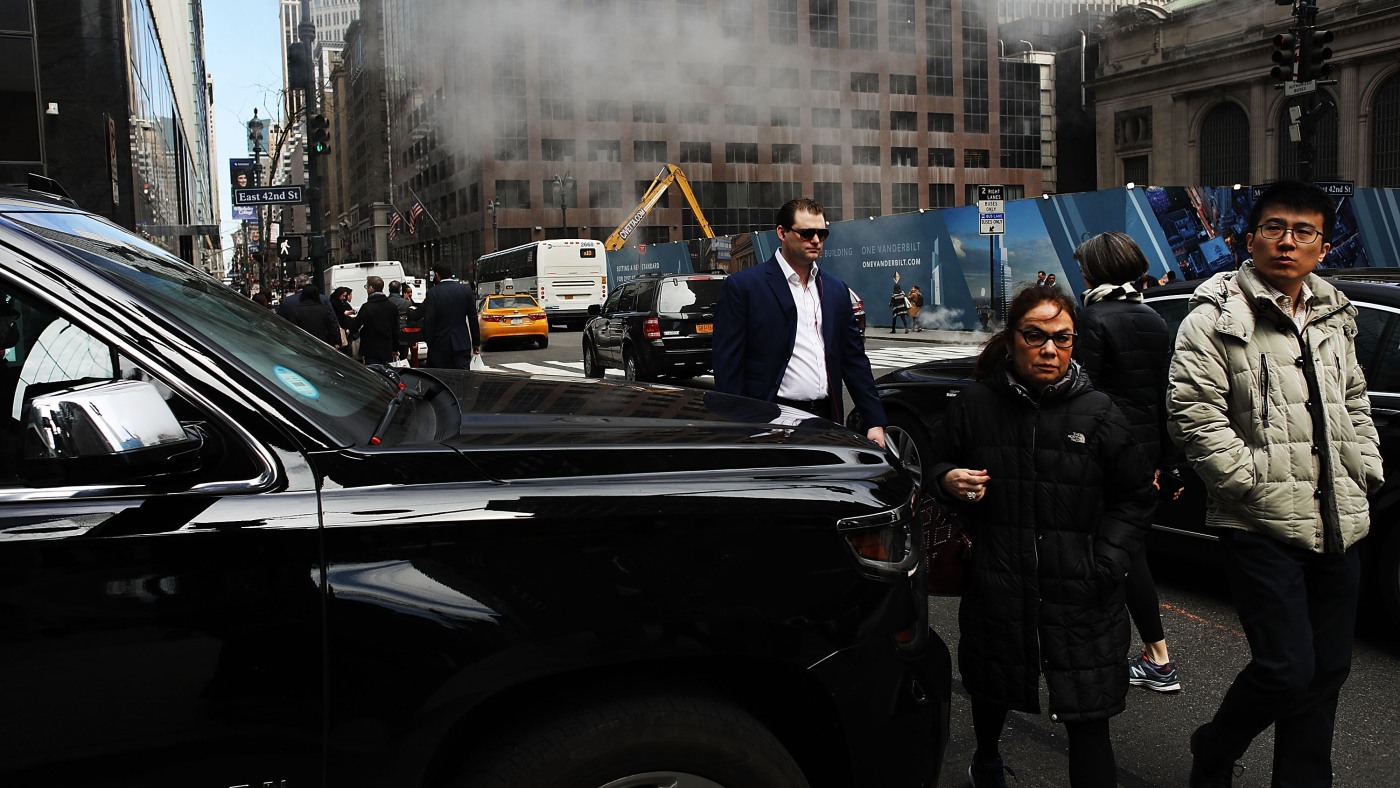
A study by the Insurance Institute for Highway Safety highlights that taller vehicles, such as SUVs and light trucks, pose a greater danger to pedestrians, especially at higher speeds. The research indicates that the risk of serious injury or fatality increases more rapidly for taller vehicles compared to shorter ones. This has prompted calls for federal safety standards addressing vehicle hood height and design to protect pedestrians. With pedestrian fatalities rising significantly since 2009, there is a push for regulations and technologies like automatic emergency braking to enhance road safety.