
VW Pushes ID Buzz U.S. Return to 2028 Amid Weak Sales and Tariff Hurdles
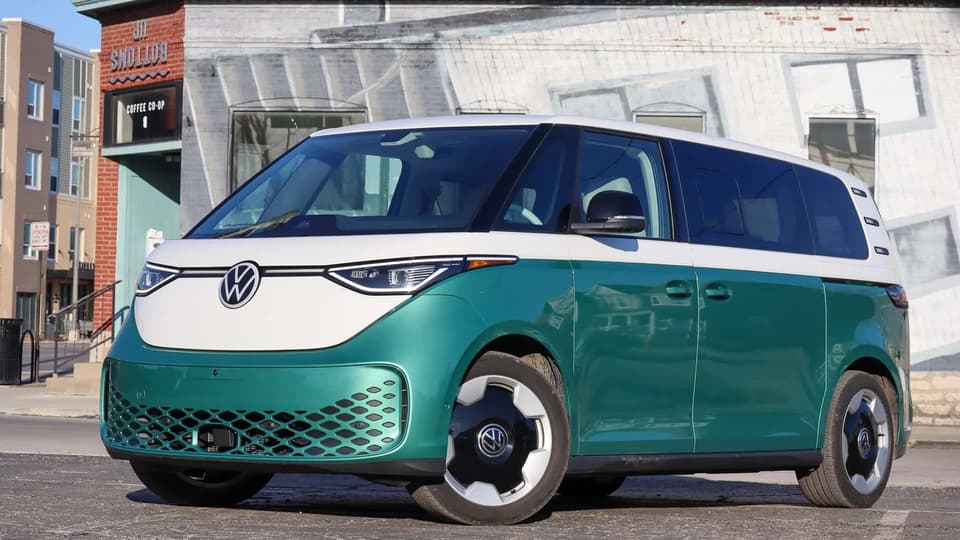
Volkswagen has delayed the return of the ID Buzz electric van to the U.S. market until the first half of 2027, making it a 2028 model year vehicle. This marks the second consecutive model year skip for the brand in the U.S. The delay follows weak sales, high import tariffs, and the loss of federal tax credits. The 2028 model will include updated software, vehicle-to-load functionality, and digital key integration.
Key points
- Volkswagen of America confirmed the ID Buzz will return as a 2028 model year vehicle in the first half of 2027, skipping the 2027 model year entirely.
- The delay is the second consecutive model year skip for the ID Buzz in the U.S., following a decision in December 2025 to skip the 2026 model year.
- The 2028 model will feature updated software, vehicle-to-load functionality, digital key integration, and previously announced updates like NACS charging and a Tourer trim.
- U.S. sales of the ID Buzz were weak, with 6,140 units sold in 2025 and 2,481 units in the first half of 2026, hampered by high tariffs, two recalls, and the loss of the $7,500 federal tax credit.
- Volkswagen is rethinking its U.S. EV strategy, including halting ID.4 production in Tennessee to focus on higher-volume gas SUVs, as the end of tax credits dampens EV demand.
Background
The ID Buzz was launched in the U.S. in November 2024 but faced immediate challenges, including high import tariffs, two stop-sale orders, and the elimination of the federal EV tax credit. In December 2025, Volkswagen decided to skip the 2026 model year due to lukewarm demand and a chaotic EV market, but emphasized it was not canceling the nameplate. In May 2026, Volkswagen announced plans for a 2027 model year return with updates, but the current delay pushes that timeline back to 2028.
How outlets are covering it
InsideEVs and Automotive News both confirm the delay to the 2028 model year and highlight the weak sales figures and market hurdles. Automotive News provides specific sales data, noting 6,140 units sold in 2025 and 2,481 in the first half of 2026, and emphasizes the impact of tariffs and recalls. InsideEVs focuses on the broader context of Volkswagen's U.S. EV strategy, including the halt of ID.4 production in Tennessee. Jalopnik offers a more critical perspective, questioning the value of the updates and the van's appeal, while also noting the weak sales and market challenges. All sources agree on the delay and the reasons behind it, but differ in their emphasis on the broader implications for Volkswagen's EV strategy and the van's market appeal.
Why it matters
The delay of the ID Buzz reflects the broader challenges Volkswagen faces in the U.S. EV market, including weak demand, high tariffs, and the loss of federal tax credits. It also signals a shift in Volkswagen's strategy, as the company rethinks its EV lineup and production priorities in the U.S. The delay may impact consumer expectations and the competitive landscape for electric vans in the U.S. market.
What to watch
Volkswagen plans to share more details about the 2028 ID Buzz in the coming months. The company will likely focus on marketing the updated features, such as vehicle-to-load functionality and digital key integration, to attract customers. The delay may also lead to further adjustments in Volkswagen's U.S. EV strategy, including potential changes to other models and production plans.
- Volkswagen Delays The ID. Buzz's Return To The U.S. Again InsideEVs
- VW ID Buzz U.S. return delayed to 2028 model year Automotive News
- Volkswagen Delays the ID.Buzz’s Return, Now Set for the First Half of Next Year as a 2028 Model Car and Driver
- ID Bust: VW Delays The ID Buzz's U.S. Comeback To 2028 Model Year Jalopnik
- VW ID. Buzz Taking Another Year Off After Stumbling Start: TDS The Drive
Want the full story? Read the original reporting
Read on InsideEVs