
VW Mission Efficiency Concept Sets Aerodynamic and Range Records
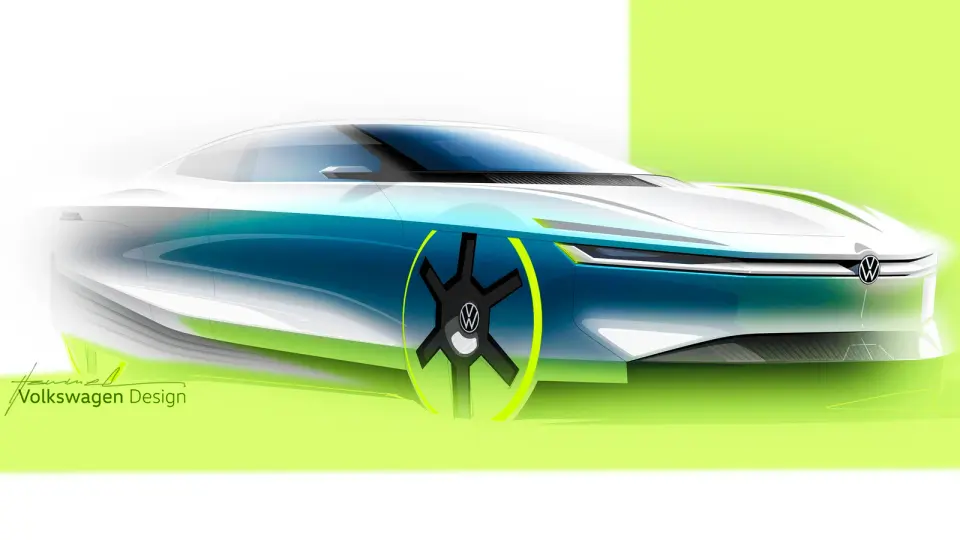
Volkswagen has unveiled the Mission Efficiency, a near-production electric concept car designed to maximize energy efficiency. The vehicle achieved a drag coefficient of 0.158, the lowest for a road-legal car, and completed a 1,278-kilometer journey from Wolfsburg to Vienna on a single charge. It utilizes the MEB+ platform and ID. Polo drivetrain, featuring a 54.9-kWh battery and 135-hp motor. The concept includes a 370-watt solar array and a 'bring your own device' infotainment system. While it sets records for efficiency, it remains a prototype and is not available for sale.
Key points
- The Mission Efficiency concept achieved a drag coefficient of 0.158, making it the most aerodynamic road-legal car.
- It completed a 1,278-kilometer route from Wolfsburg to Vienna, consuming 6.89 kWh/100 km excluding charging losses.
- The vehicle uses the MEB+ platform, an APP290 electric motor, and a 54.9-kWh battery shared with the ID. Polo.
- It features a 370-watt photovoltaic system and a 'bring your own device' infotainment setup to reduce weight.
- The concept is a technology demonstrator and is not intended for commercial sale.
Background
The Mission Efficiency serves as a spiritual successor to the Volkswagen XL1, a diesel plug-in hybrid produced in limited numbers between 2013 and 2016. The XL1 was renowned for its extreme fuel efficiency, traveling 62 miles on a single liter of diesel. The new concept applies similar aerodynamic principles to an electric powertrain, building on previous efficiency projects like the ID.R record vehicle.
How outlets are covering it
Volkswagen’s official newsroom emphasizes the vehicle’s role as a technology demonstrator for the MEB+ platform, highlighting its use of production-related components like the ID. Polo’s motor and battery. Motor1.com focuses on the record-breaking performance, noting the car’s ability to travel nearly 900 miles on a charge and its practical 2+2 seating configuration. Carscoops highlights the visual similarity to the XL1 and the upcoming record-setting journey. The Supercar Blog initially noted the lack of detailed specifications in early teasers, contrasting with the comprehensive data released later. All sources agree on the vehicle’s extreme aerodynamic focus and its status as a non-production concept.
Why it matters
The Mission Efficiency demonstrates that significant efficiency gains in electric vehicles can be achieved through aerodynamics and lightweight construction rather than solely increasing battery size. By using production technology from the ID. Polo, Volkswagen suggests that future EVs could achieve similar efficiency improvements without exotic powertrains. This approach could influence the design of future electric vehicles, focusing on reducing energy consumption through engineering rather than just increasing battery capacity.
What to watch
Volkswagen has not announced plans for a production version of the Mission Efficiency. The concept is intended to showcase the efficiency potential of the MEB+ platform and its components. Future developments may involve integrating some of these aerodynamic and lightweight technologies into production vehicles, though no specific timeline or model has been confirmed.
- VW Has Created A New Version Of The Ultra-Efficient XL1 Carscoops
- Volkswagen’s Sleek New Concept Makes the ID.4 Look Like a Brick autoblog.com
- VW Mission Efficiency Concept Revealed: Ultra-Slippery EV Sets Three Records Motor1.com
- Volkswagen teases new electric concept car with extreme aerodynamics The Supercar Blog
- At a glance: Mission Efficiency (Concept vehicle. Not for sale.) Volkswagen Newsroom
Want the full story? Read the original reporting
Read on Carscoops