
Delta Flight 2311 Diverts to Las Vegas After Rapid 27,000-Foot Descent
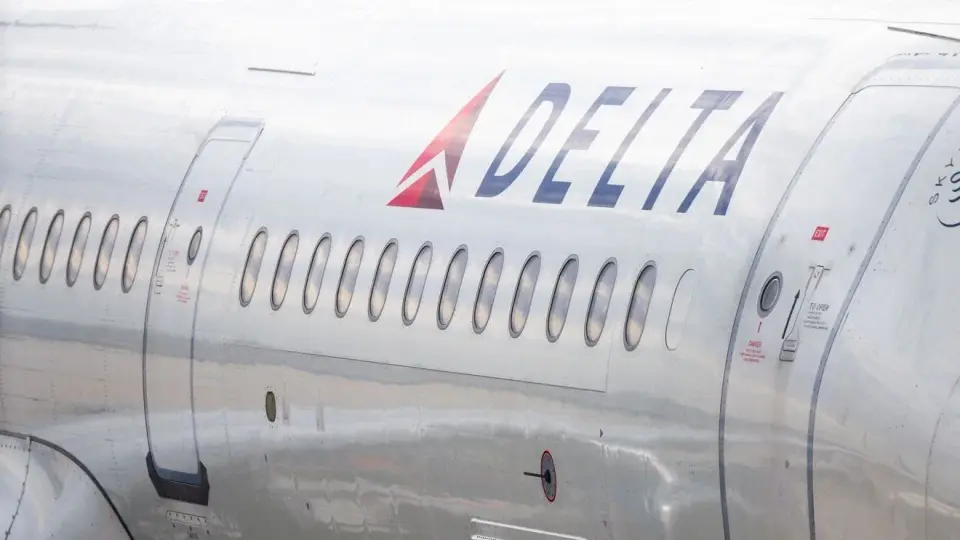
Delta Flight 2311, a Boeing 737-900 carrying 174 passengers and six crew, made an emergency landing in Las Vegas on September 6, 2026, after experiencing an unexpected pressurization issue. The aircraft descended from 36,200 feet to 9,000 feet in approximately 10 minutes, triggering the deployment of oxygen masks. The flight was en route from Los Angeles to Salt Lake City when it diverted. Passengers deplaned normally in Las Vegas and were rebooked on a subsequent aircraft to continue their journey. Delta stated the crew followed safety procedures and apologized for the disruption.
Key points
- Delta Flight 2311 diverted to Las Vegas on September 6, 2026, after an unexpected pressurization issue occurred during a flight from Los Angeles to Salt Lake City.
- The Boeing 737-900 descended from 36,200 feet to 9,000 feet in about 10 minutes, a drop of 27,200 feet, according to air traffic control recordings.
- Oxygen masks deployed during the rapid descent, confirmed by the pilot in communications with air traffic control.
- The aircraft carried 174 passengers and six crew members; all deplaned normally in Las Vegas without reported injuries.
- Passengers were rebooked on another Delta aircraft to continue their journey to Salt Lake City, with Delta apologizing for the inconvenience.
Background
This incident follows previous coverage of Delta Flight 2311’s emergency landing, which detailed the rapid descent and safe diversion to Las Vegas. The event occurred on September 6, 2026, and was reported by multiple outlets, including WPDE, which cited air traffic control recordings and Delta statements. No prior archive articles indicate similar recent pressurization incidents involving Delta’s Boeing 737-900 fleet, though the airline has faced scrutiny over aircraft safety in the past. The incident highlights standard emergency procedures for cabin pressurization failures, where rapid descent to a lower altitude is a critical safety measure.
Why it matters
The incident underscores the importance of crew training and emergency procedures in aviation safety. A rapid descent of 27,000 feet due to a pressurization issue is a serious event that requires immediate action to ensure passenger safety. Delta’s response, including the safe landing and rebooking of passengers, demonstrates adherence to safety protocols. Such incidents can affect public confidence in airline safety and may prompt regulatory reviews or internal audits by the airline. The lack of reported injuries is a positive outcome, but the event serves as a reminder of the risks associated with in-flight mechanical issues and the critical role of emergency procedures in mitigating those risks.
What to watch
Delta has apologized for the disruption and thanked its crew for their professionalism. Passengers were rebooked on another aircraft to continue their journey to Salt Lake City. No further details about the cause of the pressurization issue or any regulatory investigation have been reported in the available sources. The airline may conduct an internal review of the incident, and the Federal Aviation Administration (FAA) may investigate the cause of the pressurization issue, though this is not explicitly stated in the sources. Passengers may seek compensation or refunds for the disruption, but no such claims have been reported.
Want the full story? Read the original reporting
Read on WPDE