
Nvidia CEO Dismisses $1T Tech Selloff as Macro Pressures Drive Semiconductor Slide
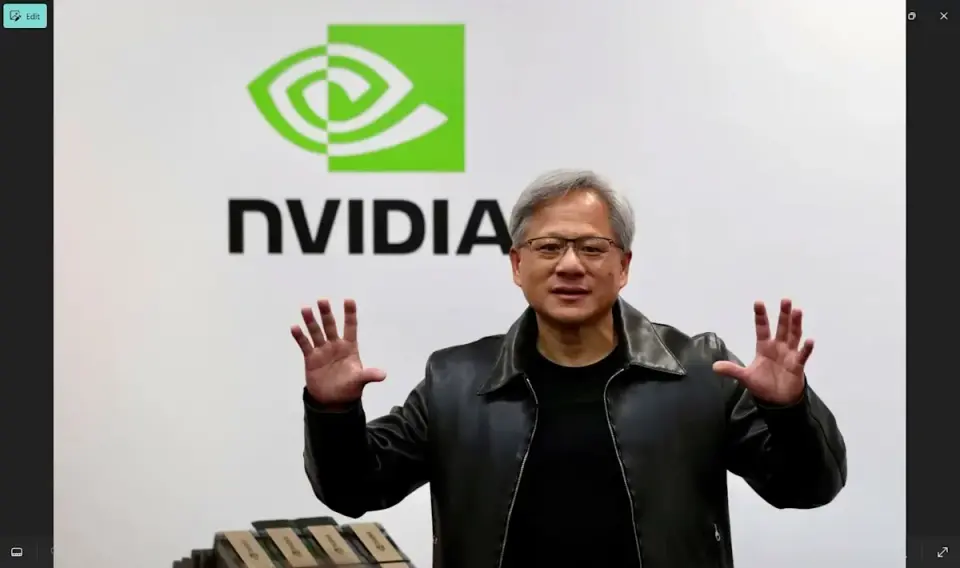
Jensen Huang told investors that the recent market turmoil is temporary, even as the tech sector lost over $1 trillion in a single day. Nvidia shares fell only 1.43%, outperforming peers like AMD and Intel, which dropped nearly 6%. The selloff was driven by rising oil prices and high Treasury yields, marking the eighth consecutive losing day for the Philadelphia semiconductor index.
Key points
- Nvidia shares declined 1.43% to $214.13, maintaining a market value of $5.17 trillion despite a broader tech sector loss exceeding $1 trillion.
- AMD and Intel shares each fell approximately 6%, while the Philadelphia semiconductor index dropped 3.8%, marking its eighth consecutive losing day, the longest streak since 2008.
- Jensen Huang stated during a Berlin event that 'all of this is going to pass,' attributing the volatility to temporary factors rather than structural issues in AI demand.
- Crude oil prices topped $101 per barrel and the 10-year Treasury yield reached 5.10%, creating macroeconomic headwinds that pressured riskier tech assets.
- The Nasdaq 100 fell 2.5% to 29,187.55, leaving it approximately 7% below its recent all-time high, while the VIX volatility index surged 21.45%.
Background
This volatility follows a period of narrow tech rallies where Nvidia approached a $6 trillion valuation in early October. Recent months have also seen Huang engage in public debates with President Trump regarding AI safety regulations and export controls, highlighting the political sensitivity surrounding AI infrastructure investments.
How outlets are covering it
Yahoo Finance emphasizes the divergence between Nvidia's relative stability and the broader semiconductor sector's decline, noting that Nvidia's high net margins made it a 'safe harbor' for investors. Moomoo frames the event as a test of long-term AI growth outlooks, suggesting that short-term volatility driven by macro factors like oil and interest rates does not alter the fundamental trajectory of AI adoption. Both outlets agree on the severity of the semiconductor index's decline but differ in emphasis: Yahoo focuses on the immediate market mechanics and Huang's reassurance, while Moomoo highlights the historical context of the decline since 2008.
Why it matters
The resilience of Nvidia against a broader tech selloff signals investor confidence in the company's profitability and market dominance, even amid macroeconomic stress. The prolonged decline in semiconductor stocks raises concerns about potential corrections in AI infrastructure spending, while rising oil and bond yields indicate broader economic tightening that could impact tech valuations in the near term.
What to watch
Investors will monitor whether the semiconductor sector stabilizes or continues its decline in the coming days. Attention will also turn to whether rising oil prices and Treasury yields trigger further risk-off sentiment in other sectors. Nvidia's ability to maintain its market value and outperform peers will be a key indicator of investor confidence in AI leadership.
- Nvidia’s CEO Says “All of This Is Going to Pass” After Tech Lost $1 Trillion in a Day Yahoo Finance
- Nvidia CEO on AI Market Turmoil: ‘All of This Is Going to Pass’ Bloomberg.com
- The Philadelphia Semiconductor Index suffers its longest consecutive decline since 2008; Jensen Huang responds calmly: Short-term volatility will not alter the long-term growth outlook for AI. Moomoo
- How NVIDIA is Navigating the Next Phase of the AI Boom Data Center Richness | Substack
- Jensen Huang on BG2: the capex math that beats the bubble case Dealroom
Want the full story? Read the original reporting
Read on Yahoo Finance