
Tesla's Nine-Year-Old Roadster Debuts with Thrusters, but Analysts Doubt It Will Save Sales
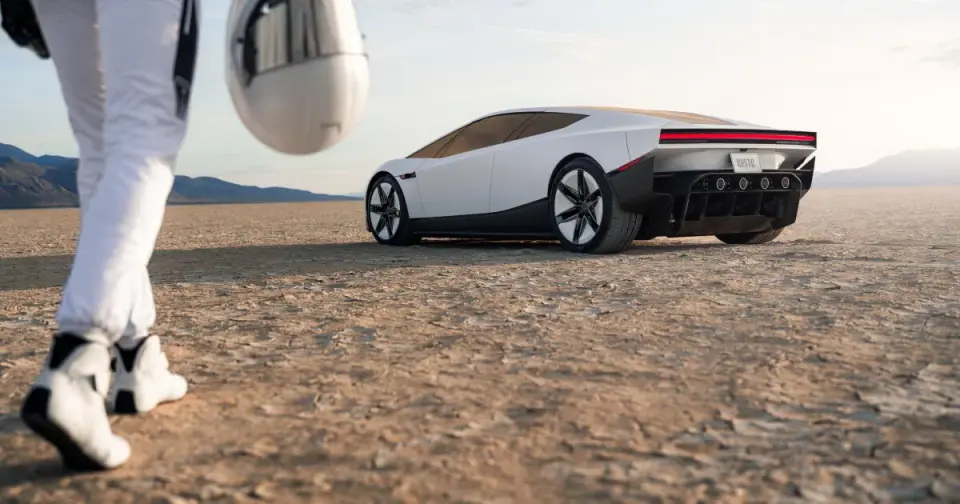
Tesla unveiled its second-generation Roadster at a Texas event, showcasing a vehicle capable of brief flight and sub-second acceleration. While the demo highlighted a collaboration with SpaceX, analysts note the car will not be available until 2028 and is unlikely to reverse Tesla's declining sales.
Key points
- The new Roadster was demonstrated at a facility in McGregor, Texas, performing flips and brief hover maneuvers using cold-gas thrusters.
- Musk stated production will begin in 2028, nearly nine years after the vehicle was first announced in 2017.
- A 'Rocket' package with flight capabilities is restricted to invited customers and is not approved for public roads.
- Tesla shares dipped 2% following the event, reflecting skepticism about the car's impact on the company's financials.
- The vehicle is expected to cost over $250,000, positioning it as a niche luxury item rather than a mass-market product.
Background
Tesla has faced criticism for missing previous deadlines, including the original Roadster launch and self-driving promises. The company has recently discontinued its Model S and Model X lines and launched the Cybercab robotaxi, signaling a strategic shift toward AI and robotics. Recent archive coverage indicates that the FAA has declared the flying Roadster outside its jurisdiction, as it does not meet the definition of an aircraft. Additionally, speculation has grown regarding a potential merger between Tesla and SpaceX, with prediction markets assigning over 50% odds to a combination by early 2027.
How outlets are covering it
The Los Angeles Times emphasizes the long delay since the 2017 announcement and questions whether the Roadster can reverse Tesla's falling sales, noting that the stock price fell after the demo. It highlights that the flying version is not road-legal and is limited to invited customers. In contrast, The Washington Post editorial board frames the vehicle as an 'impractical innovation' that, while lacking immediate consumer utility, represents a significant engineering feat. The Post argues that such vanity projects often lead to indispensable technologies, whereas the LA Times focuses on the commercial viability and the frustration of customers who paid $50,000 deposits years ago.
Why it matters
The Roadster launch tests Tesla's ability to maintain brand relevance amid declining EV sales and a pivot toward AI. The vehicle's extreme performance metrics and collaboration with SpaceX may attract attention, but analysts suggest it will not significantly boost revenue. The event also highlights the tension between Musk's ambitious engineering goals and the practical constraints of regulatory approval and market demand.
What to watch
Production of the Roadster is scheduled to begin in 2028. Customers can currently reserve a 'Performance' version for public roads, though no price has been announced. The 'Rocket' package will remain limited to invited buyers. Tesla's stock price may continue to fluctuate as the market assesses the impact of the launch on the company's broader strategy.
- Elon Musk just showed off a flying car. Here’s what to know about the Tesla Roadster Los Angeles Times
- What Tesla’s Flying Roadster Really Means for the Global Auto Race WSJ
- Flying car company ‘welcomes Tesla to flying car race’ with tongue-in-cheek video KTLA
- Tesla’s new Roadster makes a flying debut, hitting 60 MPH in under a second Fox Business
- Opinion | Another reason to be excited about Elon Musk’s flying car The Washington Post
Want the full story? Read the original reporting
Read on Los Angeles Times