
Delta captain’s mid-flight illness forces emergency Detroit landing
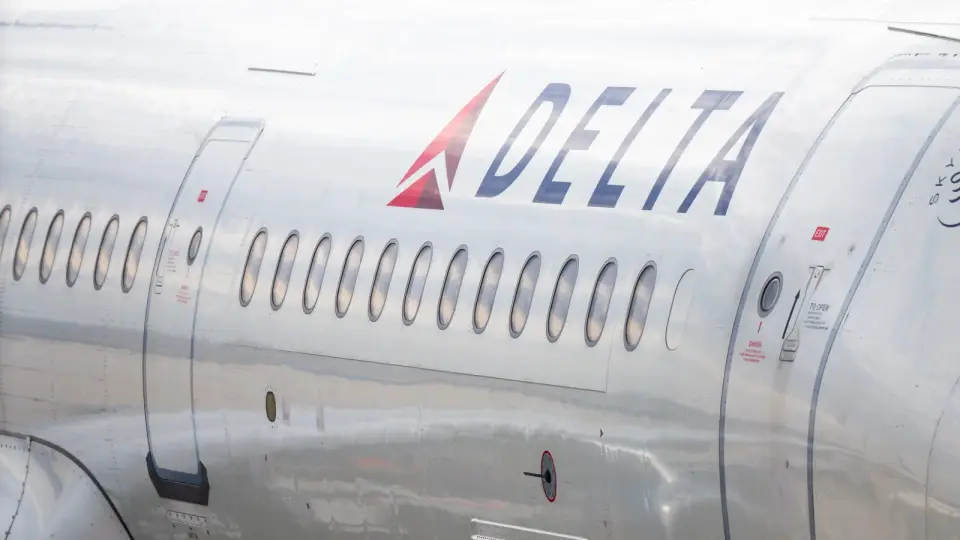
On August 25, 2026, the captain of Delta Air Lines Flight 437 experienced a medical emergency while flying a Boeing 757 from Los Angeles to Boston. The crew diverted to Detroit Metropolitan Wayne County Airport, where the captain disembarked for hospital treatment. A replacement crew took over, and the flight arrived in Boston approximately 90 minutes late. Delta confirmed the incident as a crew illness and apologized to passengers, though the captain’s specific condition remains undisclosed.
Key points
- Delta Flight 437, carrying 147 passengers, departed Los Angeles at 11 a.m. PT on August 25, 2026.
- The captain radioed air traffic control stating, 'I am the one who is ill,' and requested to taxi to the gate for hospital access.
- The aircraft diverted to Detroit Metropolitan Wayne County Airport around 5:45 p.m. local time, roughly four hours into the journey.
- The captain was removed from the plane, and a new crew boarded to resume the flight to Boston.
- The flight landed in Boston at approximately 9:00 p.m. ET, about 90 minutes behind schedule.
- Delta confirmed the delay was due to a 'crew illness' and apologized for the disruption, without disclosing the captain’s medical condition.
Background
This incident follows a pattern of mid-flight medical emergencies involving airline crews. In June 2026, a pilot on an Air Canada PAL Airlines flight suffered a medical emergency, requiring passenger assistance and a diversion. Earlier in August 2026, a Swiss International Air Lines flight diverted to Bangor, Maine, after declaring an emergency, though the cause was not disclosed. These events highlight the standard protocols for handling crew incapacitation, where the first officer assumes control and the aircraft diverts to the nearest suitable airport.
How outlets are covering it
All four sources (USA Today, The New York Times, CBS News, and TODAY.com) agree on the core facts: the captain’s illness, the diversion to Detroit, and the delayed arrival in Boston. USA Today and The New York Times emphasize the FAA’s confirmation and the captain’s direct radio communication, respectively. CBS News highlights the operational procedure, noting that the captain handled communications to allow the first officer to focus on flying, a practice confirmed by former pilot Matthew Buckley. TODAY.com focuses on the passenger impact, noting the 90-minute delay. No source disputes the timeline or the airline’s response, but they differ in emphasis: USA Today and NYT focus on the regulatory and factual confirmation, CBS on the procedural correctness, and TODAY on the customer experience.
Why it matters
The incident underscores the critical importance of standard operating procedures in commercial aviation, particularly the role of the first officer in maintaining flight safety during a captain’s medical emergency. It also highlights the transparency and communication protocols between airlines, the FAA, and the public in such events. While no injuries were reported, the delay affected 147 passengers, illustrating the ripple effects of mid-flight medical emergencies on airline operations and customer trust.
What to watch
Delta Air Lines has not disclosed the captain’s medical condition or whether he will return to service. The FAA is expected to review the incident as part of its standard oversight of airline safety and crew health protocols. Passengers affected by the delay may seek compensation or rebooking, though Delta has not publicly announced any specific measures beyond its apology.
- Sick Delta Air Lines captain diverts plane. 'I'm the one that's ill' USA Today
- ‘I Need to Go to the Hospital,’ Delta Pilot Tells Air Traffic Control The New York Times
- Delta flight from LA to Boston lands in Detroit as captain gets sick: "I am the one who is ill" CBS News
- Delta Pilot Makes Emergency Landing After Falling Ill: ‘I Need to Go to the Hospital’ TODAY.com
- Video Pilot makes emergency landing due to medical issue: 'I'm the one that's ill' ABC News - Breaking News, Latest News and Videos
Want the full story? Read the original reporting
Read on USA Today