
California Homeowners Face Rising Costs and Coverage Gaps as Insurers Struggle with Wildfire Risk
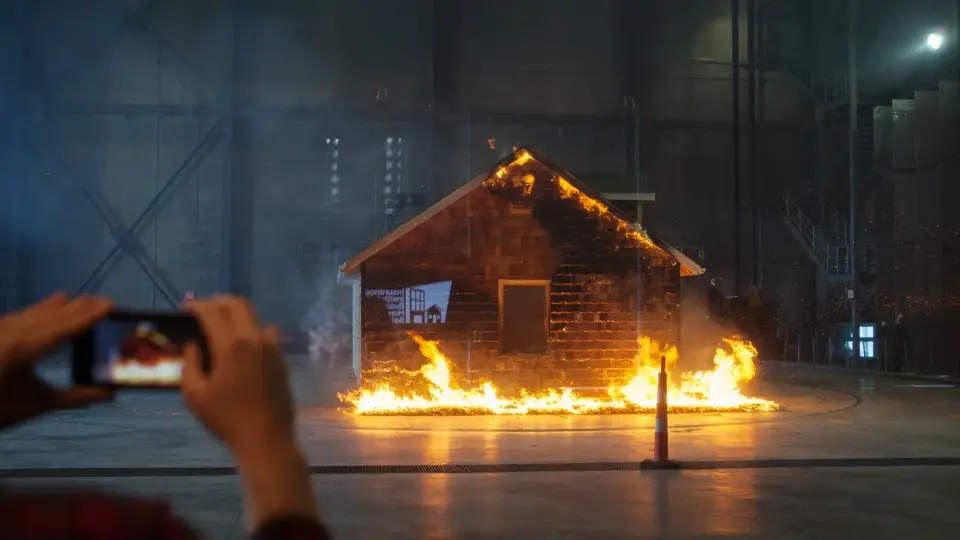
California homeowners in wildfire-prone areas are facing skyrocketing insurance premiums and limited coverage options due to regulatory constraints and rising risks. While insurers fund research into fire-resistant building designs, they offer minimal discounts for homeowners who invest in safety upgrades, creating a 'moral hazard' where the cost of prevention outweighs the perceived benefit. Recent regulatory changes allow insurers to use forward-looking catastrophe models, but this may lead to higher prices or a shift toward the less regulated 'non-admitted market,' leaving many families without state-backed protection.
Key points
- Insurers fund destruction labs in South Carolina to test how building designs withstand fires, aiming to reduce future payouts, but these efforts do not always translate into lower premiums for homeowners.
- The concept of 'moral hazard' suggests that when insurers cover total losses, homeowners have less incentive to invest in expensive safety upgrades like metal roofs or ember-resistant vents, especially if neighbors do not do the same.
- In Paradise, California, residents report that discounts for hardening their homes are negligible, raising questions about whether insurers are accurately pricing the risk reduction provided by these upgrades.
- California’s Proposition 103, passed in 1988, forced insurers to base rates on historical losses rather than forward-looking models, artificially suppressing premiums and encouraging development in high-risk areas until insurers withdrew from the market.
- In late 2024, California adopted rules allowing insurers to use forward-looking catastrophe models in exchange for writing more policies, but this may result in significantly higher premiums for consumers.
- Some homeowners have moved to the 'non-admitted market' for better coverage, but this sector lacks the state-mandated backstop that protects policyholders if an insurer fails after a major disaster.
Background
This situation follows a period of intense wildfire activity in California, including the 2025 Palisades Fire and recent vegetation fires in the Oakland-Berkeley hills. The insurance crisis is part of a broader trend where climate change and regulatory frameworks have made traditional insurance markets unstable in high-risk zones, pushing residents toward alternative coverage options that may offer less financial security.
Why it matters
The stability of the home insurance market in California directly impacts the financial security of millions of residents in wildfire-prone areas. If insurers continue to withdraw or charge prohibitive rates, homeowners may face a choice between unaffordable premiums and no coverage at all, potentially leading to increased vulnerability to disaster and economic instability for affected communities.
What to watch
Regulators and insurers will likely continue to adjust pricing models and coverage requirements in response to the 2024 rule changes. Homeowners may see a shift toward the non-admitted market, while state officials may need to intervene to ensure adequate coverage remains available without leaving residents exposed to insurer insolvency. Further reporting is expected on the expansion of the non-admitted market and efforts to stabilize the admitted market.
Want the full story? Read the original reporting
Read on NPR