
Qantas Accelerates A380 Retirement to 2028 Amid Rising Costs
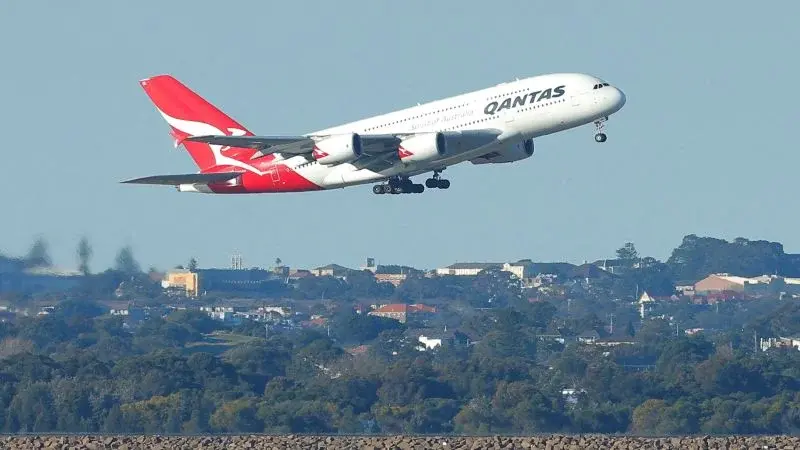
Qantas will retire its 10 Airbus A380 superjumbos by 2028, four years earlier than planned, citing rising maintenance and fuel costs. This move signals a broader industry shift away from the massive aircraft, which is becoming uneconomical for most carriers. While only 193 A380s remain in service globally, Emirates plans to keep its large fleet flying into the early 2040s, creating a split market where the aircraft survives only for high-density hub operators.
Key points
- Qantas announced in August it will begin retiring its 10 A380s in 2028, accelerating the timeline by four years due to high operational costs.
- The airline estimates a net cash-flow benefit of approximately A$300 million between FY2028 and FY2031 from replacing the superjumbos with Airbus A350-1000s.
- Global A380 numbers have dropped to 193 in service, down from a peak of over 230 in the late 2010s, as Airbus ceased production in 2021.
- Emirates, the largest operator with 101 active aircraft, plans to fly its A380s into the early 2040s, investing billions in refurbishments to maintain their viability.
- Other carriers like Lufthansa and Singapore Airlines plan to keep their smaller A380 fleets in service well into the 2030s, but most are moving toward retirement.
Background
The A380 has faced a turbulent history, with many declaring it obsolete during the pandemic, only to see it return due to production delays for newer aircraft. Recent incidents, such as a tool left in a Qantas A380 wing in August 2026, have highlighted maintenance challenges for aging fleets. The aircraft was initially marketed as a luxury flagship by Gulf carriers, but its economic model has struggled as premium travel standards evolved and fuel efficiency became a priority.
How outlets are covering it
CNN emphasizes the cultural and passenger appeal of the A380, noting its status as a 'technological marvel' despite being a commercial disappointment for Airbus. It highlights the emotional attachment of frequent flyers and aviation enthusiasts to the aircraft's spaciousness and smooth ride. In contrast, ts2.tech focuses on the financial and strategic implications, detailing Qantas's specific margin improvements and cash-flow benefits from replacing the A380s. It frames the A380 as a 'long-tail support asset' for Airbus, with the real prize being orders for replacement aircraft like the A350 and Boeing 787. InsideFlyer provided no substantive content, returning a 404 error, so it offers no perspective on the story.
Why it matters
The accelerated retirement of the A380 by Qantas marks a pivotal moment for the aviation industry, signaling the end of the era for massive, fuel-intensive superjumbos. It reflects a shift toward smaller, more efficient aircraft that offer better premium cabin mixes and lower operating costs. For investors and airlines, this transition represents a significant capital expenditure shift, with billions flowing into new aircraft orders. The A380's survival is now largely dependent on Emirates, making it a niche aircraft rather than a global standard.
What to watch
Qantas is expected to begin retiring its A380s in 2028, with the process likely concluding by 2031. The airline is working with Airbus and Boeing to finalize orders for replacement aircraft, including the A350-1000 and Boeing 787. Emirates will continue to invest in refurbishing its A380 fleet, aiming to keep them in service into the early 2040s. Other carriers will likely follow suit in retiring their A380s over the next decade, with the global fleet shrinking further as maintenance costs and supply chain issues for out-of-production aircraft mount.
- Qantas is retiring its A380s. Is it time to say goodbye to the superjumbo? CNN
- Airbus' $30 Billion Failure Is Now The Most Beloved Aircraft In The Sky In 2026 Simple Flying
- A380 remains passenger favorite despite airline exit insideflyer.com
- The Airbus A380 Fleet Still Counts 193 Jets as Qantas Prices Its Exit ts2.tech
- An A380 renaissance? Key Aero
Want the full story? Read the original reporting
Read on CNN