
Boehly-led consortium agrees to buy Lukoil’s foreign assets in $10B deal pending U.S. approval
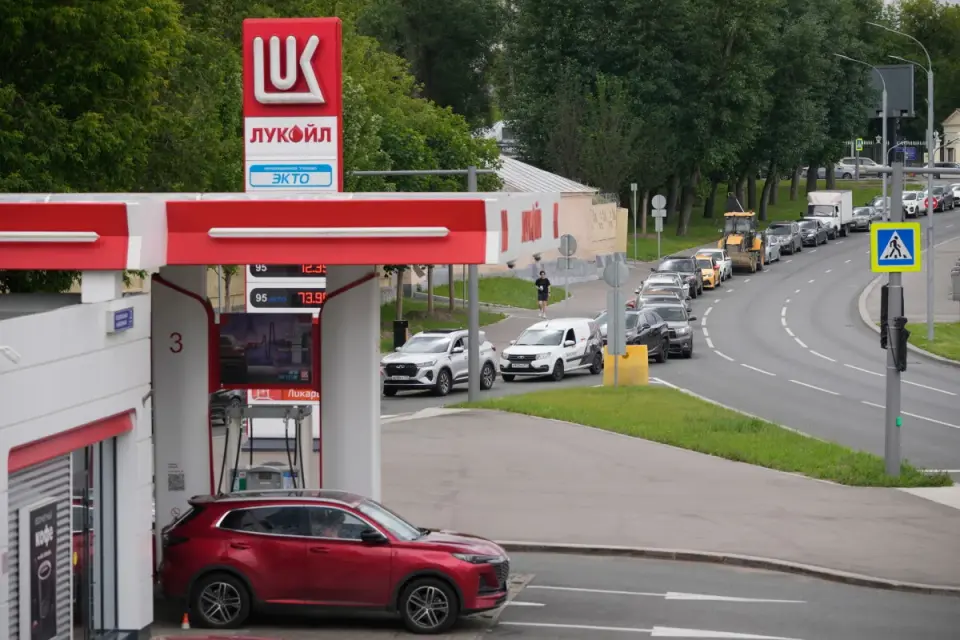
A consortium led by U.S. billionaire Todd Boehly has agreed to acquire the international energy assets of Russian oil giant Lukoil in a deal valued at approximately $10 billion. The transaction, which includes the U.S. International Development Finance Corporation (DFC), is structured as a share swap to avoid direct cash payments to Russia. The deal faces bipartisan criticism over the DFC’s involvement and requires final approval from the U.S. Treasury Department’s Office of Foreign Assets Control (OFAC).
Key points
- The consortium, led by Eldridge Industries (Todd Boehly), includes the U.S. DFC, UAE-based Catena Investment Holding, and investment bank Xtellus Partners.
- The deal covers Lukoil International’s assets in 11 countries, including refineries, gas stations, and production facilities yielding 350,000 barrels of oil equivalent per day.
- The transaction is structured as a share swap, exchanging restricted Russian shares for Lukoil International’s equity to prevent direct cash transfers to Russia.
- The agreement is pending final approval from OFAC; Lukoil’s General License 131, which permits negotiations, is set to expire on December 19, 2026.
- The deal excludes business associates of Trump envoys Jared Kushner and Steve Witkoff, following earlier conflict-of-interest concerns.
Background
Lukoil was sanctioned by the U.S. Treasury in October 2025 to pressure Russia over its war in Ukraine. Previous attempts to sell its international assets to firms like Gunvor and Carlyle failed or lapsed due to regulatory hurdles or lack of Treasury approval. This latest deal follows a pause in new sanctions by President Trump in October 2026. The DFC, created in 2018 to counter Chinese influence in emerging markets, is now involved in a transaction with a sanctioned Russian entity, a move critics argue violates congressional intent.
How outlets are covering it
AP News and The New York Times emphasize the political controversy, noting that Rep. Gregory Meeks criticized the DFC’s involvement as circumventing a congressional ban on investing in Russia. CNN highlights the strategic shift, with analyst Petras Katinas arguing the deal demonstrates the efficacy of sanctions by forcing Russia to relinquish decades of accumulated assets. CNBC focuses on the market impact, noting the deal allows Europe to buy fuel previously produced by Lukoil through a U.S.-led group rather than Russia. All sources agree the deal is pending OFAC approval, but they differ on whether the DFC’s participation represents a strategic security win or a regulatory violation.
Why it matters
The deal could reshape global energy supply chains by transferring control of European refineries and U.S. gas stations to a U.S.-led entity, potentially stabilizing fuel prices in allied nations. It also tests the limits of U.S. sanctions enforcement, as the DFC’s participation challenges the 2022 ban on Russian energy imports. If approved, it may set a precedent for using state-backed financial tools to acquire assets from sanctioned entities, potentially undermining the leverage of sanctions as a diplomatic tool.
What to watch
The deal requires final approval from OFAC, which is expected to review the transaction within the 60-day exclusivity period. Lukoil’s General License 131 expires on December 19, 2026; if approval is not granted by then, the deal may collapse or require a new license. Congress may hold hearings or vote on the DFC’s role, particularly after Sen. Tim Kaine announced he will force votes on human rights consequences of U.S. policies in Russia. The U.S. government may also face legal challenges if the deal is seen as violating the 2022 ban on Russian energy imports.
- US-led consortium agrees to acquire assets from Russian oil company Lukoil AP News
- Russian oil firm Lukoil’s overseas assets sold to investors led by US billionaire Todd Boehly CNN
- EXCLUSIVE: Billionaire Boehly signs US-backed share swap deal to buy Lukoil global assets Reuters
- Investors led by U.S. billionaire Todd Boehly to buy Lukoil's oil and gas assets outside Russia, sources say CNBC
- Lukoil to Sell Foreign Assets, but Not to Kushner and Witkoff Associates The New York Times
Want the full story? Read the original reporting
Read on AP News