
Retail Workers Demand AI Guardrails as Walmart Cashier Cites Faulty Safety Alerts
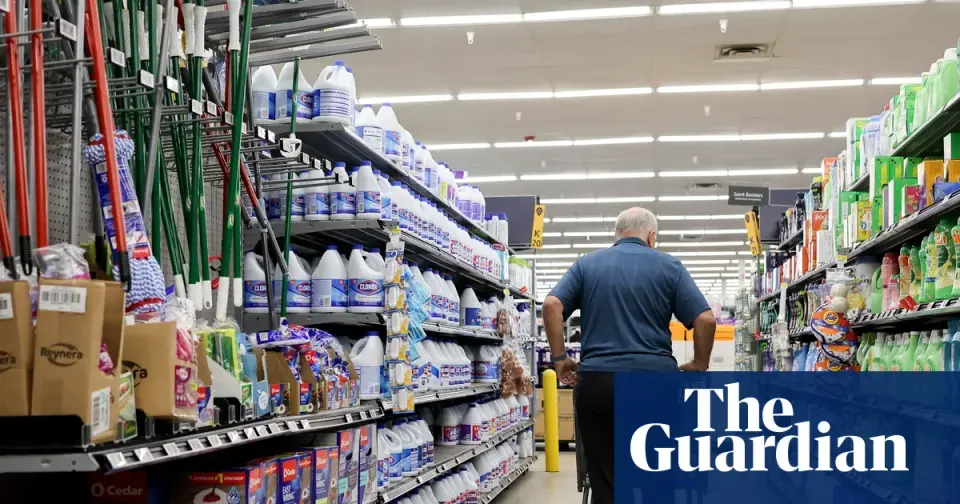
As Black Friday shopping begins, labor leaders and workers are calling for stricter regulations and collective bargaining protections regarding AI in US retail. A Walmart cashier in southern Oregon reported that faulty AI safety alerts disrupt customer service, while industry data shows widespread AI adoption. Policymakers are responding with new laws, including a Rhode Island mandate on self-checkout staffing, as unions push for human oversight in disciplinary and scheduling decisions.
Key points
- A Walmart cashier, identified as Anna, reported receiving 10 to 15 faulty AI safety alerts per shift, which block her from assisting customers until she uploads photos to clear them, often for non-issues like shadows or stickers.
- The National Retail Federation survey of 56 AI leaders found that 75% of US retailers are implementing AI for coding and app development, with 59% using it for supply chain operations, signaling continued expansion of AI tools.
- Labor leaders, including Stuart Appelbaum of the Retail, Wholesale, and Department Store Union, argue that AI creates a 'pressure cooker' environment and demand human review before any disciplinary action, citing contracts that already include AI protections.
- Bloomberg Law reports that Rhode Island has passed a first-of-its-kind law requiring at least one employee-run checkout for every three self-service stations starting in 2027, with similar local ordinances passed in California cities like Costa Mesa and Long Beach.
- Walmart defended its AI tools as 'people-led and tech-powered,' citing a June 2026 survey where 84% of workers reported confidence in digital tools, though critics note this does not measure the accuracy of specific alerts.
Background
This debate follows earlier concerns about AI's impact on employment, with a July 2026 Stanford University policy brief describing AI's current effect on overall employment as 'likely small.' However, specific sectors are seeing changes; Kroger announced plans to cut 3,000 corporate jobs in October 2026, citing AI to streamline operations. The broader context includes a 2025 Consumer Reports investigation finding that Kroger archives and sells customer data, and the use of automated license plate readers by major retailers like Macy's and Target for security purposes.
How outlets are covering it
The Guardian and Superpower Daily emphasize the immediate impact of AI on worker conditions, highlighting the specific case of the Walmart cashier and the need for collective bargaining rights. They frame AI as a tool for surveillance and cost-cutting that dehumanizes the workplace. In contrast, Bloomberg Law focuses on the legislative response, highlighting concrete regulatory actions like the Rhode Island law and local California ordinances that aim to limit automation through staffing mandates. Walmart's perspective, as reported by The Guardian, defends its AI implementation as supportive and evolving based on feedback, contrasting with the labor leaders' view that these tools are used to lower labor costs and increase profit margins without adequate worker input.
Why it matters
The rise of AI in retail is reshaping the relationship between employers, workers, and consumers. As AI tools become standard for scheduling, surveillance, and customer interaction, the lack of regulatory guardrails could lead to increased worker stress, reduced job security, and higher costs for consumers through 'surveillance pricing.' The emerging legislative efforts and union demands signal a potential shift in how labor laws and employment contracts will address technological automation in the coming years.
What to watch
The Rhode Island law on self-checkout staffing will take effect in 2027, serving as a potential model for other states. Labor leaders, including those from the United Food and Commercial Workers, expect AI-related protections to become a central issue in future collective bargaining contract renewals. Retailers may face further pressure from Wall Street to adopt AI for cost-cutting, potentially leading to more disputes over worker rights and consumer data privacy.
- ‘It’s not helping’: calls for guardrails and regulations as AI use rises at US retailers The Guardian
- Shoppers Are Bringing AI Into Stores — and Workers Aren’t Impressed Bloomberg.com
- Retail workers urge AI safeguards as Walmart cashier describes faulty safety alerts Superpower Daily
- Retail Workers Seek a Say in How Employers Use AI JournalArta
- Retail Self-Checkouts Targeted in Fight to Shield Jobs From AI Bloomberg Law News
Want the full story? Read the original reporting
Read on The Guardian