
Bayer Finalizes $7.25 Billion Roundup Settlement to End Decade of Cancer Litigation
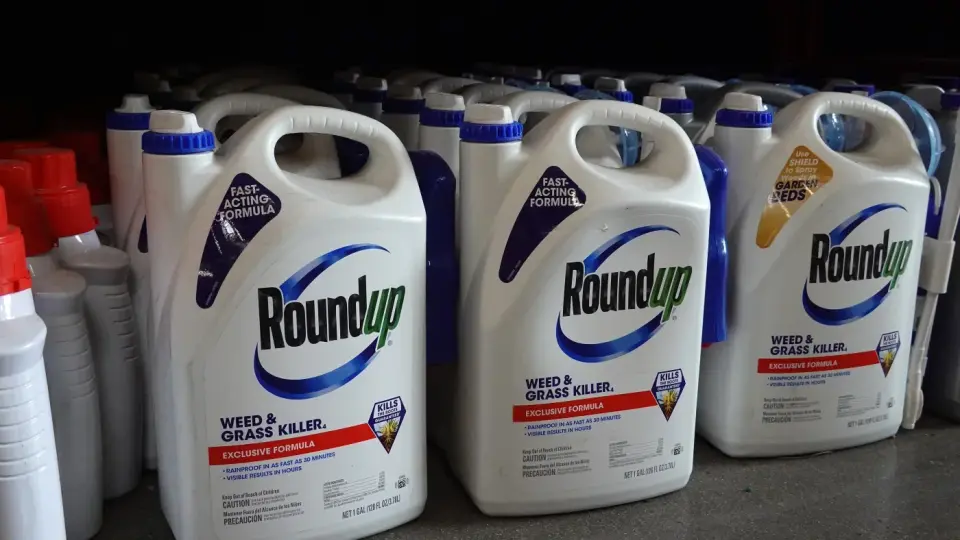
A Missouri judge has granted final approval to a $7.25 billion settlement between Bayer and thousands of plaintiffs alleging that the weedkiller Roundup causes cancer. The agreement resolves current and future claims related to non-Hodgkin lymphoma, with individual payouts ranging from $10,000 to $165,000. This follows a recent Supreme Court ruling that limited state-level failure-to-warn lawsuits against the company.
Key points
- Judge Timothy Boyer approved the settlement in a Missouri circuit court, calling it one of the largest mass tort personal-injury class action settlements in history.
- Bayer will pay the funds into a trust over 21 years, with compensation varying based on the claimant's age, occupation, and severity of illness.
- The deal resolves tens of thousands of lawsuits that accumulated after Bayer acquired Monsanto in 2018, a process that has cost the company at least $14 billion in litigation expenses.
- The settlement follows a 7-2 U.S. Supreme Court ruling that barred Bayer from being sued in state courts for failing to warn consumers about potential cancer risks.
- Bayer’s CEO Bill Anderson described the approval as a 'decisive milestone' to mitigate future litigation risks, while plaintiffs' attorney Christopher Seeger called it a delivery of 'guaranteed compensation' after a decade of waiting.
Background
Bayer acquired Monsanto, the manufacturer of Roundup, in 2018 for $63 billion, inheriting approximately 65,000 existing lawsuits. A previous settlement in 2020 resolved over 100,000 claims for between $10 billion and $11 billion. The World Health Organization has classified glyphosate as 'probably carcinogenic,' though the U.S. Environmental Protection Agency has not identified risks of concern, a stance that has faced pressure from public health advocates.
How outlets are covering it
NPR and The New York Times emphasize the finality of the legal battle, noting that the settlement and the Supreme Court ruling together provide 'containment' for Bayer. Mother Jones highlights the settlement as a barrier to future lawsuits, pointing out that Bayer does not admit liability and has historically influenced scientific research on glyphosate safety. The Washington Post notes that while the legal battle may end, the scientific and political debate over glyphosate’s safety continues, particularly within the Make America Healthy Again movement, which views the administration's support for the herbicide as a betrayal of public health interests.
Why it matters
The settlement marks a significant financial and legal conclusion for Bayer, potentially ending a decade of costly litigation. However, it does not resolve the ongoing scientific debate regarding the safety of glyphosate, which remains a contentious issue in public health policy and agricultural practices.
What to watch
Bayer will distribute the settlement funds over the next 21 years. The EPA is currently reviewing evidence related to glyphosate's human health risks, a process that may influence future regulatory decisions. Plaintiffs' attorneys may continue to pursue individual cases outside the class action framework, though the settlement aims to resolve most current and future claims.
- Bayer reaches Roundup settlement that could cost the company billions NPR
- Judge Approves $7 Billion Settlement Over Claims That Roundup Caused Cancer The New York Times
- It Just Got Harder to Sue Over Glyphosate Mother Jones
- Missouri judge approves Bayer's $7.25 billion Roundup settlement Reuters
- Judge approves $7.25 billion Roundup cancer settlement The Washington Post
Want the full story? Read the original reporting
Read on NPR