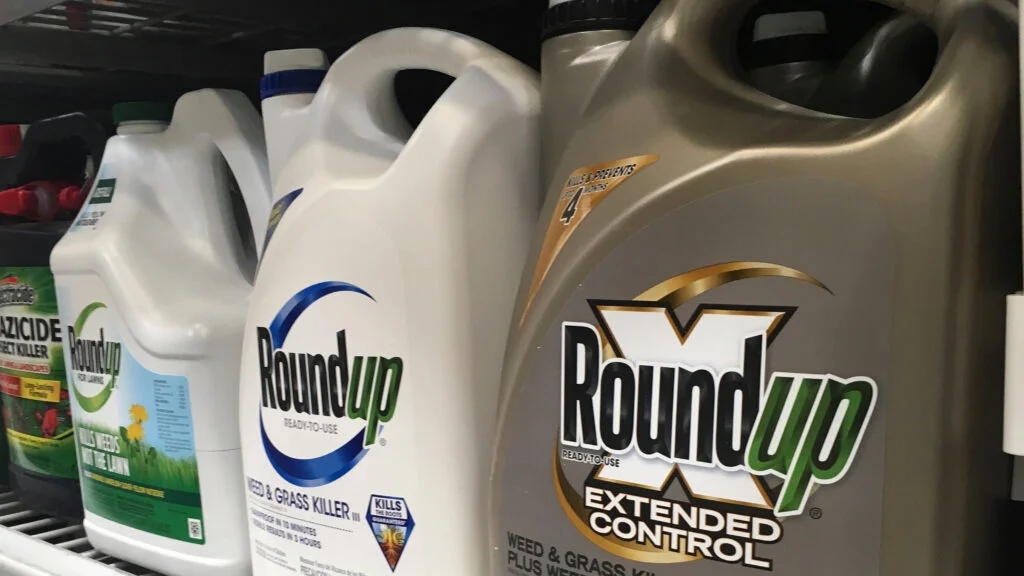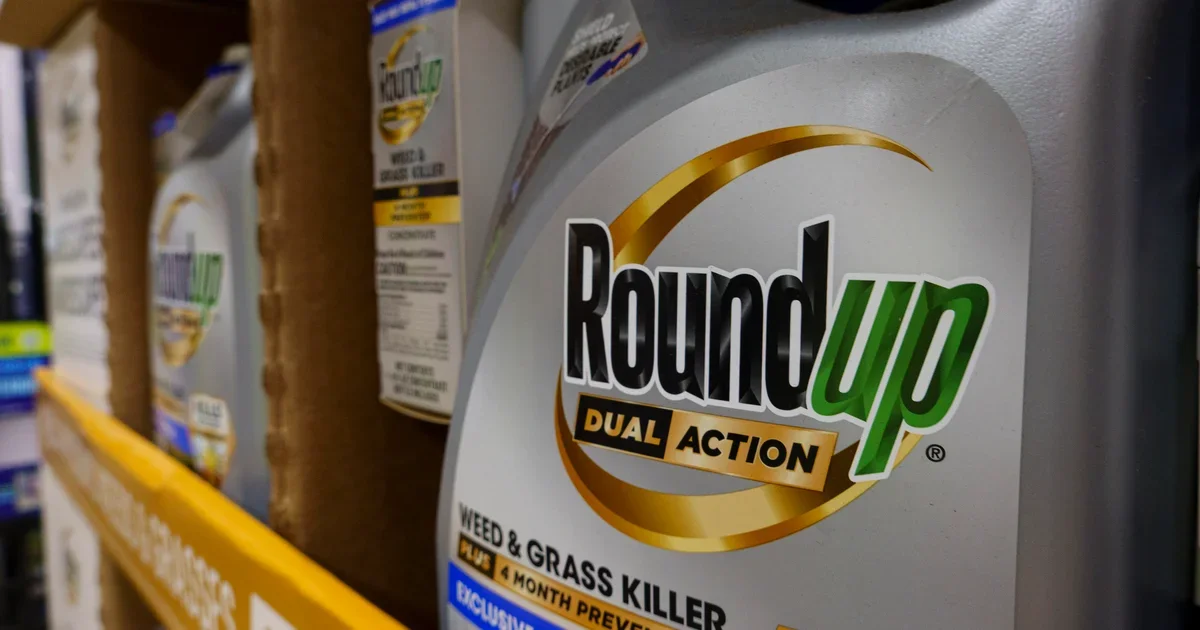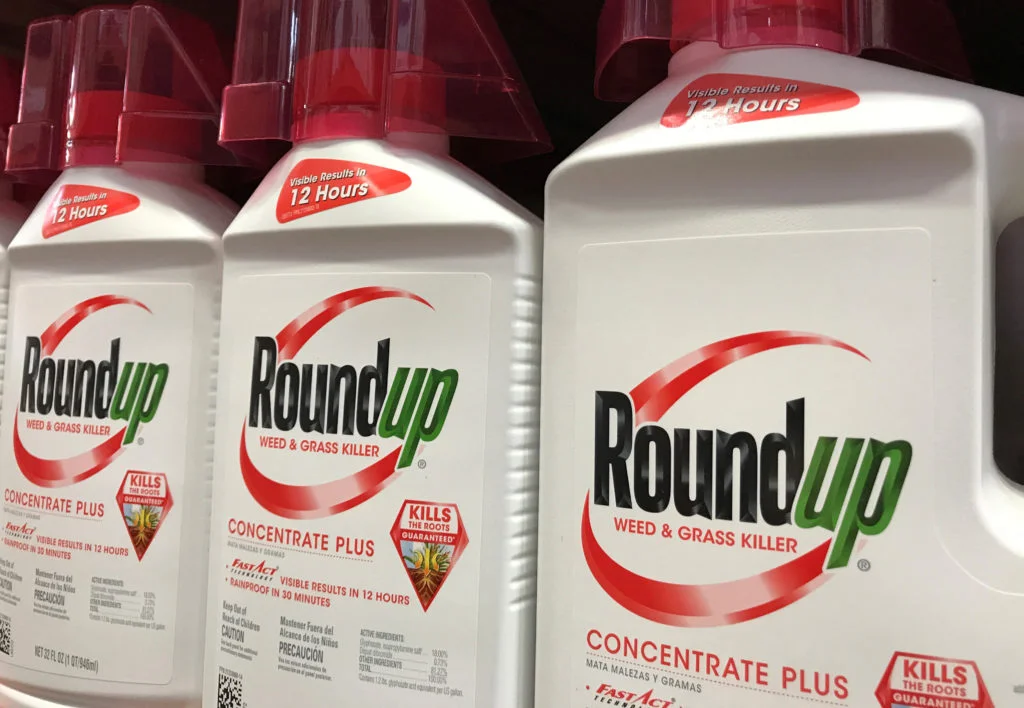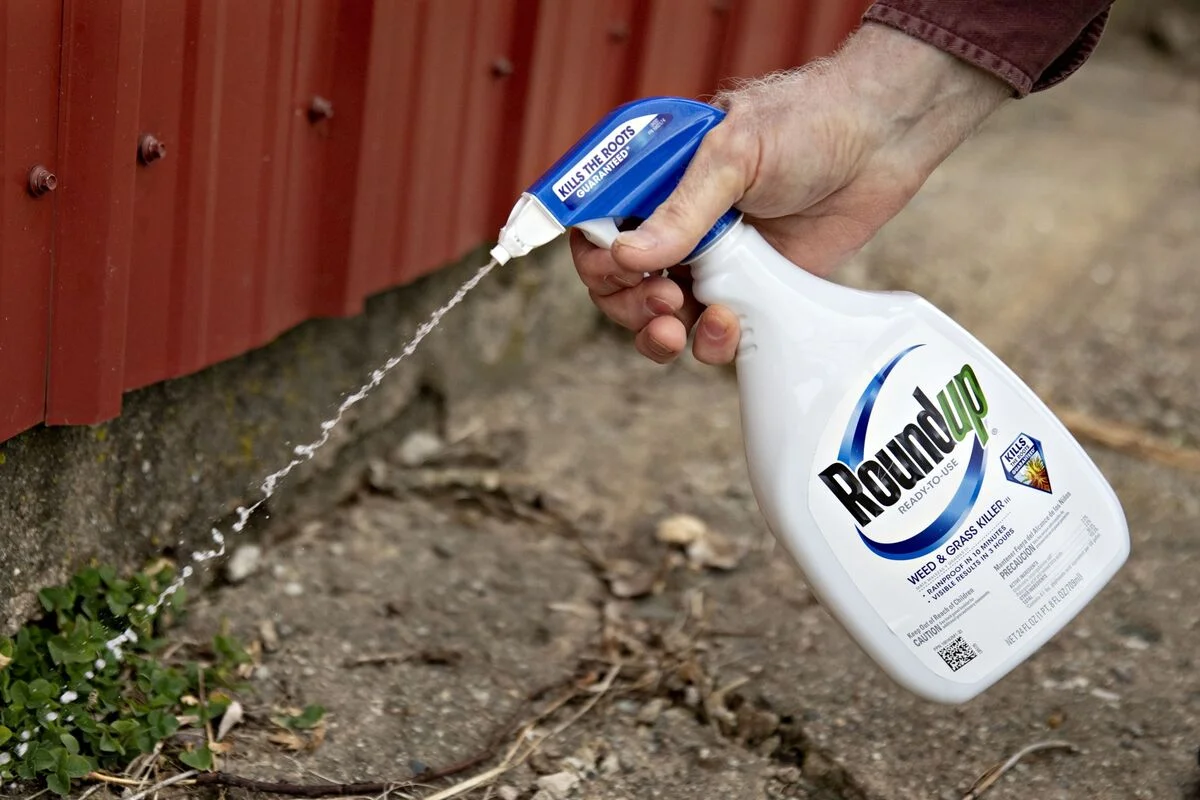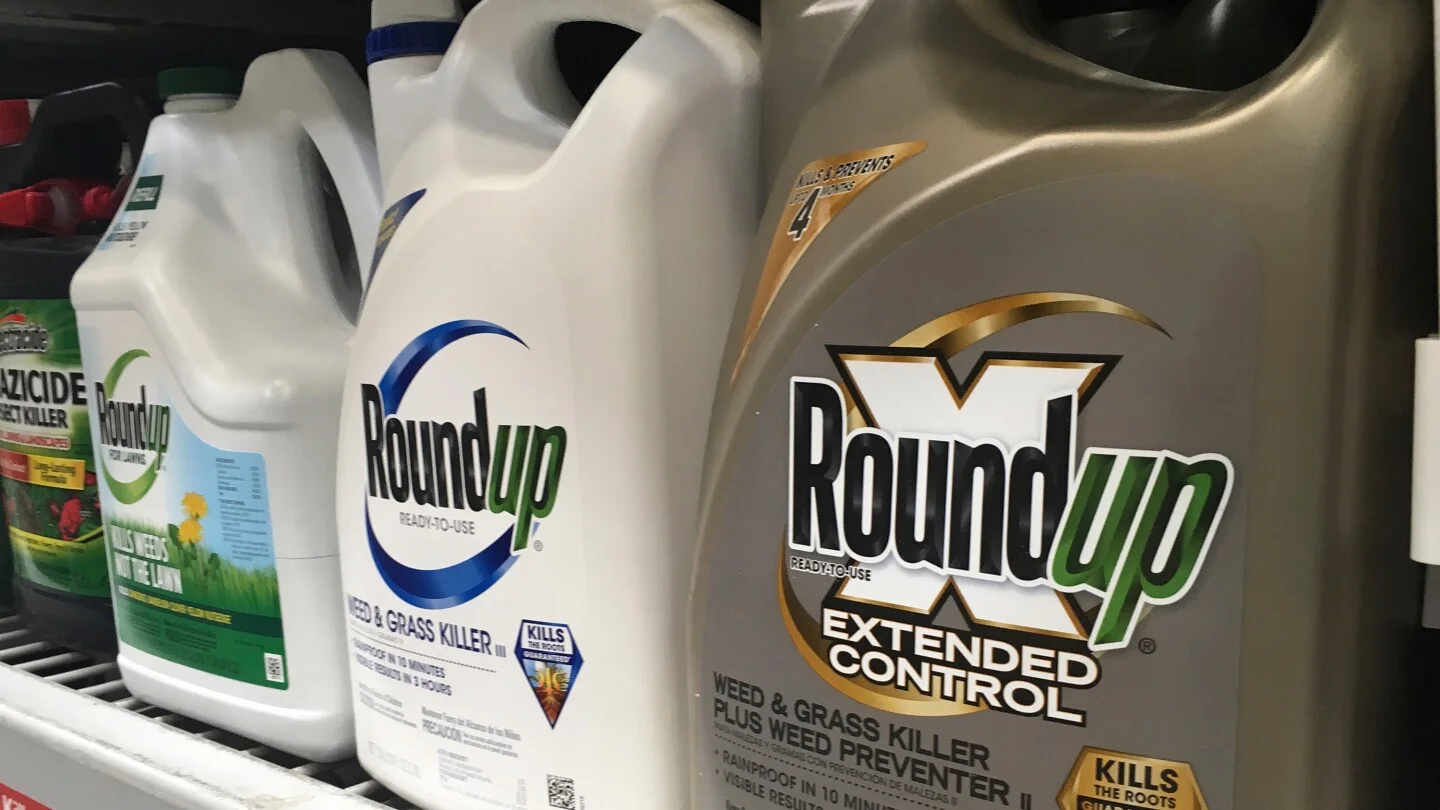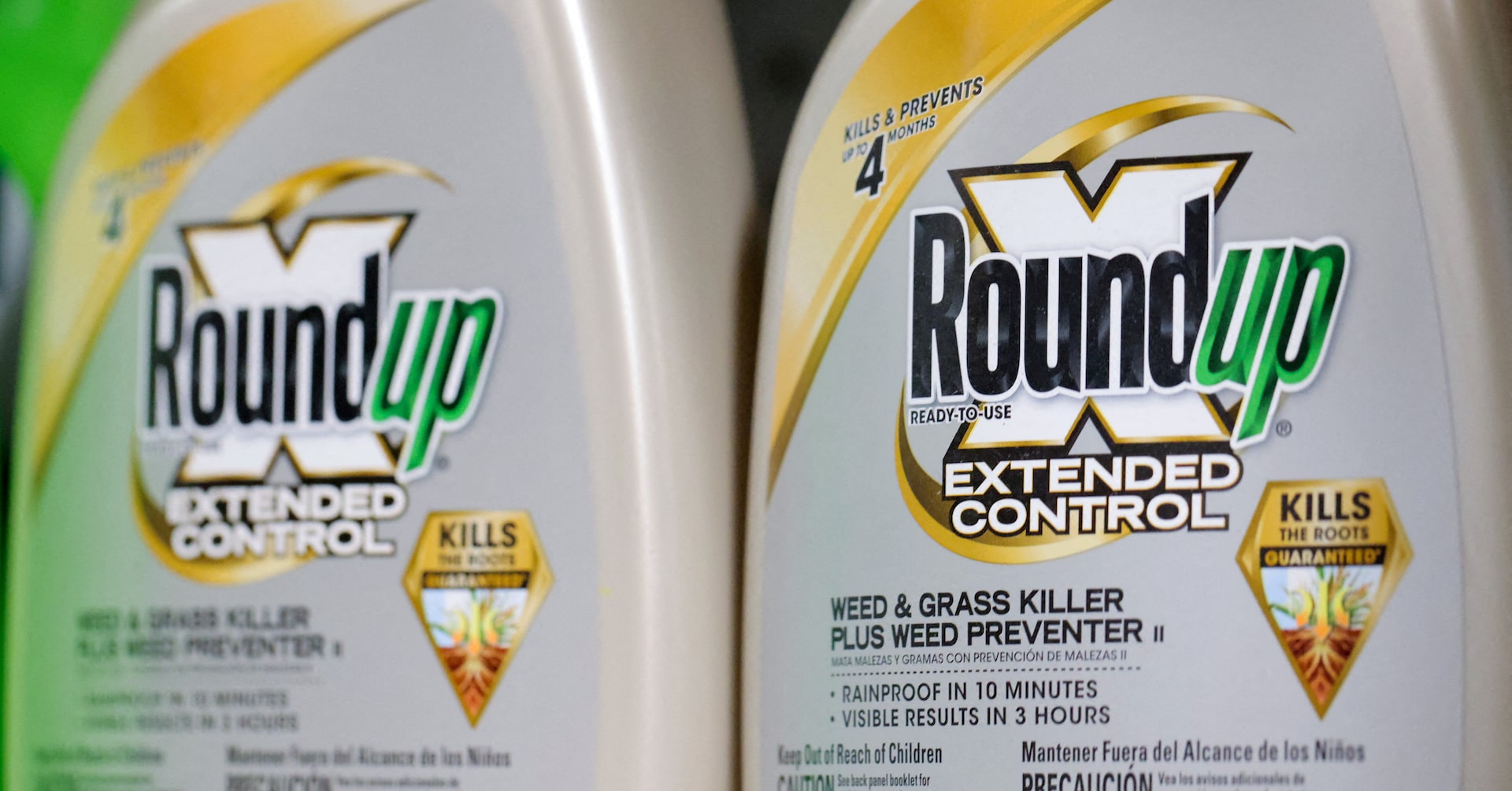
MAHA’s alliance with Trump is being strained as a Supreme Court glyphosate preemption case and a farm bill with a pesticide-liability shield threaten to fracture Republican support ahead of the 2026 midterms; the White House backs Bayer, while MAHA pushes for stronger labeling and accountability, prompting Democrats to try to keep the coalition intact.
Bayer warned the White House it could pull Roundup from the U.S. market if regulators didn’t reassure MAHA and farmers; after the MAHA report spotlighted glyphosate as a health concern, the White House signaled support for keeping the product by backing an executive order to boost domestic glyphosate production and approving Bayer’s phosphorus mining permit, a move praised as national‑security‑driven but criticized by MAHA and activists who fear profits over safety.
President Trump signed an executive order under the Defense Production Act to secure domestic production of glyphosate-based herbicides like Roundup and elemental phosphorus, granting immunity to manufacturers and arguing the move is essential to national security and food supply. Health and environmental groups criticize it amid thousands of lawsuits alleging cancer risks, while Bayer says it will comply and pursues preemption in courts; the policy could affect litigation as a Supreme Court preemption case awaits in April.
Bayer and plaintiffs’ lawyers unveiled a proposed nationwide settlement of up to $7.25 billion to resolve more than 125,000 U.S. Roundup cancer lawsuits, funded over as many as 21 years with payouts varying by exposure and age. The deal, which still needs Missouri court approval, would provide compensation even if the Supreme Court sides with Bayer on labeling preemption, while potentially shielding the company from larger future costs. Separately, Bayer has halted glyphosate in U.S. residential markets but continues its use in agriculture; regulators say glyphosate is unlikely to be carcinogenic when used as directed. Some plaintiffs’ attorneys say payouts are too small and opt-outs could derail the agreement.),
Bayer's Monsanto unit proposed a $7.25 billion settlement to resolve Roundup non-Hodgkin lymphoma lawsuits, with annual payments over up to 21 years if approved; the deal includes no admission of liability and would lift Bayer's total litigation liability to about €11.8 billion, plus roughly €3 billion in other Roundup settlements. The lawsuits stem from Bayer's 2018 acquisition of Monsanto, and Roundup remains on the market as Bayer maintains its safety claims.
Bayer has agreed to a proposed $7.25 billion settlement to resolve thousands of lawsuits alleging the Roundup herbicide causes cancer, aiming to end years of litigation.
The Supreme Court agreed to hear Bayer’s appeal aimed at blocking thousands of state lawsuits alleging the Roundup weedkiller causes cancer, weighing whether EPA approval without a cancer warning should defeat the claims. The Trump administration backs Bayer, reversing the Biden administration, while EPA officials say glyphosate is unlikely to be carcinogenic when used as directed. Bayer has set aside about $16 billion to settle claims and has pushed for state-level immunity laws, with Georgia and North Dakota enacting such measures. A Missouri case involving non-Hodgkin’s lymphoma is part of the docket, and Bayer faces roughly 181,000 claims overall. A 2024 appellate ruling favored Bayer, and the company has signaled it could remove glyphosate from U.S. residential markets but would retain it for agriculture; timing for arguments remains uncertain.
The US Supreme Court agreed to hear Bayer AG’s appeal challenging thousands of Roundup lawsuits, focusing on whether federal pesticide law preempts state-level failure-to-warn claims. Bayer seeks to dismiss many cases while still facing roughly 67,000 claims, with billions already paid in verdicts and settlements and more reserved. The ruling could harmonize preemption standards across courts and impact the trajectory of Roundup litigation.
The U.S. Supreme Court will hear an appeal from the maker of Roundup to block thousands of lawsuits alleging the popular weedkiller caused cancer, marking a major legal showdown over liability and potential preemption across pending cases.
Democrats successfully removed a rider from a US appropriations bill that would have limited lawsuits against pesticide companies like Bayer, aiming to protect consumer rights and state warnings about pesticide risks, amidst industry lobbying and ongoing legal battles over glyphosate-based products.
A Pennsylvania judge reduced a $2.25 billion verdict against Bayer to $400 million in a case where a man claimed he developed cancer from using Roundup weedkiller. Both Bayer and the plaintiff plan to appeal the decision.
A Pennsylvania judge reduced a $2.25 billion verdict against Bayer to $400 million for a man who developed cancer from using Roundup weedkiller. Bayer plans to appeal, arguing the trial had significant errors, while the plaintiff's attorneys also plan to appeal to reinstate the original verdict. Bayer has faced numerous lawsuits over Roundup, with mixed trial outcomes and significant financial implications.
A Philadelphia court reduced a $2.25 billion verdict against Bayer to $400 million for a man who claimed he developed cancer from the company's Roundup weedkiller. Bayer plans to appeal the ruling, despite the reduction in damages.
Bayer, facing billions in settlements and trials over claims that its weedkiller Roundup causes cancer, is lobbying lawmakers in Iowa, Missouri, and Idaho to pass bills providing legal immunity from such lawsuits. The legislation, supplied by Bayer, would shield pesticide companies from failure-to-warn claims if their labels comply with EPA regulations, but critics warn it could have broader consequences and stifle product liability claims. Farmers and lawmakers supporting the bills argue that Roundup is a crucial tool for agriculture, while opponents express concerns about corporate immunity and potential risks to public health.
Bayer AG plans to reduce its dividend by 95% in an attempt to address financial challenges stemming from its acquisition of Monsanto Co., which burdened the company with significant debt and legal battles related to Roundup herbicide. The dividend cut reflects the company's struggle to manage its debt pile of over €38.7 billion amid mounting legal costs and rising interest rates. Bayer's decision to slash its dividend comes as it grapples with ongoing litigation, patent expirations, and declining sales in its crop science and pharmaceutical divisions, prompting the need for strategic actions to restore its balance sheet and financial flexibility.