
Kalshi Faces Existential Legal Threats as Tribal and State Courts Reject Financial Instrument Defense
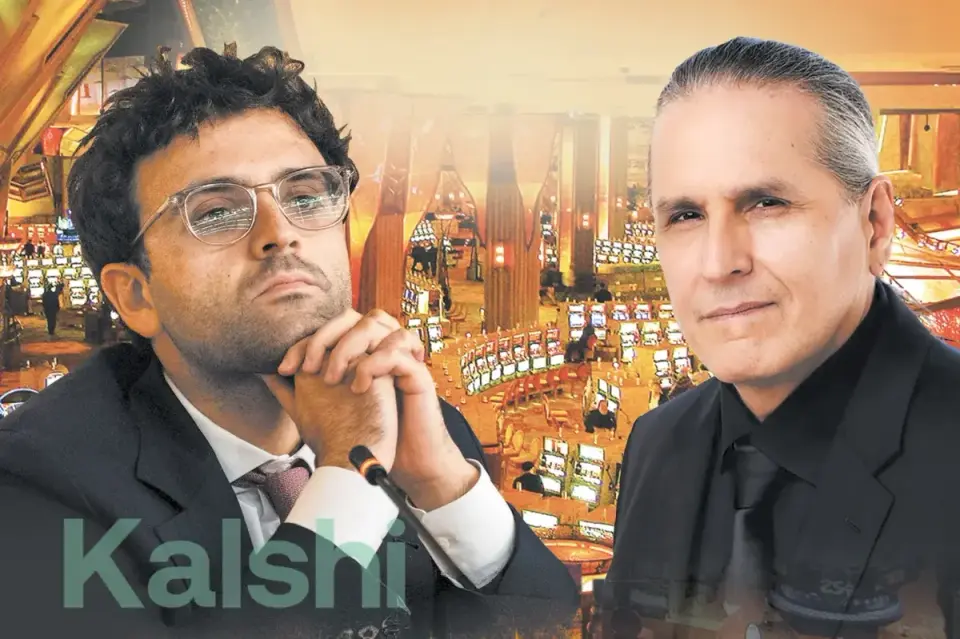
Kalshi is facing a multi-front legal crisis after federal appeals courts ruled its sports contracts are gambling, not financial swaps. The Ninth Circuit blocked the platform on three California tribal reservations, while the Sixth Circuit affirmed state gambling laws in Ohio and Tennessee. These rulings contradict a Third Circuit decision favoring Kalshi in New Jersey, setting the stage for a Supreme Court showdown that could define the industry’s future.
Key points
- The Ninth Circuit ruled that Kalshi’s sports contracts constitute Class III gaming under the Indian Gaming Regulatory Act, allowing tribes to sue.
- The Sixth Circuit unanimously ruled that Ohio and Tennessee can regulate Kalshi’s sports offerings under state gambling laws, rejecting the CFTC’s exclusive jurisdiction claim.
- Kalshi has voluntarily geofenced its platform on three California tribal reservations following the Ninth Circuit’s partial reversal of a lower court’s denial of an injunction.
- The 3rd Circuit previously ruled in Kalshi’s favor against New Jersey, creating a split in federal appellate courts that has prompted a Supreme Court petition.
- Kalshi’s CEO Tarek Mansour attempted to negotiate with tribal leaders in 2025, but talks collapsed after Victor Rocha of the Indian Gaming Association rejected the overture as insincere.
Background
Kalshi, founded in 2018 and launched in 2021, has grown into a major prediction market platform with an estimated $4 billion in annual revenue, 70% of which comes from sports events. The company has raised $2.6 billion in venture capital and is reportedly in talks for new financing that could value it at $40 billion. The platform previously faced scrutiny for insider trading, permanently banning former Rep. George Santos in 2026 after he earned approximately $17,800 from trades tied to his attendance at the State of the Union. This legal battle over sports contracts follows a broader regulatory push to define the boundaries of prediction markets in the US.
How outlets are covering it
The New York Post highlights the personal animosity between Kalshi CEO Tarek Mansour and tribal leader Victor Rocha, noting that Mansour’s 2025 attempt to recruit Rocha as an advisor backfired, with Rocha calling him a 'lying little twerp' and accusing him of trying to divide the tribal community. The Post emphasizes the existential threat to Kalshi’s business model. In contrast, CNBC focuses on the legal fragmentation, noting that while the 6th and 9th Circuits ruled against Kalshi, the 3rd Circuit ruled in its favor in New Jersey, creating a 'patchwork' of regulations that Kalshi argues is unworkable. CDC Gaming suggests that tribes should bypass state attorneys general, who are hesitant to act, by enlisting city and county attorneys in California to enforce the Ninth Circuit’s ruling. Legal Sports Report notes that Kalshi’s voluntary geofencing of tribal lands is insufficient for the tribes, who argue that the harm to their sovereignty has already occurred.
Why it matters
The outcome of these legal battles will determine whether prediction markets can operate as a unified national platform or will be fragmented by state and tribal regulations. A Supreme Court ruling could either validate the CFTC’s exclusive jurisdiction over event contracts or empower states and tribes to regulate sports betting on these platforms, potentially crippling a $40 billion valuation. The conflict also highlights the tension between federal financial regulation and state/tribal gambling laws, with implications for other prediction market operators like Robinhood and Crypto.com.
What to watch
Kalshi has filed for an en banc hearing in the Ninth Circuit, but gaming attorney Daniel Wallach doubts it will succeed. The Supreme Court is expected to take up the case, potentially after further circuit court decisions. Tribes in California are urged to pursue enforcement through city and county attorneys, while the Tunica-Biloxi Tribe has launched its own prediction market app powered by Kalshi, challenging the tribal establishment. Investors remain optimistic that Kalshi can defeat some suits, but the legal uncertainty poses a significant risk to its business model.
- Inside Kalshi CEO Tarek Mansour's testy relationship with Indian casinos -- and how it could pose an existential threat: 'Lying little twerp' New York Post
- Appeals court rules that states can regulate Kalshi’s sports prediction markets, dealing another legal blow to platforms cnbc.com
- US appeals court rules against Kalshi, says states can regulate prediction markets Reuters
- California: Gaming tribes urged to enlist city, county attorneys in prediction market battle CDC Gaming
- Kalshi Leaves Parts Of California Following Appeals Court Loss Legal Sports Report
Want the full story? Read the original reporting
Read on New York Post