
Chip Analysts Target Dip After $5T Sector Crash; SpaceX Retires Historic Starship Catch
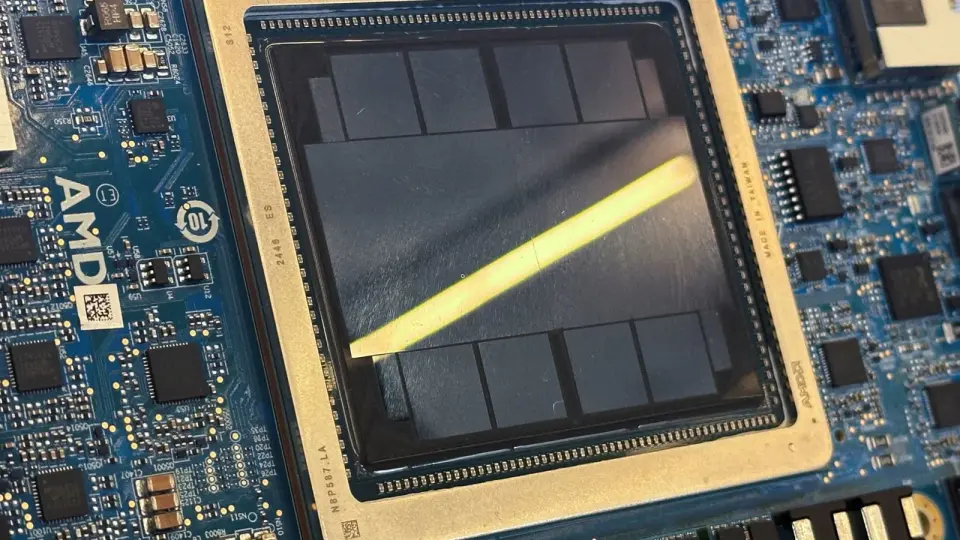
CNBC analysts advocate buying into a sharp decline in a specific chip stock, following a broader semiconductor sector crash that erased $5 trillion in value. Meanwhile, SpaceX has retired its first successfully recovered Starship upper stage for public display, marking a historic milestone in reusable rocketry.
Key points
- CNBC reports analysts are recommending purchases of a specific chip stock amid a sharp price decline.
- The semiconductor sector lost approximately $5 trillion in market value since early October 2026.
- SpaceX will not re-fly Ship 42, the first Starship upper stage successfully caught by 'chopsticks' on Nov. 14, 2026.
- Elon Musk stated the vehicle will be preserved for public display due to its historic significance.
- Ars Technica notes the catch validates SpaceX's path to fully reusable orbital systems, despite a concurrent ULA launch failure.
Background
In late October 2026, chip stocks rebounded after a sell-off, with JPMorgan upgrading Intel. However, by mid-November, a hot inflation report and CEO-related scandals triggered a massive drop, with Nvidia hitting oversold levels. Retail investors also abandoned 'buy the dip' strategies in early November, signaling market stress. This current recommendation to buy a declining chip stock follows this period of volatility and sector-wide losses.
How outlets are covering it
CNBC focuses on the investment opportunity, framing the sharp decline as a buying signal for a specific chip stock. In contrast, Space.com and Ars Technica highlight the operational and historical significance of SpaceX's Starship upper stage catch. While CNBC views market drops as financial opportunities, space outlets view the Starship catch as a technological milestone. Ars Technica contrasts SpaceX's success with the recent total failure of United Launch Alliance's Vulcan rocket, highlighting diverging trajectories in the US launch industry. The sources do not directly contradict each other but cover distinct sectors: financial markets versus aerospace engineering.
Why it matters
The chip stock recommendation signals potential value in a sector that has suffered massive losses, potentially affecting broader tech market sentiment. The decision to retire the Starship upper stage underscores the importance of reusable launch technology for future space missions and satellite constellations, impacting both commercial and national security space capabilities.
What to watch
Investors will monitor the performance of the recommended chip stock against the broader semiconductor sector. SpaceX will proceed with its next test flight, aiming for a double catch of both booster and upper stage. ULA will investigate the cause of its Vulcan failure, which could impact its contract with Amazon and the US Space Force.
- Here's why we want to buy the sharp decline in this chip stock CNBC
- During Wall Street's worst week in over a year, we put money to work. What we're buying CNBC
- SpaceX will retire 1st Starship upper stage ever caught by 'chopsticks,' Elon Musk says Space
- Rocket Report: A weekend of ups and downs; Stoke celebrates engine milestone Ars Technica
- Starship’s triumph and Vulcan’s failure The Planetary Society
Want the full story? Read the original reporting
Read on CNBC