Tag

Rocketry

All articles tagged with #rocketry

technology10 days ago

SpaceX Starship Flight 15 targets historic double catch to prove full reusability

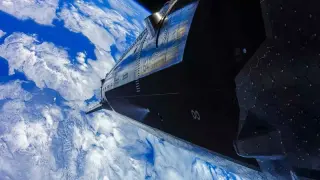
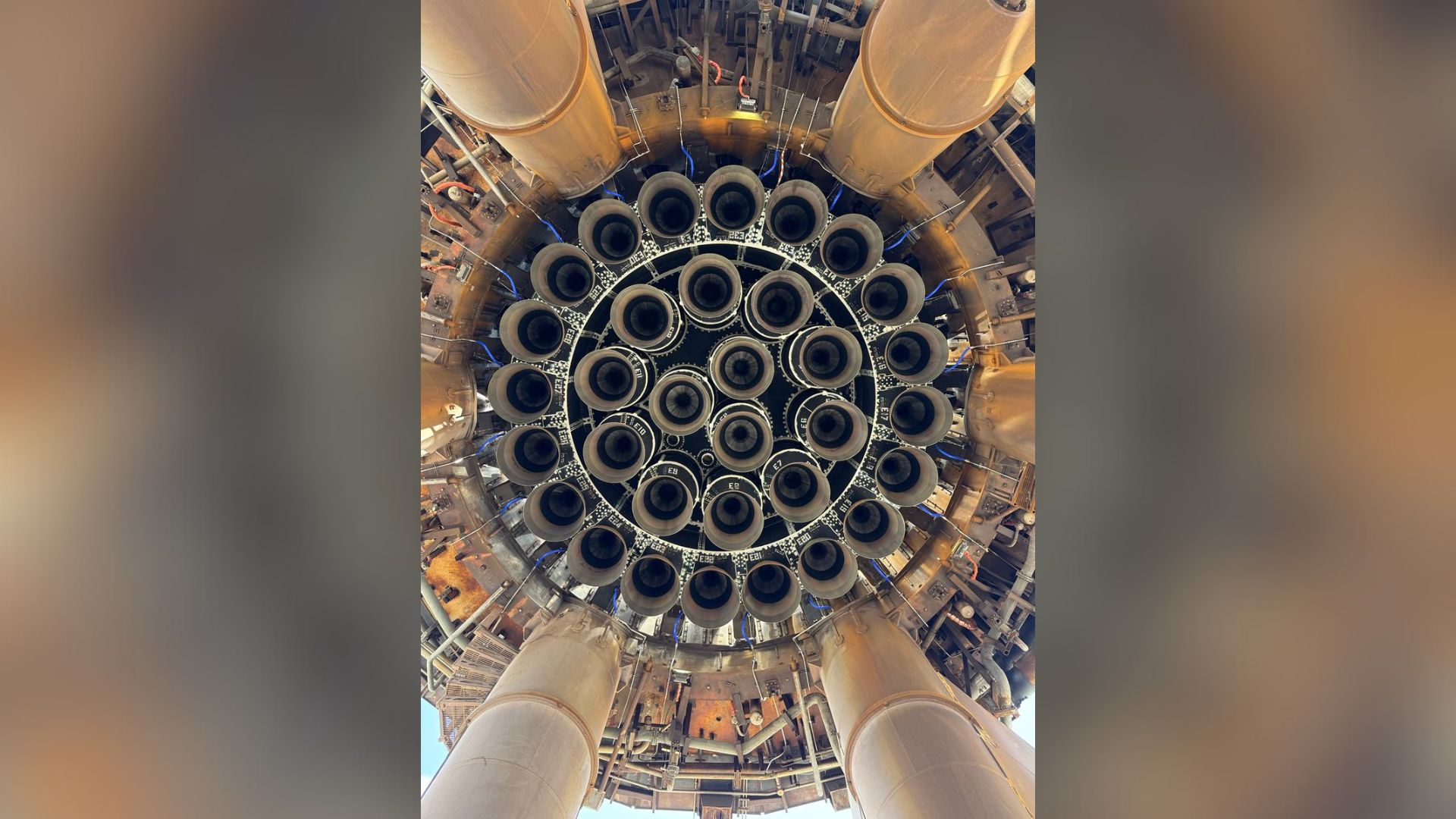
SpaceX is attempting the first full recovery of an orbital launch system on November 13, 2026, by catching both the Super Heavy booster and the upper stage of its Starship vehicle at its Texas facility. The mission, designated Flight 15, aims to validate the 'holy grail' of rapid reusability, which could drastically lower launch costs and enable future missions to the Moon and Mars. While the booster catch is a proven maneuver, the upper stage return is unprecedented, involving high-risk reentry over populated areas in Mexico and Texas. Success would mark a pivotal step toward SpaceX’s goal of launching thousands of Starlink satellites and potentially retiring its older Falcon 9 rockets, though experts note significant technical and regulatory hurdles remain.

SpaceX targets historic full rocket recovery in Starship Flight 15
technology11 days ago

SpaceX targets historic full rocket recovery in Starship Flight 15

SpaceX will attempt the first full recovery of an orbital rocket on November 13, aiming to catch both the Super Heavy booster and the Starship upper stage at its Texas launch site. The mission involves a 22-hour orbital flight to deploy 26 Starlink satellites before a high-risk reentry and landing. Success could drastically lower launch costs and accelerate plans for lunar and Mars missions, though previous engine failures and heat shield challenges remain significant risks.

Blue Origin to build second Cape Canaveral pad for larger New Glenn variant
space3 months ago

Blue Origin to build second Cape Canaveral pad for larger New Glenn variant

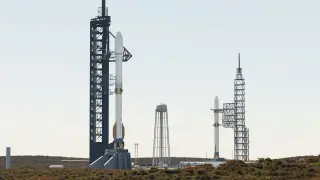
Blue Origin announced plans to construct a second launch pad, LC-36B, at Cape Canaveral to support the larger New Glenn 9x4 rocket. This expansion occurs alongside the urgent rebuilding of the existing LC-36A pad, which was damaged by a May 28 explosion. The company aims to return to flight by the end of 2026 using a new hybrid integration method, while the new pad will eventually host a 400-foot-tall vehicle capable of lifting 70 metric tons to low-Earth orbit.

Amateur Researchers Replicate Rocket Lightning Triggering Technique
science3 months ago

Amateur Researchers Replicate Rocket Lightning Triggering Technique

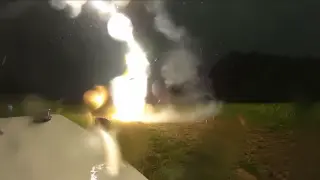
A hobbyist known as Electron Impressions successfully replicated the scientific method of triggering lightning using a rocket trailing a wire. The project involved building a custom 3D-printed rocket and a field mill to measure atmospheric electric fields. After multiple attempts, the rocket triggered a controlled strike, creating a plasma channel that fractured the ground but did not form a fulgurite. The experiment highlights the ongoing difficulty in studying lightning and the accessibility of advanced atmospheric research to non-professionals.

NASA Invites Proposals for 2026 Student Launch Challenge
science-and-technology1 year ago

NASA Invites Proposals for 2026 Student Launch Challenge

NASA is inviting student teams to participate in the 2026 Student Launch Challenge, where they will design and launch rockets with scientific payloads inspired by the Artemis lunar missions, culminating in events in Alabama in April 2026. The challenge aims to foster engineering, teamwork, and STEM skills among students from middle school to college, with proposals due by September 22, 2023.

science-and-technology2 years ago

College Students' Rocket Sets New Amateur Space Altitude Record

A team of students from the USC Viterbi School of Engineering's Rocket Propulsion Lab has set a new altitude record for student-built rockets with their creation, Aftershock II, which reached 90,000 feet in Nevada's Black Rock Desert. The rocket, featuring the most powerful solid-propellant motor designed by students, achieved hypersonic speeds of Mach 5.5. This achievement highlights the potential of student engineering and sets a new standard for innovation in aerospace technology.

Indigenous Ingenuity: MIT's First Nations Launch Team Soars with the Beaver and Father Sky
science-and-technology3 years ago

Indigenous Ingenuity: MIT's First Nations Launch Team Soars with the Beaver and Father Sky

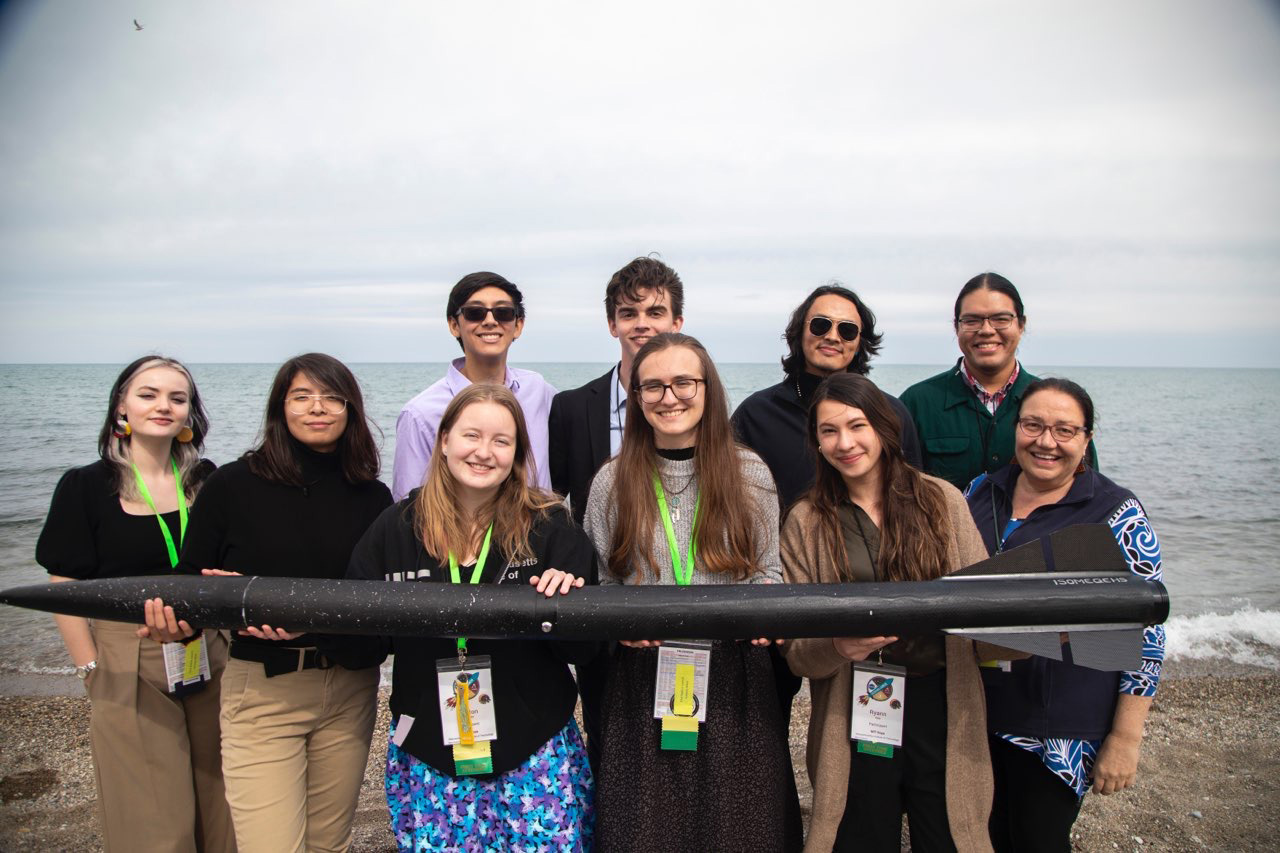
MIT's First Nations Launch team, consisting of an all-Indigenous group of students, participated in the 2023 First Nations Launch, an international NASA-Artemis Student Challenge focused on Indigenous representation in aerospace engineering. The team designed, built, and launched an 8-foot rocket made from scratch, ultimately receiving second place in the competition. The team's approach incorporates Indigenous values such as efficiency and respectful purpose. They are now preparing for the 2024 challenge and are actively engaged in outreach efforts to inspire Indigenous youth in STEM fields while maintaining their cultural ties.

Rocket Partnerships Fizzle: Russia and Ukraine's Collaboration Comes to an End
space3 years ago

Rocket Partnerships Fizzle: Russia and Ukraine's Collaboration Comes to an End

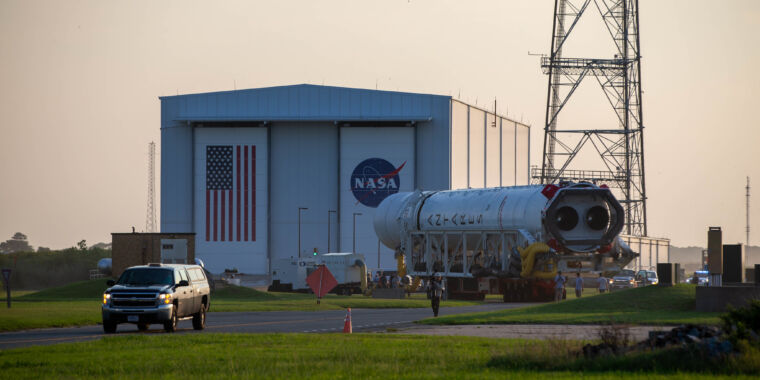
Northrop Grumman's Antares rocket, which has been using Russian and Ukrainian components for its resupply missions to the International Space Station since 2013, will launch for the last time with these components this week. Northrop Grumman has partnered with Firefly Aerospace to develop a new US-built first stage, replacing the Ukrainian booster. Sanctions and the conflict between Russia and Ukraine have severed most ties between Western companies and Russian industry, leading to the need for a new rocket configuration. The new Antares 330 rocket, expected to launch in mid-2025, will have increased payload capacity and aims to compete with other medium to large rockets in the market.

Amateur-built rocket breaks altitude records.
science-and-technology3 years ago

Amateur-built rocket breaks altitude records.

A team of nine students from Embry-Riddle Aeronautical University in Florida has broken three world records with their student-built rocket, Deneb. The rocket reached a height of 46,000 feet, making it the highest undergraduate and collegiate amateur liquid rocket launch in the US and breaking the amateur rocketry record. The team spent 4,000 hours over the past year designing, building, and testing Deneb. The rocket is the successor to Altair, which blew up when the team tried to launch it in October 2022. Several graduating students from the team have landed full-time jobs at SpaceX, Blue Origin, and Firefly Aerospace.