
DOJ Scrutiny of Andreessen Horowitz Marks a Shift in Venture Capital Antitrust Enforcement
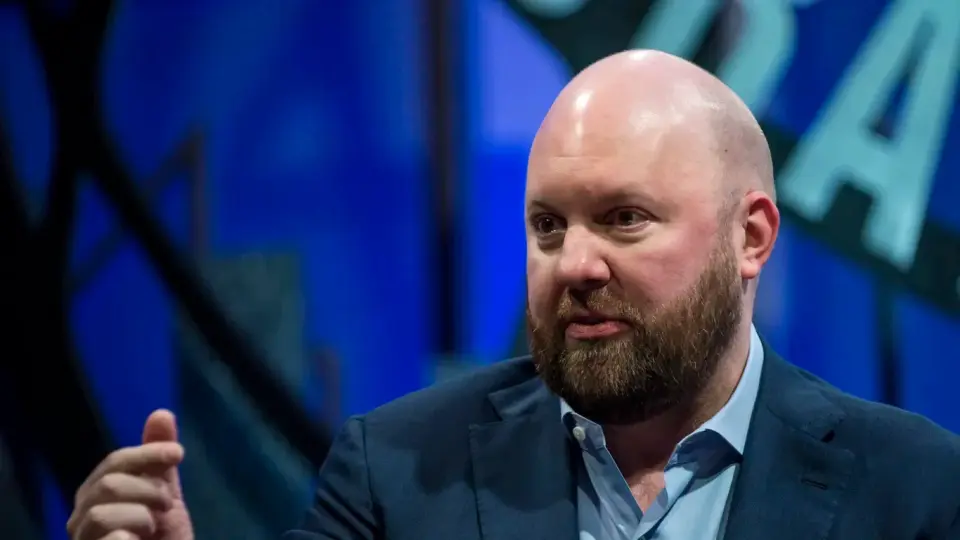
The U.S. Department of Justice is reportedly investigating Andreessen Horowitz for potential antitrust violations related to 'interlocking directorates,' specifically regarding board seats held by partners at competing firms Databricks and Fivetran. This marks a significant shift, as venture capital firms have historically been exempt from such scrutiny due to de minimis exceptions for smaller startups, a loophole now closing as AI companies raise billions. While the DOJ declined to confirm the probe, the move signals a broader enforcement strategy under the Trump administration that prioritizes market competition and affordability, potentially forcing the VC industry to reduce board involvement to avoid legal risks.
Key points
- The DOJ is reportedly investigating Andreessen Horowitz for violating Section 8 of the Clayton Act, which prohibits individuals from serving on the boards of competing companies.
- The probe focuses on Ben Horowitz’s board seat at Databricks and Martin Casado’s seat at Fivetran, two firms that compete in some areas while partnering in others.
- Venture capital firms were previously spared such investigations due to de minimis exceptions for company size and revenue, but these exemptions are eroding as AI startups achieve massive valuations.
- The DOJ declined to confirm the investigation but stated it will continue to prioritize affordability and competition across the economy under the Trump administration.
- Andreessen Horowitz did not respond to requests for comment, and the firm’s close ties to the current administration raise questions about whether other VC shops are under similar scrutiny.
Background
This development follows earlier reports in August 2026 that the DOJ was examining conflicting board seats at AI and data companies. It also occurs amid broader scrutiny of financial ties between venture capital and government policy, including concerns over 1789 Capital’s involvement in defense contracting and Marc Andreessen’s role on a Federal Reserve task force evaluating AI’s impact on monetary policy.
How outlets are covering it
Axios emphasizes the legal and structural implications, noting that the erosion of de minimis exceptions due to the massive valuations of AI startups could force the VC industry to reduce board seats, potentially creating new governance concerns. The New York Times frames the story as a broader signal that Silicon Valley is now in the Justice Department’s sights, highlighting the political and regulatory shift under the Trump administration. Both outlets agree on the core facts but differ in emphasis: Axios focuses on the antitrust mechanics and industry response, while the NYT contextualizes the probe within a larger pattern of scrutiny on tech and finance.
Why it matters
The investigation signals a potential end to the era of leniency for venture capital firms in antitrust enforcement. If the DOJ successfully applies Section 8 to VC, it could reshape how investors engage with portfolio companies, potentially reducing board oversight and altering the competitive landscape in AI and other high-growth sectors.
What to watch
The DOJ may expand its scrutiny to other venture capital firms with similar interlocking directorates. The VC industry may respond by reducing board seats to avoid legal risks, which could lead to new concerns about governance and oversight in portfolio companies. The outcome of the investigation could set a precedent for how antitrust laws are applied to the venture capital industry in the future.
- Fed probe of a16z cuts to core of venture capital Axios
- Andreessen Horowitz Focus of DOJ Probe Over Board Directors Bloomberg.com
- Is Silicon Valley in the Justice Dept.’s Sights? The New York Times
- Trump-Friendly Billionaire Andreessen’s Firm Reportedly Under DOJ Investigation Forbes
- The Justice Department Is Investigating Andreessen Horowitz. The Issue Is 2 Board Seats at Competing Data Companies inc.com
Want the full story? Read the original reporting
Read on Axios